

Europe is changing how it checks visitors at the border. The Entry/Exit System (EES) is already running, and ETIAS 2026, the new online travel permit for visa-free visitors, is due to start in the last quarter of 2026. If you hold a US, UK, Canadian, Australian or other visa-free passport and plan a trip to Europe, this guide explains in plain English what each system is, who needs it, what it costs, and how to avoid the scam websites already selling “ETIAS applications”.
- EES registers your fingerprints and photo at the border. It has been fully running since 10 April 2026. Nothing to apply for in advance.
- ETIAS is an online travel authorisation for visa-free visitors, expected to launch in late 2026. It is not required yet.
- ETIAS will cost €20 (free for under-18s and over-70s) and last 3 years or until your passport expires.
- It will cover 30 European countries: the 29 Schengen states plus Cyprus.
- Apply only on the official EU website. Unofficial sites charge far more.

EES vs ETIAS 2026: what is the difference?
The two systems are often confused because they arrived around the same time, but they do different jobs.
| EES (Entry/Exit System) | ETIAS | |
|---|---|---|
| What it is | Digital border register of entries and exits | Online travel authorisation before you travel |
| When | Started 12 October 2025; fully running since 10 April 2026 | Expected to start in the last quarter of 2026 |
| What you do | Give fingerprints and a photo at the border | Fill in a short online form and pay a fee |
| Cost | Free | €20 (free under 18 and over 70) |
| Where | 29 Schengen countries | 30 countries (Schengen + Cyprus) |
| Replaces | Passport stamps | Nothing; it is a new pre-travel check |
In this ETIAS 2026 guide, think of it this way: ETIAS is the permission to travel, checked before you board, and EES is the record of your trip, created when you cross the border. Once ETIAS starts, most visa-free travellers will meet both.
What is EES and how does it work?
The Entry/Exit System replaces the old ink stamps in passports. The first time you enter the Schengen Area after its launch, a border officer or a self-service kiosk records your facial image, fingerprints and passport details. On later trips, you are usually only asked to confirm your face or fingerprints. Each entry and exit is logged automatically, so the system can count your days and spot overstays under the 90/180-day rule.
- Who: non-EU visitors on short stays, both visa-free travellers (such as Americans and Britons) and those with a short-stay Schengen visa.
- Who is exempt: EU and Schengen citizens, people with an EU residence permit or long-stay visa, and a few other groups.
- Children under 12 do not give fingerprints but have their photo taken.
- Data is stored for three years. Refusing to give biometrics means refusal of entry.
Because registration takes a little longer the first time, allow extra time at airports and land borders, especially in busy periods. Some countries offer the official Travel to Europe app, which lets you pre-register passport data and a photo up to 72 hours before arrival.
What is ETIAS 2026?
ETIAS stands for the European Travel Information and Authorisation System. It is similar to the US ESTA or the UK ETA: a quick online pre-screening for travellers who do not need a visa. It is not a visa, and it does not guarantee entry; the border officer still makes the final decision.
The EU has said ETIAS is expected to begin in the last quarter of 2026, and it has promised to announce the exact date about six months in advance. Some websites claim it has slipped to 2027; until the EU publishes a date, treat any fixed date you see as unconfirmed. When it does start, there will be a transition period of about six months when ETIAS is optional, followed by a grace period during which first-time visitors without it may still be allowed in once. After that, it becomes compulsory.
Who will need ETIAS 2026 approval?
ETIAS applies to citizens of around 60 countries and territories that can visit Europe without a visa, including:
 United States
Required for trips to all 30 ETIAS countries.
 United Kingdom
British citizens will need it after Brexit.
 Canada
Required for Schengen countries and Cyprus.
 Australia &
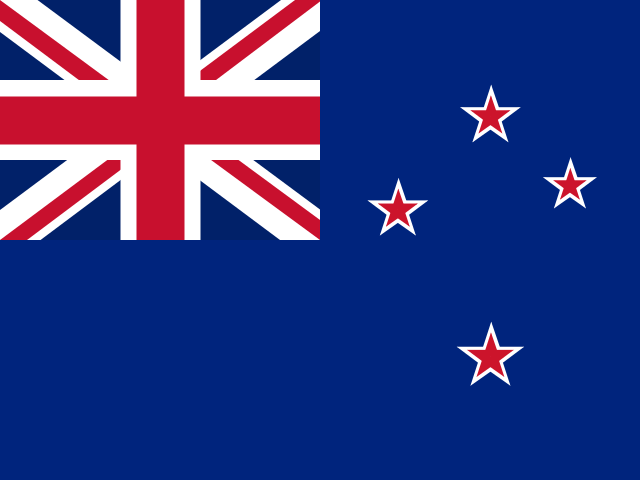 New Zealand
Required for short tourist and business trips.
 Japan &
 South Korea
Required, like other visa-free nations.
 Brazil,
 Mexico & others
Most visa-free Latin American countries are included.
You do not need ETIAS if you are an EU or Schengen citizen, if you hold a residence permit or long-stay visa from one of these countries, or if your nationality needs a Schengen visa anyway (for example, Nigeria, India or China). Visa holders apply for a visa as before.
ETIAS 2026 countries: where will it apply?
ETIAS will be needed for short trips to these 30 European countries:
 Austria ·
 Belgium ·
 Bulgaria ·
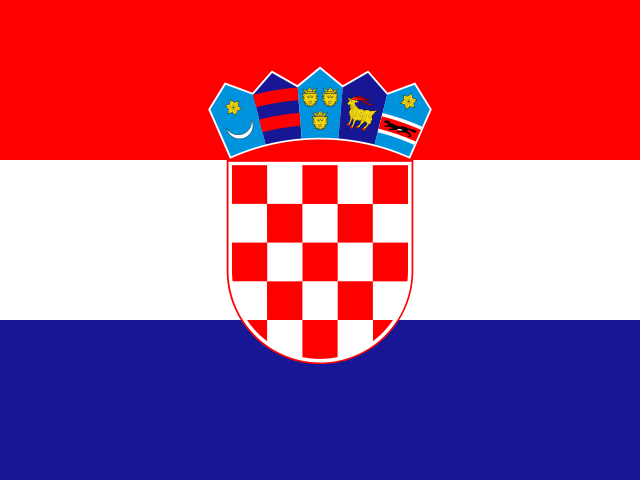 Croatia ·
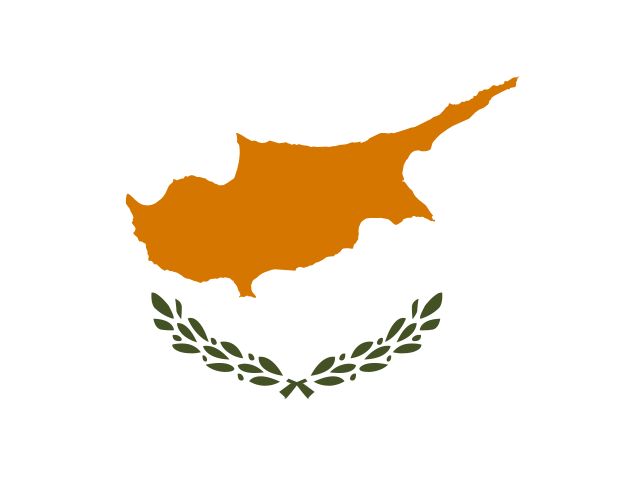 Cyprus ·
 Czechia ·
 Denmark ·
 Estonia ·
 Finland ·
 France ·
 Germany ·
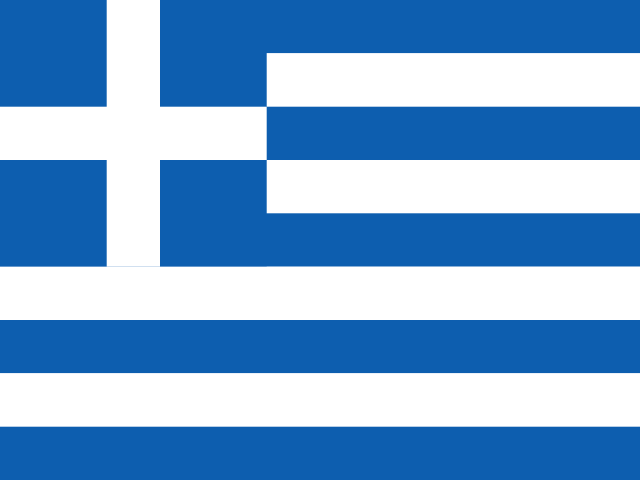 Greece ·
 Hungary ·
 Iceland ·
 Italy ·
 Latvia ·
 Liechtenstein ·
 Lithuania ·
 Luxembourg ·
 Malta ·
 Netherlands ·
 Norway ·
 Poland ·
 Portugal ·
 Romania ·
 Slovakia ·
 Slovenia ·
 Spain ·
 Sweden ·
 Switzerland
Not included: Ireland (it has its own rules), the United Kingdom, and non-EU countries such as Albania, Serbia, Montenegro and Turkey. Planning a route? See our travel guides to Czechia, Austria, Hungary, Slovenia and Estonia.
ETIAS 2026 cost, validity and processing time
| Question | Answer |
|---|---|
| How much will ETIAS cost? | €20 per person |
| Who pays nothing? | Applicants under 18 or over 70 |
| How long is it valid? | 3 years, or until your passport expires if sooner |
| How many trips? | Unlimited trips, up to 90 days in any 180-day period |
| How fast is approval? | Most within minutes; some up to 4 days, or up to 30 days if more information is requested |
| When should I apply? | After booking, ideally a few weeks before you travel |
One important detail: ETIAS is linked to your passport. If you get a new passport, you need a new ETIAS.
How to apply for ETIAS 2026 (once it opens)
- Go to the official site: the EU's Travel to Europe website (travel-europe.europa.eu) or the official ETIAS mobile app.
- Have your passport ready, plus an email address and a payment card.
- Answer the questions about your identity, education and job, your first planned country of entry, and some background questions about health risks, past travel to conflict zones and criminal records.
- Pay the €20 fee, unless you are under 18 or over 70.
- Wait for the email confirming your ETIAS. Keep a copy, although it is linked electronically to your passport.
A family member, travel agent or friend can apply for you, but the details must be yours.
Beware of fake ETIAS 2026 websites
Search for “ETIAS” today and you will find dozens of sites offering to “apply for you” for €60–€100 or more, even though ETIAS is not open yet. Some are simply expensive middlemen; others are scams that collect passport data. Protect yourself:
- Only use addresses ending in europa.eu or the official EU app.
- The official fee is €20. Anything higher is an agency fee.
- Ignore ads promising “fast-track” or “guaranteed” approval.
The same warning applies to the Seychelles Travel Authorisation, Colombia's free Check-Mig form and other online entry forms: always go to the government site.
The 90/180-day rule explained
Neither EES nor ETIAS changes how long you can stay: visa-free visitors can still spend up to 90 days in any 180-day period across the whole Schengen Area. What changes is the counting. With EES, every entry and exit is logged automatically, so overstaying, even by a day, is easier to detect and can lead to fines, entry bans or future refusals.
The rule is a rolling window: on any day you are in the Schengen Area, look back 180 days and count the days you spent there. That number must not exceed 90. Use the EU's official short-stay calculator, or our free travel tools, to plan longer trips.
ETIAS 2026 travel checklist for Europe
Issued in the last 10 years and valid 3+ months after you leave.
Check if it has launched before you book; apply only on europa.eu.
Allow longer at the border for your first EES registration.
Stay within 90 days in any 180.
Travel insurance is strongly recommended.
 Ireland & the UK
Have separate entry rules; the UK requires its own ETA.
Can’t decide? Read our full comparison: Seychelles vs Mauritius: which island should you choose?
❓ Frequently asked questions
Do I need ETIAS to travel to Europe now?
No. ETIAS is expected to start in the last quarter of 2026 and is not yet required. When it launches, there will be a transition period before it becomes mandatory.
How much does ETIAS 2026 cost?
The ETIAS 2026 fee is €20. Travellers under 18 or over 70 do not pay.
Is ETIAS a visa?
No. ETIAS is a travel authorisation for visa-exempt travellers, similar to the US ESTA. It does not guarantee entry.
Do UK citizens need ETIAS?
Yes. Once ETIAS is mandatory, British citizens will need it for short trips to the 30 participating European countries.
Do Americans need ETIAS?
Yes. US citizens will need ETIAS for short trips to the Schengen Area and Cyprus once it becomes mandatory.
What is the difference between EES and ETIAS?
EES records your fingerprints, photo and border crossings at the border. ETIAS is an online permission you get before travelling.
How long is ETIAS valid?
Three years, or until your passport expires, whichever comes first.
Does Ireland require ETIAS?
No. Ireland is not part of the Schengen Area and will not use ETIAS.
 Planning a Europe trip?
Explore our country guides with up-to-date entry rules, costs and itineraries.
Sources:
✈️ Planning this trip?
Compare hotel prices for your dates on Booking.com. Many rooms have free cancellation, so you can lock in a good price now.
📖 Keep reading

12 Best Places to Visit in 2027: Travel Destinations Worth Planning For
Discover 10 of the best places to visit in 2027, from Norway's spectacular fjords and Egypt's ancient wonders to Jaipur's literary festival, Chile's southern…

12 Best Christmas Towns in the USA for 2026: Markets, Lights and Dates
The best Christmas towns in the USA for 2026: New York, Leavenworth, Chicago's Christkindlmarket, and more, with dates and where to stay.

Travel Advisory Levels Explained: US, UK, Canada and Australia
Travel advisory levels explained: what levels 1 to 4 mean, how UK FCDO advice works, Canada and Australia compared, and how warnings affect your…