

🇸🇮 Travel Guide to Slovenia — The Green Heart of Europe
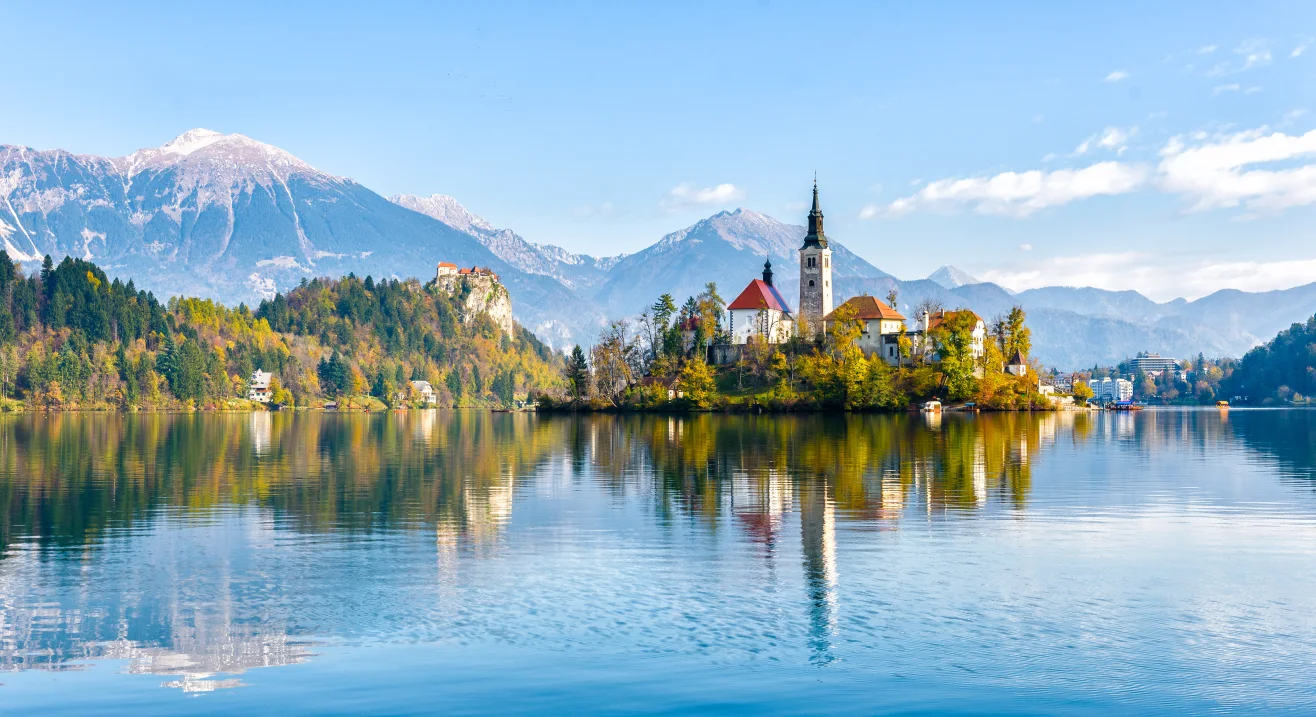
This comprehensive travel guide to Slovenia will help you discover a country of emerald lakes, fairytale castles, and vibrant cities. From the romantic shores of Lake Bled to the charming streets of Ljubljana, this travel guide to Slovenia covers everything you need to plan an unforgettable journey. As one of Europe's most sustainable and green destinations, Slovenia offers travellers a perfect blend of Alpine beauty, Mediterranean charm, and rich cultural heritage. Whether you're exploring the world‑famous Postojna Cave, hiking in Triglav National Park, or enjoying a glass of Teran wine in the coastal town of Piran, this travel guide to Slovenia is your essential companion.
⚠️ Important Travel Advisory: Slovenia is one of Europe's safest and most welcoming destinations. This travel guide to Slovenia provides practical advice for making the most of your visit to this enchanting country.
📢 AdSense Leaderboard #1 (728x90 or responsive)
📊 Quick Facts
- Capital: Ljubljana 💡 A charming city with a fairy‑tale castle and vibrant riverside cafes
- Currency: Euro (EUR) 💡 The official currency since 2007
- Language: Slovene 💡 English is widely spoken, especially among younger generations
- Population: 2.1 million (2026 est.)
- Area: 20,273 km²
- Time Zone: UTC +1 (CET) / +2 (CEST)
📅 Plan Your Perfect Trip with This Travel Guide to Slovenia
When planning your travel guide to Slovenia, the four seasons offer distinct and beautiful experiences. The best time to visit Slovenia is during the late spring (May–June) and early autumn (September–October) when the weather is pleasant and the tourist crowds are smaller. Summer (July–August) is warm and perfect for outdoor activities, with temperatures around 25–28°C. Winter (December–February) brings snow to the Alps, making it ideal for skiing in Kranjska Gora and Vogel, and enjoying the Christmas markets in Ljubljana. This travel guide to Slovenia will help you plan the perfect trip for every season.
Best for: Lake Bled, Ljubljana, and hiking — mild weather and blooming nature
Best for: Mountain hiking, rafting, and the Soca River — warm and lively
Best for: Golden foliage, wine tasting, and fewer crowds — comfortable temperatures
Best for: Skiing in the Alps, Christmas markets, and snow‑covered landscapes
📢 AdSense Leaderboard #2 (728x90 or responsive)
🛂 Visa Information for Your Travel Guide to Slovenia
Schengen Visa: Slovenia is part of the Schengen Area. Citizens of 60+ countries can enter without a visa for stays up to 90 days. These include the UK, US, Canada, Australia, New Zealand, Japan, South Korea, Singapore, and most European nations. Others require a Schengen visa — apply at a Slovenian embassy or consulate before travel. For a complete travel guide to Slovenia, verify your requirements before booking.
🌍 Schengen Visa‑Free Countries (Select List)
📋 Other Visa Types
- Short‑Stay Schengen Visa (Type C) For tourism or business — valid for up to 90 days within 180 days
- National Visa (Type D) For long‑term stays — for study, work, or residence
🔗 Official Resource: Government of Slovenia — Visa Information
📚 Trusted Resources for Your Travel Guide to Slovenia
- UNESCO World Heritage Sites Includes the Škocjan Caves and the Heritage of Mercury
- Slovenia.info — Official Tourism Official tourism board of Slovenia
- Lonely Planet – Slovenia Travel information and attractions
💡 Key Travel Tips for Your Slovenia Adventure
Slovenia uses the Euro (EUR) — credit cards are widely accepted; ATMs are available everywhere
Try štruklji (rolled dumplings), kranjska klobasa (Carniolan sausage), potica (nut roll), and Carniolan honey
Slovenia is small and easy to explore by car; a vignette is required for highways. Trains and buses are reliable and affordable
Slovenia is a pioneer in sustainable tourism — use eco‑friendly accommodation and support local producers
Learn a few Slovene words — locals appreciate the effort. "Hvala" means thank you, "Dober dan" is hello
🏙️ Top Cities and Destinations to Visit in Slovenia
The charming capital — Ljubljana Castle, Triple Bridge, Prešeren Square, and the Ljubljanica River
💡 Best time: May–OctThe fairytale lake — Bled Island with its church, Bled Castle, and the traditional pletna boat ride
💡 Best time: May–OctThe world‑famous karst cave — the only cave with a train inside, and the dragon (olms) live there
💡 Best time: Year‑roundThe only national park in Slovenia — the Julian Alps, Mount Triglav, and the stunning Soca River
💡 Best time: Jun–SepThe coastal jewel — Venetian architecture, Tartini Square, and stunning views of the Adriatic
💡 Best time: May–SepA UNESCO World Heritage site — one of the largest underground river canyons in the world
💡 Best time: Year‑roundThe second‑largest city — the world's oldest vine, the Old Town, and the Drava River
💡 Best time: May–OctThe dramatic Renaissance castle built into a cave mouth — one of the world's most unique castles
💡 Best time: Year‑round📢 AdSense Leaderboard #3 (728x90 or responsive)
🏨 Top Hotels in Slovenia
Slovenia offers a wide range of accommodation, from luxury hotels to family‑run guesthouses and eco‑lodges. Book in advance during the summer and winter seasons.
Prices range from €50–400+ per night. Book early during summer and winter seasons.
🎓 Top Universities in Slovenia
Ljubljana
Visit Website → 🏆 The oldest and largest university in Slovenia (founded 1919)Nova Gorica
Visit Website → 📚 #4 — known for environmental and material sciences🌺 Culture & Cuisine in Slovenia
Slovenian culture is a rich tapestry of Alpine, Mediterranean, and Central European influences, shaped by its position at the crossroads of these regions. The country is home to a vibrant folk tradition, with music, dance, and embroidery varying by region. Slovenia has produced notable literary figures, including the poet France Prešeren, whose work is celebrated on Slovenia's national holiday. The nation is also famous for its beekeeping tradition — Slovenia is the only country that protects its native Carniolan honey bee by law. Key cultural events include the Ljubljana Summer Festival, the Maribor Festival, and the Piran Music Evenings.
Slovenian cuisine is diverse, reflecting the country's varied geography. Alpine dishes include štruklji (rolled dumplings) and kranjska klobasa (Carniolan sausage). The coastal region offers Mediterranean‑style seafood, fresh fish, and olive oil. The national dessert is potica, a rolled pastry filled with walnuts, tarragon, or honey. Slovenia also produces excellent wines — the Teran and Rebula varietals are particularly well‑regarded. The country is also famous for its honey, which is a protected designation of origin. Fresh ingredients, local produce, and sustainability are central to Slovenian culinary philosophy.
Slovenia is one of Europe's safest and most environmentally conscious countries. The people are known for their friendliness and hospitality. Tipping is not obligatory but is appreciated — rounding up the bill is a common practice. Dress codes are generally casual. The country is a pioneer in sustainable tourism, and visitors are encouraged to respect nature and support local businesses.
🇸🇮 Ready to explore Slovenia?
Start planning your green adventure with our expert guides and resources.
Read Our Full Travel Guide →This travel guide to Slovenia is your ultimate resource for planning an unforgettable trip to the Green Heart of Europe. Start your adventure today with our expert tips, insider recommendations, and practical advice.