
National parks are nature’s greatest treasures, preserving the world’s most spectacular landscapes. From Yellowstone’s geothermal geysers to Patagonia’s dramatic fjords, these protected areas offer unforgettable experiences for adventurists and conservation lovers.
Why Visit National Parks?
Top 15 Must-Visit National Parks

1. Yellowstone National Park (USA) 8,983 km²
Established in 1872 as the world’s first national park, Yellowstone sits atop a volcanic hotspot. It contains half of the world’s active geothermal features, including Old Faithful Geyser and Grand Prismatic Spring, alongside free-roaming bison herds and grizzly bears.

2. Banff National Park (Canada) 6,641 km²
Canada’s oldest national park encompasses the breathtaking jagged peaks of the Canadian Rockies. Famous for the vivid turquoise waters of Lake Louise and Moraine Lake fed by glacier silt, Banff offers world-class alpine hiking and winter skiing.

3. Torres del Paine (Chile) 1,814 km²
Renowned as one of South America’s premier wilderness destinations, Torres del Paine features three granite spires rising above alpine lakes, icebergs breaking off Grey Glacier, and golden pampas roamed by wild guanacos.
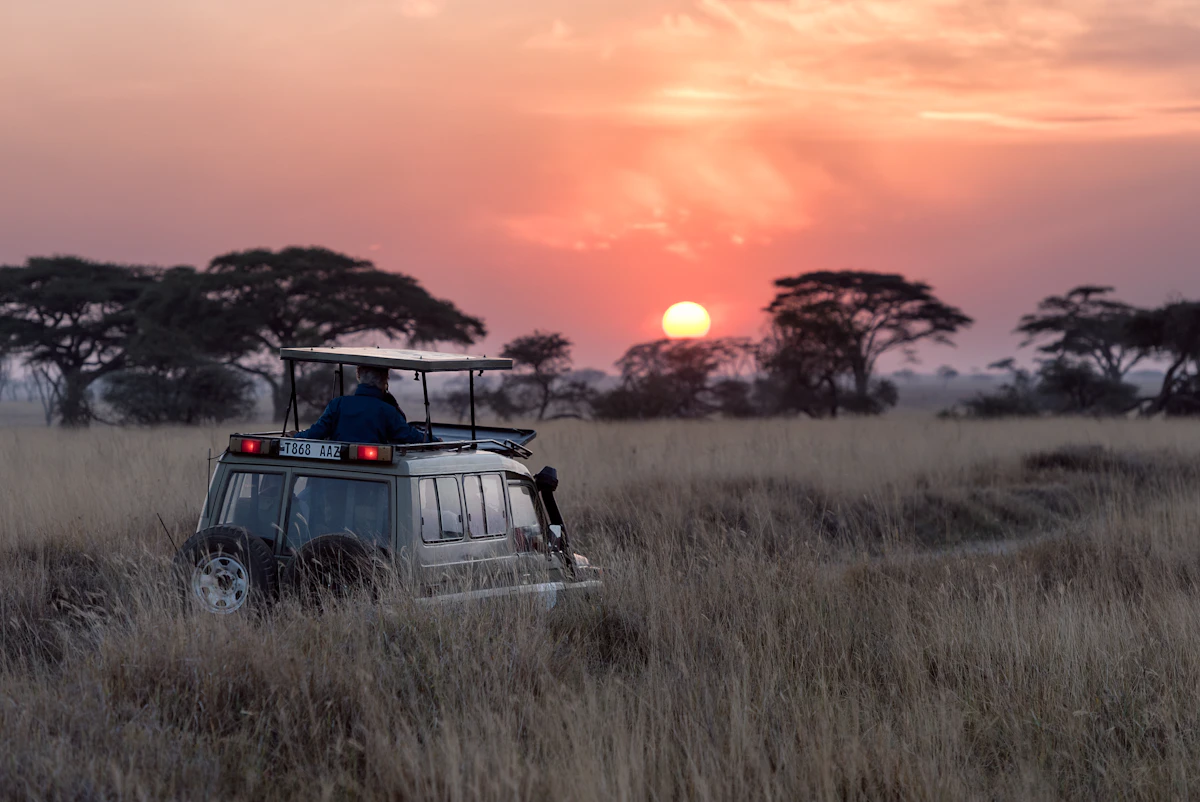
4. Kruger National Park (South Africa) 19,485 km²
One of Africa’s largest game reserves, Kruger provides an unparalleled wildlife safari experience. It shelters high densities of the “Big Five” (lion, leopard, elephant, rhino, and buffalo) alongside hundreds of bird species and bushveld camps.
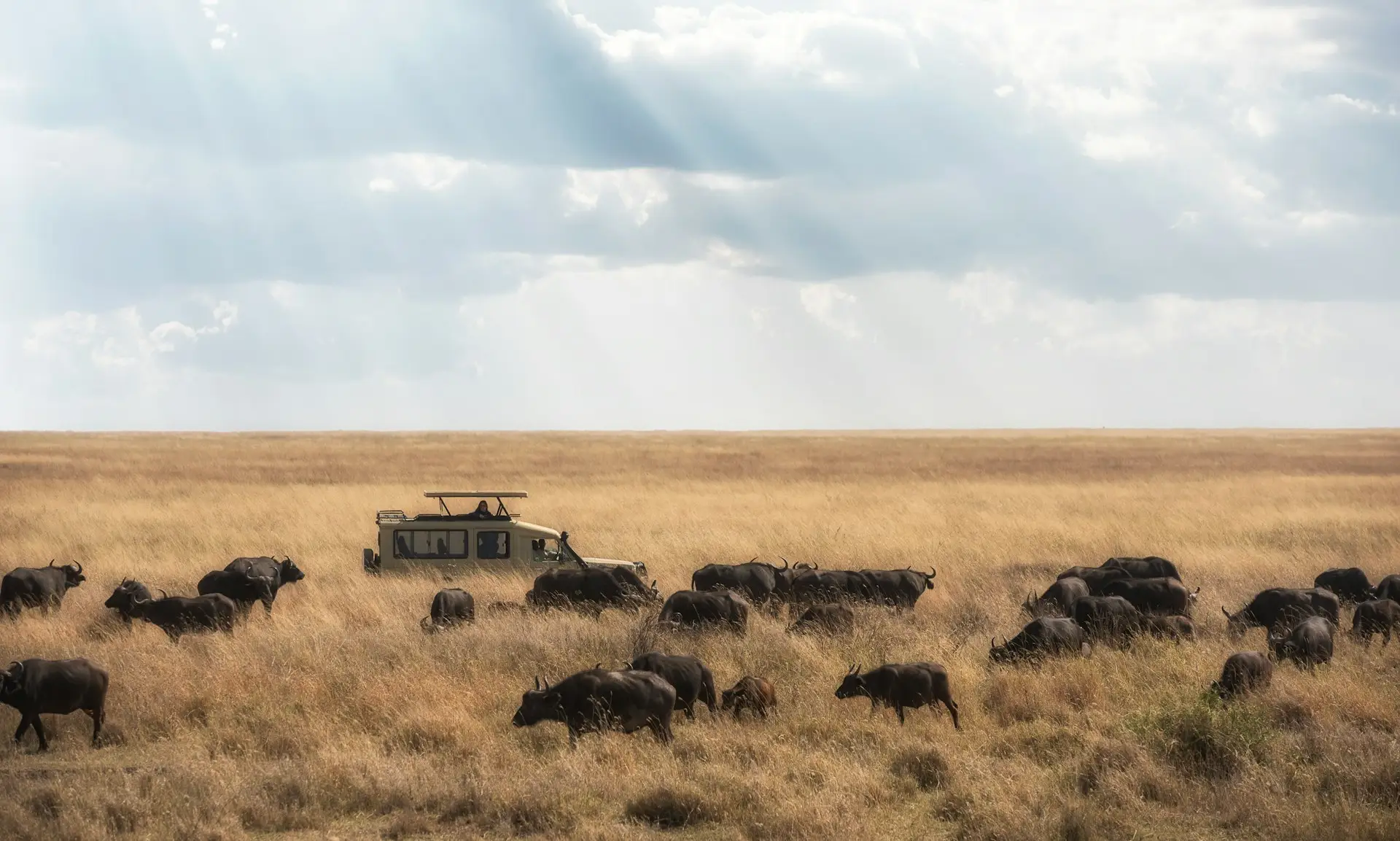
5. Serengeti National Park (Tanzania) 14,763 km²
Famous worldwide for hosting the annual Great Migration, where over 1.5 million wildebeest and zebra traverse endless grasslands pursued by predators. The Serengeti represents one of the oldest and most intact ecosystems on Earth.
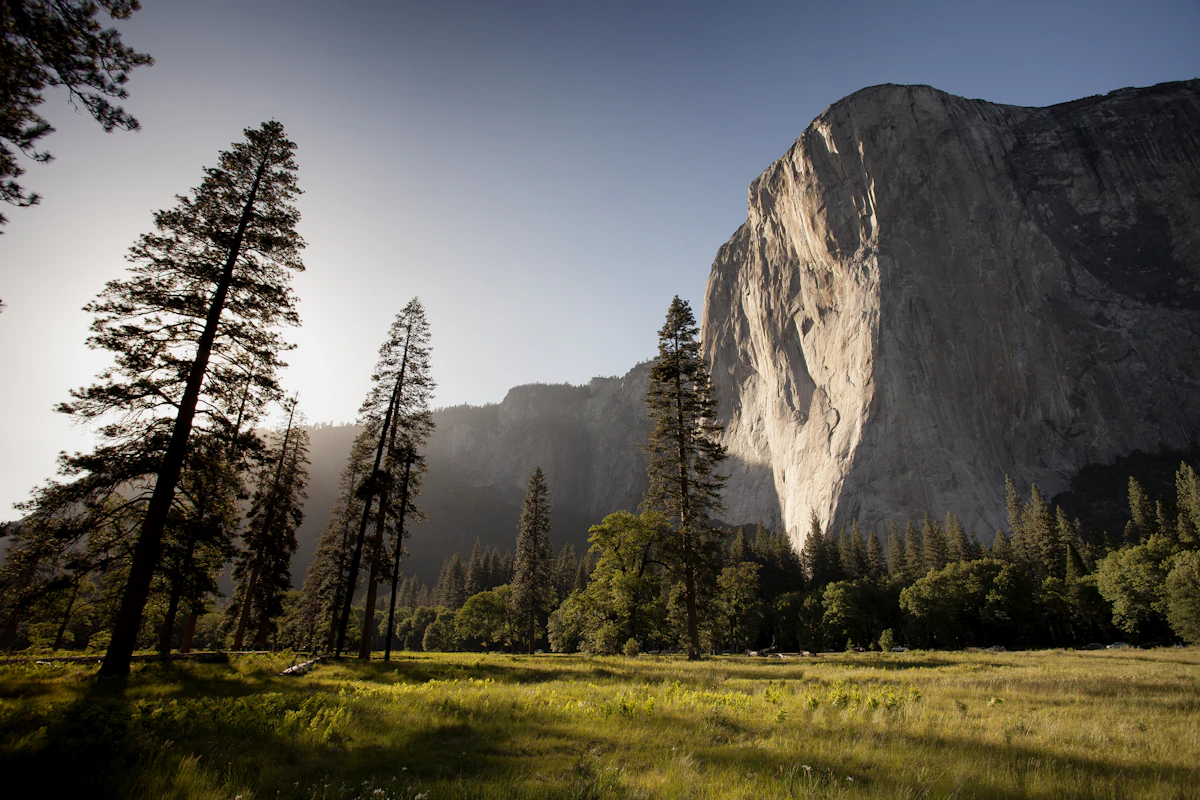
6. Yosemite National Park (USA) 3,081 km²
Nested in California’s Sierra Nevada mountains, Yosemite is globally famed for its towering granite monoliths El Capitan and Half Dome, cascading waterfalls like Yosemite Falls, and ancient groves of giant sequoia trees.

7. Fiordland National Park (New Zealand) 12,607 km²
Covering the southwestern corner of New Zealand’s South Island, Fiordland encompasses dramatic carved fjords like Milford Sound and Doubtful Sound, dense temperate rainforests, and towering sheer rock faces with plunging waterfalls.
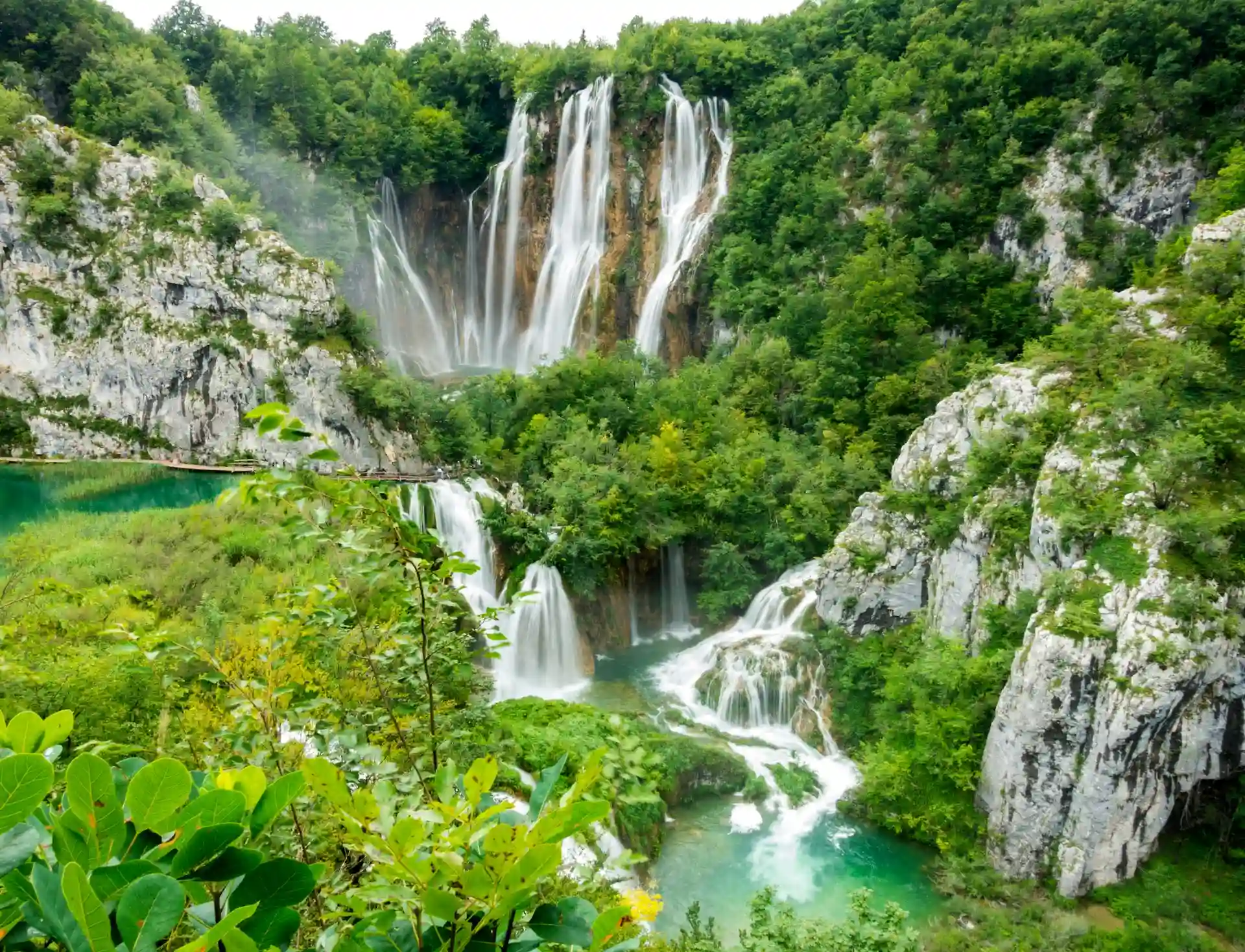
8. Plitvice Lakes National Park (Croatia) 296 km²
Croatia’s oldest national park features 16 terraced lakes joined by a series of cascading waterfalls and limestone canyons. Wooden boardwalks wind directly over crystal-clear emerald and azure waters through lush woodland.

9. Grand Canyon National Park (USA) 4,926 km²
Carved over millions of years by the Colorado River, the Grand Canyon stretches 277 miles long and over a mile deep. Its layered bands of red rock reveal billions of years of geological history under radiant desert sunsets.
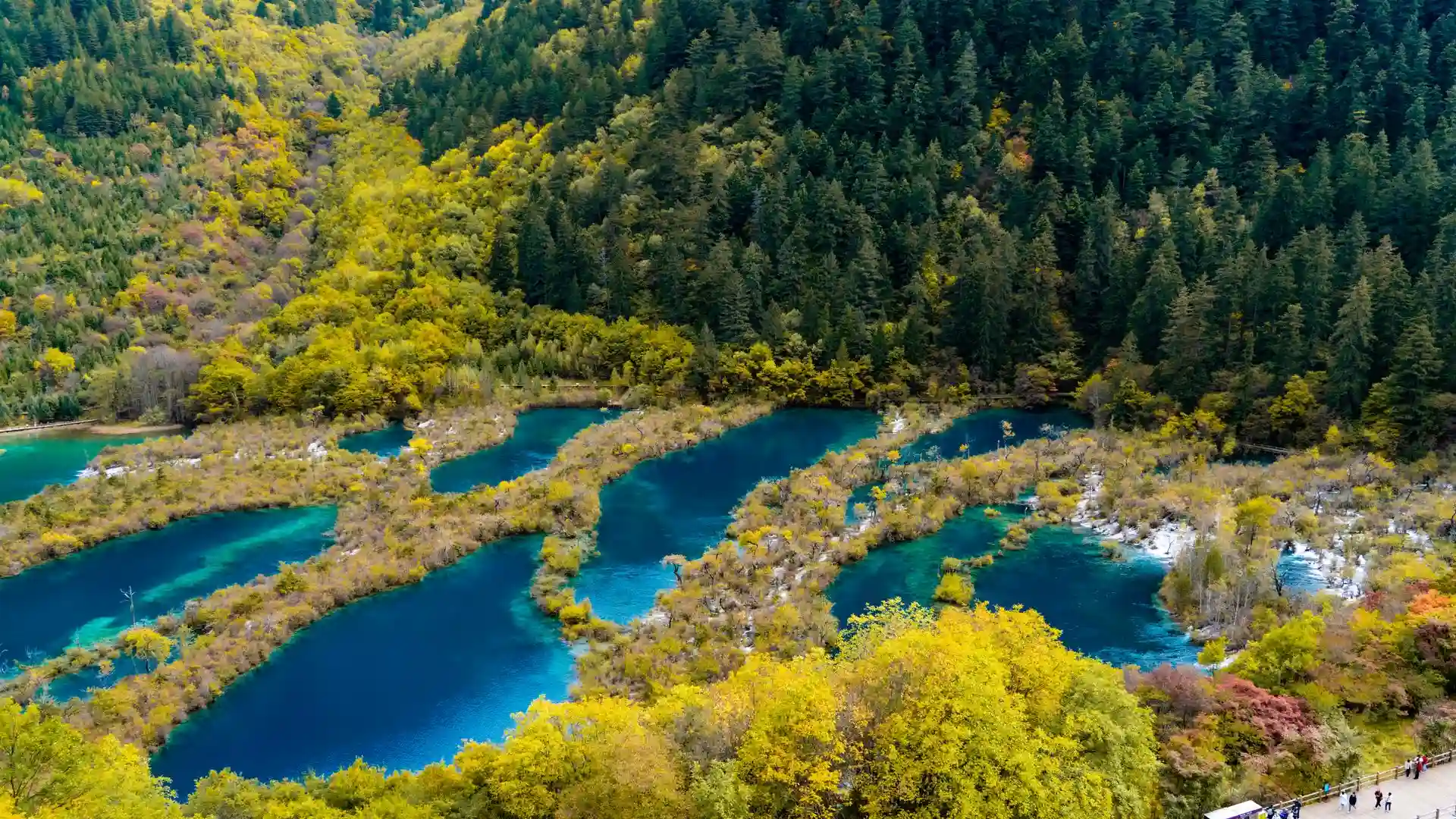
10. Jiuzhaigou Valley (China) 720 km²
Located at the edge of the Tibetan Plateau, Jiuzhaigou (“Nine Village Valley”) is famed for its multi-tiered colorful turquoise lakes, snow-capped peaks, and dramatic autumn foliage reflecting off glass-like water.

11. Fuji-Hakone-Izu (Japan) 1,227 km²
Japan’s most visited national park surrounds iconic Mount Fuji. It encompasses natural volcanic hot springs (onsen), the Five Fuji Lakes, geothermal valleys in Hakone, and lush volcanic coastlines along the Izu Peninsula.
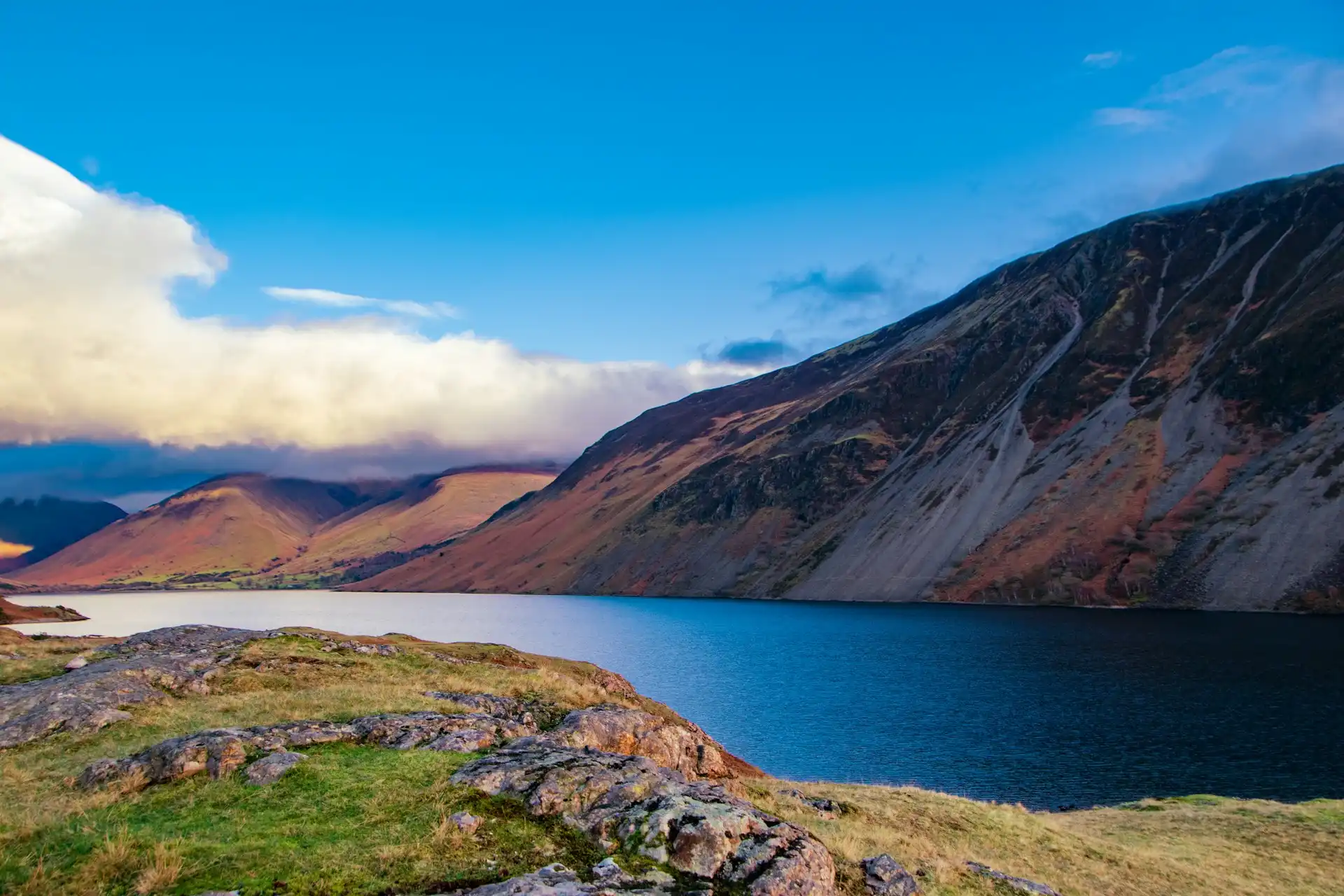
12. Lake District National Park (UK) 2,362 km²
England’s premier national park is celebrated for its picturesque lakes, rugged fell mountains, and literary connections to Beatrix Potter and William Wordsworth. Scafell Pike, England’s highest peak, sits at its heart.
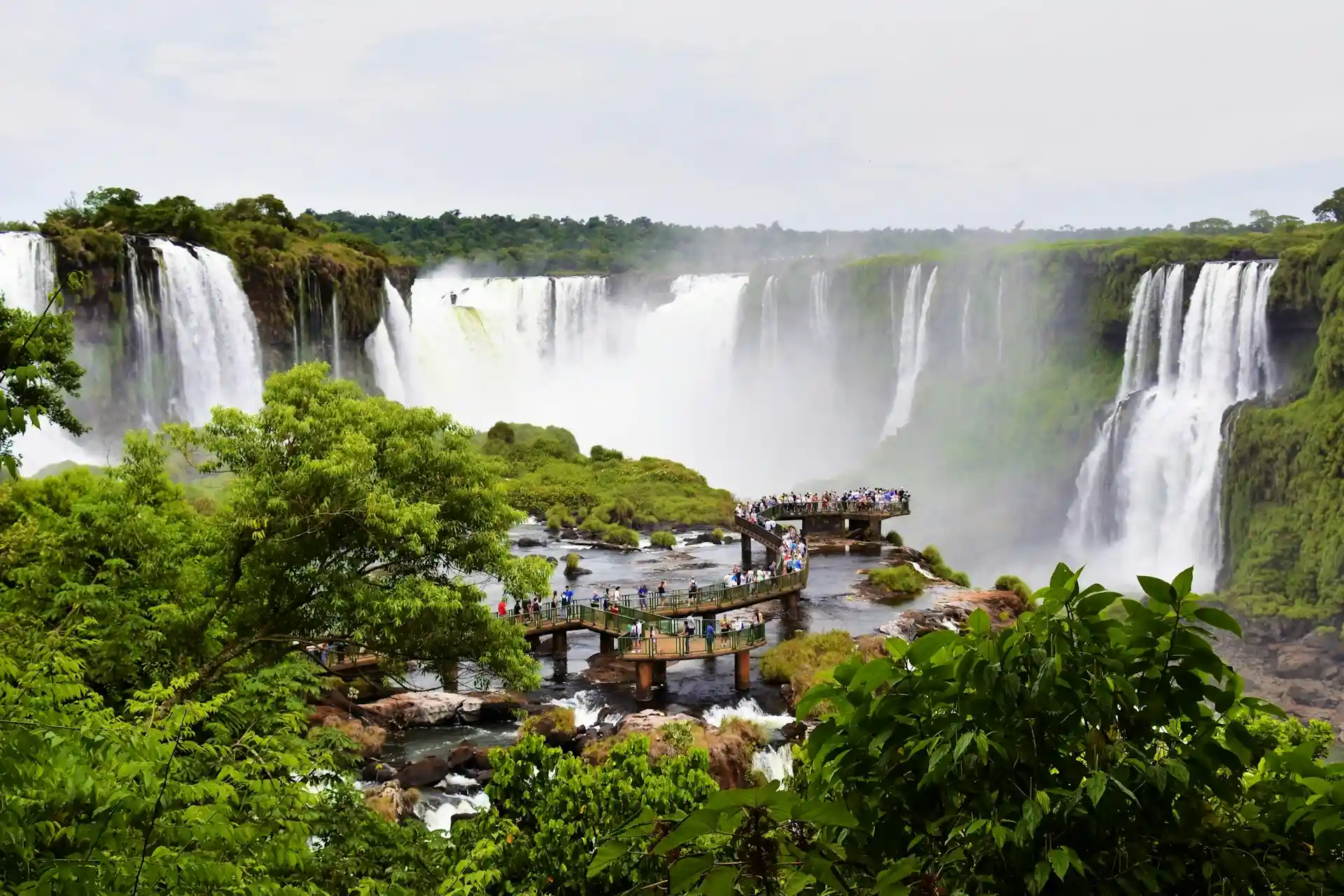
13. Iguazú National Park (Argentina / Brazil) 677 km²
Protecting one of the world’s greatest natural wonders, Iguazú contains over 275 individual waterfall cascades spanning nearly 2.7 kilometers. Surrounded by subtropical rainforest, it hosts colorful toucans, butterflies, and coatis.
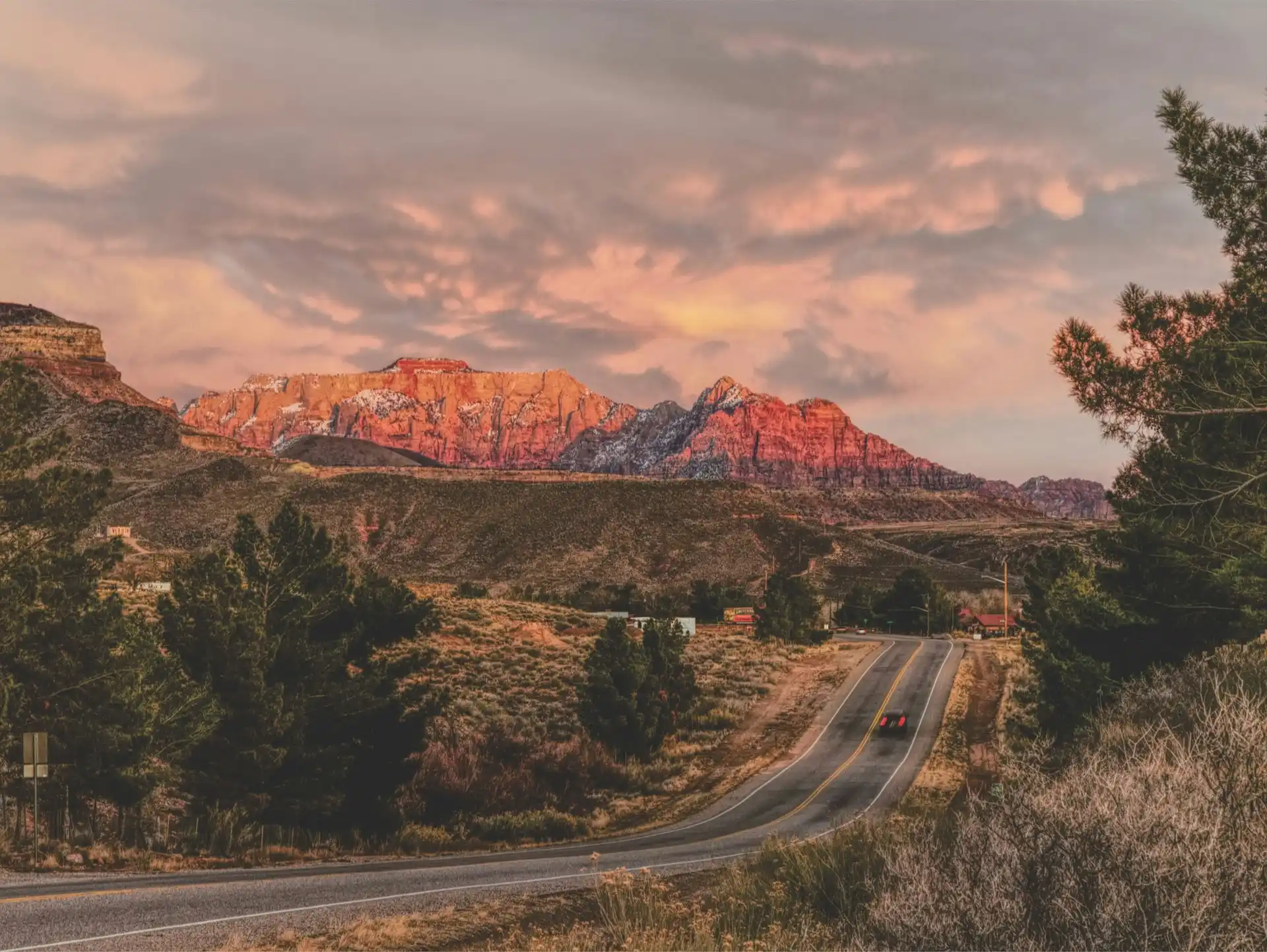
14. Zion National Park (USA) 590 km²
Utah’s first national park features massive cream, pink, and red Navajo sandstone cliffs carved by the Virgin River. Adventurers flock to tackle thrill-inducing ridge climbs like Angels Landing and wade through canyon rivers in The Narrows.

15. Galápagos National Park (Ecuador) 7,995 km²
Encompassing 97% of the Galápagos archipelago, this isolated volcanic park inspired Charles Darwin’s theory of evolution. Visitors encounter fearless endemic wildlife including giant tortoises, marine iguanas, and blue-footed boobies.
🛡️ Essential National Park Tourist & Hiker Guidance Advice
- Practice Leave No Trace (LNT): Pack out all trash, stay strictly on designated trails, and never remove natural objects or rocks.
- Respect Wildlife Distance: Stay at least 25 yards away from large mammals (bison, elk) and 100 yards away from predators (bears, wolves).
- Reserve Timed-Entry Passes Early: Popular parks like Yellowstone, Yosemite, and Zion require advance entry permits during peak seasons.
- Carry Bear Spray & Safety Gear: When hiking in bear country, keep bear spray easily accessible on your chest or hip belt.
- Prepare for No Cell Service: Download offline maps (AllTrails, Google Maps) before entering park boundaries as signal is often lost.