10 Longest Rivers in the World: Lengths, Volumes, Countries & Global Impact
Earth’s Major Lifelines & Hydrology
10 Longest Rivers in the World
Rivers are the arteries of our planet — flowing through civilizations, nourishing ecosystems, and carving the very landscape of Earth. Discover the world’s longest waterways, their discharge volumes, and their profound impact on human history.
209,000 m³/s
Amazon Discharge
6,300 km
Yangtze River (#3)
6,275 km
Mississippi-Missouri
11 Countries
Nile Basin Span
Advertisement
[Google AdSense Leaderboard Banner — 970×90 / Responsive]
💡 Did You Know? Hydrological Trivia
The Amazon River carries so much fresh water that it accounts for roughly 20% of the total river flow into the ocean worldwide. Its freshwater plume extends over 100 miles out into the Atlantic Ocean, noticeably lowering sea salinity and turning the ocean water fresh for sailors long before land is even visible on the horizon!
🌊 Top 10 Longest Rivers Profiled

📍 Nile River — Flowing through Northeastern Africa into the Mediterranean Sea
11 Countries
Nations Spanned
2,830 m³/s
Discharge Volume
Mediterranean
Outflow Sea
White & Blue
Main Branches
Geographic & Historical Significance
Officially recognized as the world’s longest river. The Nile flows northward through 11 African countries—including Egypt, Sudan, Uganda, and Ethiopia. Ancient Egyptian civilization flourished along its fertile floodplain for over 3,000 years.
Ecosystem & Agriculture
Annual historical flooding deposited rich silt along its banks, creating an agricultural surplus that built the pyramids. Today, the Aswan High Dam regulates water flow, supporting domestic crop production and hydroelectricity for millions.
📊 External Source: Wikipedia Nile River Profile →
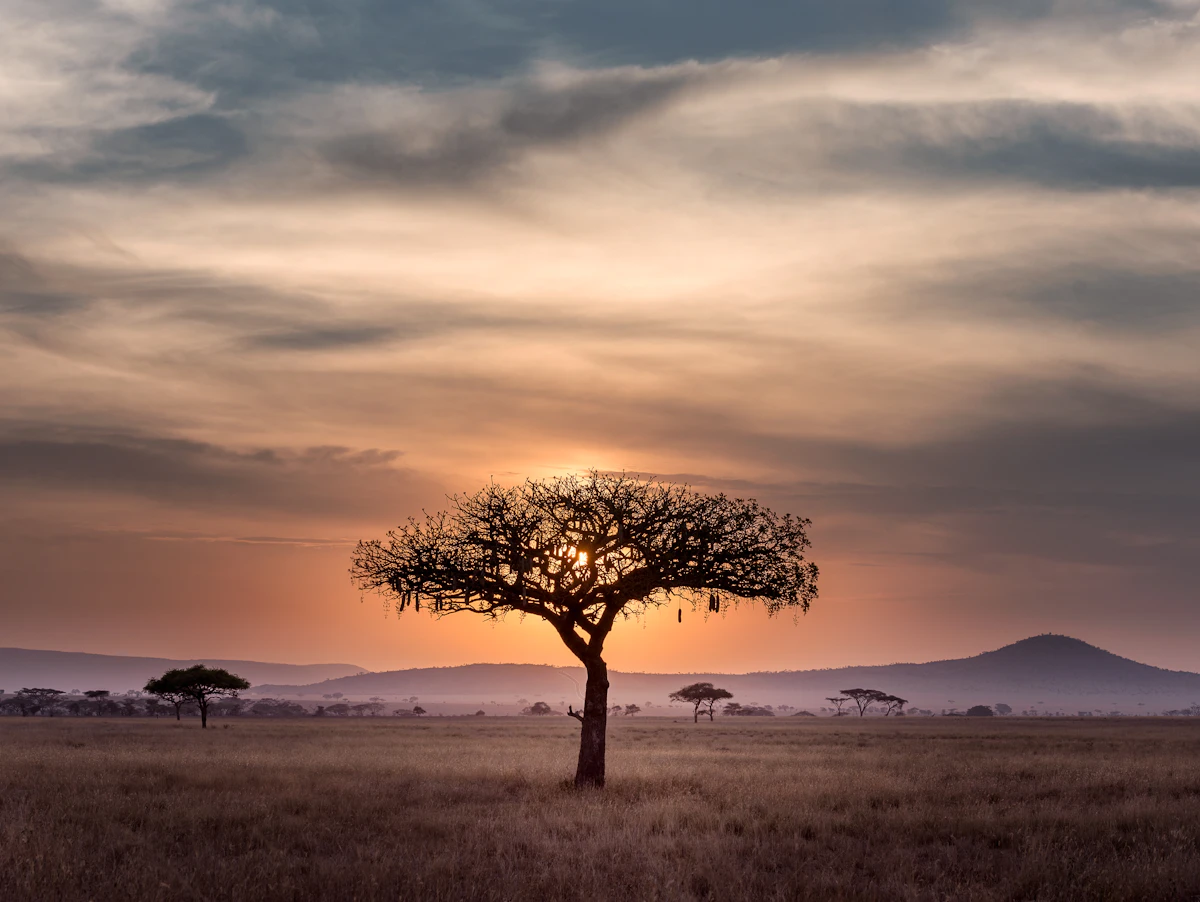
📍 Amazon River — Slicing through the South American Rainforest into the Atlantic Ocean
9 Countries
Nations Spanned
209,000 m³/s
Discharge Volume
Geographic & Hydrological Power
The world’s largest river by volume, discharging more water than the next seven largest rivers combined. Originating high in the Peruvian Andes, it winds eastward through Brazil to empty into the Atlantic Ocean.
Biodiversity & Rainforest Lifeline
Nourishes the world’s largest tropical rainforest, hosting over 1 in 10 known species on Earth, thousands of fish species, and indigenous communities whose ways of life depend on its seasonal water cycles.
📊 External Source: Britannica Amazon River Brief →
Advertisement
[Google AdSense Leaderboard Banner — Mid-Content]

📍 Yangtze River — Winding from the Tibetan Plateau to the East China Sea
30,160 m³/s
Discharge Volume
East China Sea
Outflow Sea
Geographic & Economic Backbone
Asia’s longest river and the third-longest in the world, flowing entirely within China from the Tibetan Plateau to Shanghai. It supports over 400 million residents and generates one-third of China’s agricultural and economic GDP.
Clean Energy & Infrastructure
Home to the Three Gorges Dam, the world’s largest hydroelectric power facility by installed capacity (22,500 MW), regulating flooding while providing renewable electricity to urban manufacturing centers.
📊 External Source: Wikipedia Yangtze River Profile →

📍 Mississippi-Missouri River System — Navigable spine of the United States
USA / Canada
Nations Spanned
16,792 m³/s
Discharge Volume
Gulf of Mexico
Outflow Gulf
31 States
US States Drained
Geographic & Cultural Legacy
The primary river system of North America, stretching across 31 US states and 2 Canadian provinces. It served as a historical trade superhighway for Native American nations and modern industrial shipping.
Agriculture & Shipping Hub
Carries over 500 million tons of freight annually, transporting agricultural grain, coal, and manufacturing goods from the American Midwest to global export markets via New Orleans.
📊 External Source: Britannica Mississippi River Brief →

📍 Yenisei River — Cutting through Siberia into the Arctic Ocean
Russia / Mongolia
Nations Spanned
19,600 m³/s
Discharge Volume
Kara Sea (Arctic)
Outflow Sea
Lake Baikal
Key Lake Origin
Geographic & Arctic Influence
The largest river system discharging into the Arctic Ocean. Starting in Mongolia and traversing Central Siberia, it forms the traditional geographic border dividing the West Siberian Plain from the Central Siberian Plateau.
Wilderness & Hydropower
Powers giant Siberian hydroelectric stations like the Sayano-Shushenskaya dam while cutting through wilderness areas inhabited by reindeer, Siberian tigers, and rich taiga ecosystems.
📊 External Source: Wikipedia Yenisei River Details →
📍 Yellow River (Huang He) — The Cradle of Chinese Civilization
2,571 m³/s
Discharge Volume
Geographic & Historical Significance
Revered as the “Cradle of Chinese Civilization,” northern Chinese culture was born along its basin. The river gets its iconic yellow color from massive quantities of loose windblown loess soil carried downstream.
Siltation & Water Management
Carries the highest sediment load of any major river on Earth. Silt buildup historically raised the riverbed above surrounding plains, earning it the nickname “China’s Sorrow” due to catastrophic historical floods.
📊 External Source: Britannica Yellow River Profile →

📍 Ob-Irtysh System — Sweeping across Western Siberia into the Gulf of Ob
4 Countries
Nations Spanned
12,475 m³/s
Discharge Volume
Geographic & Asian Wilderness
Formed in the Altai Mountains, the Ob-Irtysh system drains the West Siberian Plain. Its estuary, the Gulf of Ob, is the longest estuary in the world, stretching over 1,000 kilometers before reaching the Arctic.
Resource Corridor
Key waterway for transporting regional oil, natural gas, timber, and grain across Russia and Central Asia during ice-free summer months.
📊 External Source: Wikipedia Ob River Brief →
📍 Paraná River — Winding through South America to the Río de la Plata
5 Countries
Nations Spanned
18,000 m³/s
Discharge Volume
Río de la Plata
Outflow Estuary
Geographic & Regional Trade
The second-longest river in South America after the Amazon. Flowing through Brazil, Paraguay, and Argentina, it provides an inland trade network for South America’s Southern Cone.
Hydroelectric Giant
Hosts the massive Itaipu Dam (shared between Brazil and Paraguay), which generates significant green hydroelectric power for both countries.
📊 External Source: Britannica Paraná River Overview →
📍 Congo River — Draining the African Equatorial Rainforest
9 Countries
Nations Spanned
41,000 m³/s
Discharge Volume
2x Equator
Unique Feature
Geographic & Hydrological Record
The world’s deepest river (measured at depths over 220 meters) and the second largest by discharge volume. It is the only major river on Earth that crosses the Equator twice.
Equatorial Biodiversity
Flows through the Congo Rainforest—the world’s second-largest tropical rainforest—supporting diverse wildlife including gorillas, bonobos, and hundreds of endemic fish species.
📊 External Source: Wikipedia Congo River Details →
📍 Amur River (Heilong Jiang) — Bordering Russia and Northeast China
3 Countries
Nations Spanned
11,400 m³/s
Discharge Volume
Sea of Okhotsk
Outflow Sea
Geographic & Border Significance
Forms the natural border between Far East Russia and Northeastern China (Manchuria). Known in China as
Heilong Jiang (“Black Dragon River”).
Ecosystem & Wildlife
Supports rich taiga and wetland habitats, serving as a critical refuge for the endangered Kaluga sturgeon and the Siberian tiger.
📊 External Source: Britannica Amur River Overview →
📜 Rivers in Human History & Environmental Protection
Civilizations were born along the banks of the world’s longest rivers — from the Tigris and Euphrates in Mesopotamia to the Yellow River in China, the Indus in South Asia, and the Nile in Egypt. These waterways enabled early agriculture, trade networks, and cultural exchange. Today, major rivers provide freshwater, irrigation, and trade routes essential to over 80% of the world’s population. As climate change, dams, and industrial pollution impact river ecosystems, sustainable watershed management remains vital for global water security.
Advertisement
[Google AdSense Leaderboard Banner — Bottom]
❓ Frequently Asked Questions
1. Which is officially the longest river in the world?
The Nile River in Africa is officially recognized as the world’s longest river, spanning approximately 6,650 kilometers (4,132 miles) through 11 countries.
2. Which river is the largest in the world by water volume?
The Amazon River is the largest river in the world by discharge volume, carrying approximately 209,000 cubic meters of water per second into the Atlantic Ocean—more than the next seven largest rivers combined.
3. Which is the longest river located entirely within a single country?
The Yangtze River in China is the longest river in Asia and the third-longest in the world, stretching 6,300 kilometers entirely within China.
4. What major dam operates on the Yangtze River?
The Three Gorges Dam operates on the Yangtze River in Hubei province, China. It is the world’s largest power station by installed capacity (22,500 MW).
5. How do rivers impact global humanity today?
Rivers supply fresh water, irrigation, renewable hydroelectricity, and trade routes essential to over 80% of the world’s population, while supporting primary freshwater biodiversity.
🌍 Explore Global Ranking Hubs
Navigate directly to our other comprehensive socio-economic, geographic, and demographic guides.