
UNESCO World Heritage Sites represent humanity’s most cherished cultural and natural treasures. Established under the 1972 World Heritage Convention, this international initiative safeguards places of outstanding universal value across 170 countries. From ancient architectural marvels to pristine ecosystems, these protected zones preserve our collective history for generations to come.

0 Total World Sites
0 Cultural Sites
0 Natural Wonders
0 Mixed Properties

Geographic Distribution: Europe & North America (580 sites / 46.5%), Asia & the Pacific (306 sites / 24.5%), Latin America & Caribbean (153 sites / 12.3%), Africa (112 sites / 9.0%), and Arab States (97 sites / 7.8%).

Why Visit UNESCO World Heritage Sites?

📜 Rich History Step into legendary civilizations and marvels of outstanding universal cultural importance.
🌍 Cultural Diversity Experience living traditions, indigenous practices, and diverse global expressions.
🏛️ Architectural Marvels Inspect ancient engineering feats, grand cathedrals, sacred temples, and historic citadels.
🎓 Educational Value Gain deep insights into natural geology, human achievement, and global conservation.

Top 20 UNESCO World Heritage Sites

Machu Picchu Peru Incan Citadel
Click 2X to zoom image & Pan.
📍 Cusco Region, Peru • Mixed Cultural & Natural Site

1. Machu Picchu (Peru) Inscribed 1983

Perched 2,430 meters above sea level on a tropical mountain ridge, this 15th-century Inca citadel is an engineering marvel. Surrounded by cloud forests and dramatic Andean peaks, its dry-stone masonry walls seamlessly integrate with nature.
Why Visit: Hike the famous Inca Trail, explore Intihuatana stone, and take in panoramic views of the Urubamba River valley.
Best Time to Visit: May to October (Dry Season) for clear mountain views and safer trail trekking.
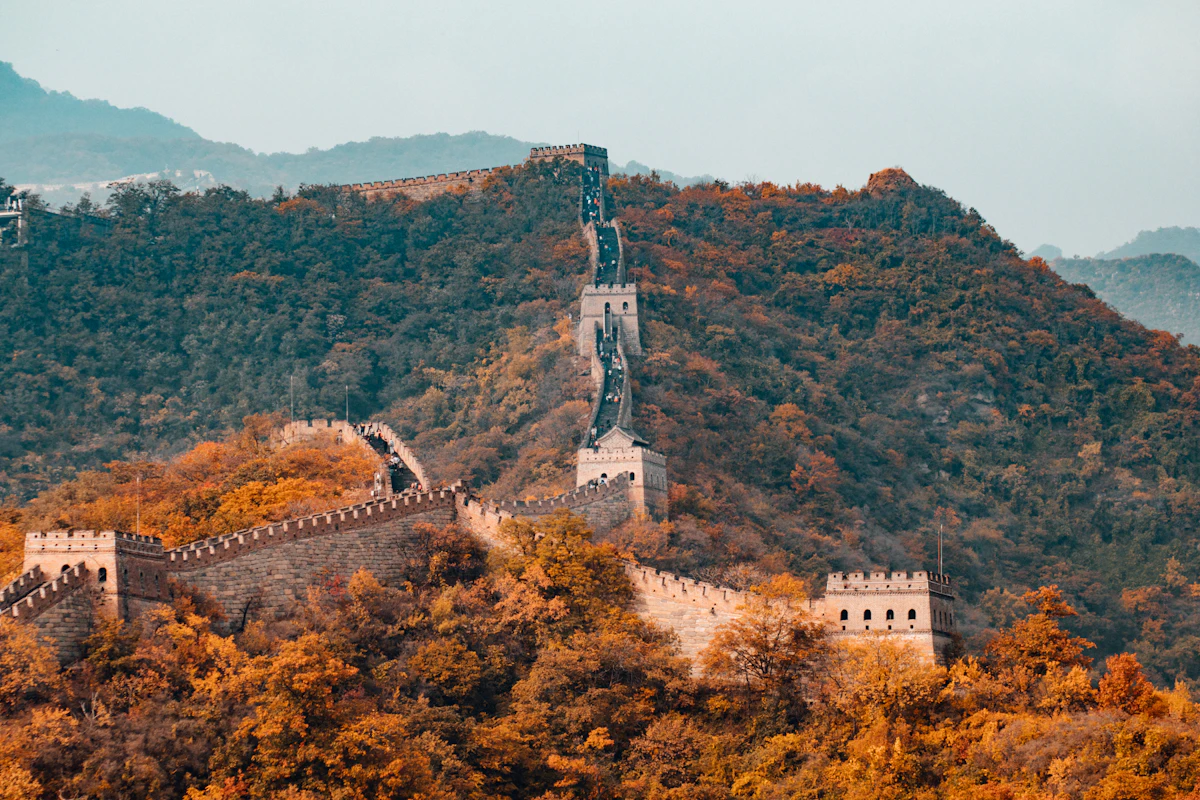
Great Wall of China Beijing
Click 2X to zoom image & Pan.
📍 Northern China • Cultural Heritage Landmark

2. Great Wall of China (China) Inscribed 1987

Stretching over 21,000 kilometers across rugged mountains and high deserts, the Great Wall was built continuously from the 3rd century BC to the Ming Dynasty. It stands as the world’s largest military defense structure.

Why Visit: Walk historical watchtowers at Mutianyu or Jinshanling, and witness ancient defensive engineering.
Best Time to Visit: September to November (Autumn) for comfortable hiking weather and crisp clear skies.
Pyramids of Giza Egypt Sphinx
Click 2X to zoom image & Pan.
📍 Giza Plateau, Egypt • Memphis and its Necropolis

3. Pyramids of Giza & Sphinx (Egypt) Inscribed 1979

The last remaining wonder of the Ancient World, the Pyramids of Giza have stood for over 4,500 years. Built as grand royal tombs for Pharaohs Khufu, Khafre, and Menkaure, they are guarded by the monumental Great Sphinx.

Why Visit: Step inside ancient burial chambers, view the Solar Boat Museum, and ride camels across the desert dunes.
Best Time to Visit: October to April for cooler desert temperatures.
Colosseum Rome Italy
Click 2X to zoom image & Pan.
📍 Rome, Italy • Historic Centre of Rome

4. Colosseum & Historic Centre of Rome (Italy) Inscribed 1980

The Flavian Amphitheatre, known as the Colosseum, could hold up to 80,000 spectators for gladiatorial games. Together with the Roman Forum and Pantheon, it forms the center of classical antiquity in Western Europe.
Why Visit: Tour underground hypogeum tunnels, walk the Roman Forum’s ancient streets, and admire imperial architecture.
Best Time to Visit: April to May and September to October for pleasant weather and manageable lines.
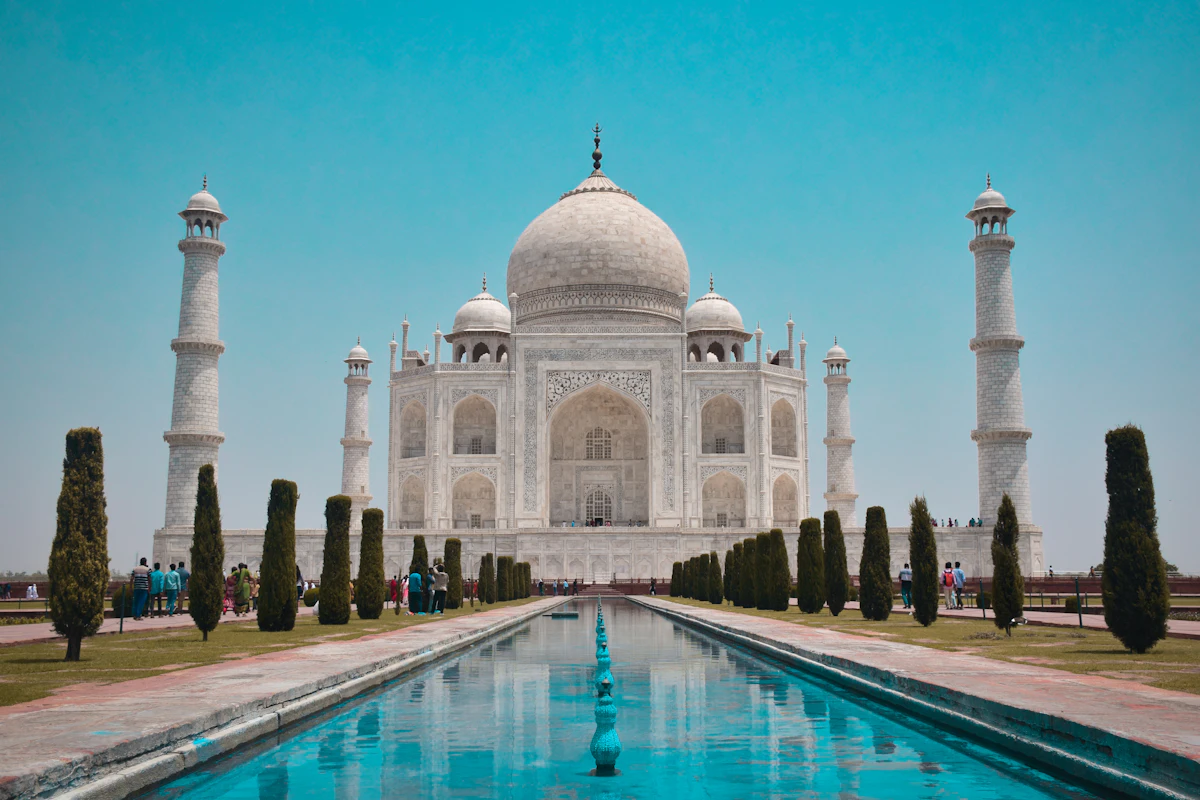
Taj Mahal Agra India
Click 2X to zoom image & Pan.
📍 Agra, Uttar Pradesh, India • Jewel of Muslim Art

5. Taj Mahal (India) Inscribed 1983

An immense mausoleum of white marble built between 1631 and 1648 by Emperor Shah Jahan in memory of his favorite wife Mumtaz Mahal. It represents the pinnacle of Mughal architecture, blending Indian, Persian, and Islamic styles.
Why Visit: Marvel at intricate marble inlay work (pietra dura), tranquil reflecting pools, and sunrise reflections.
Best Time to Visit: October to March when temperatures are mild and pleasant.
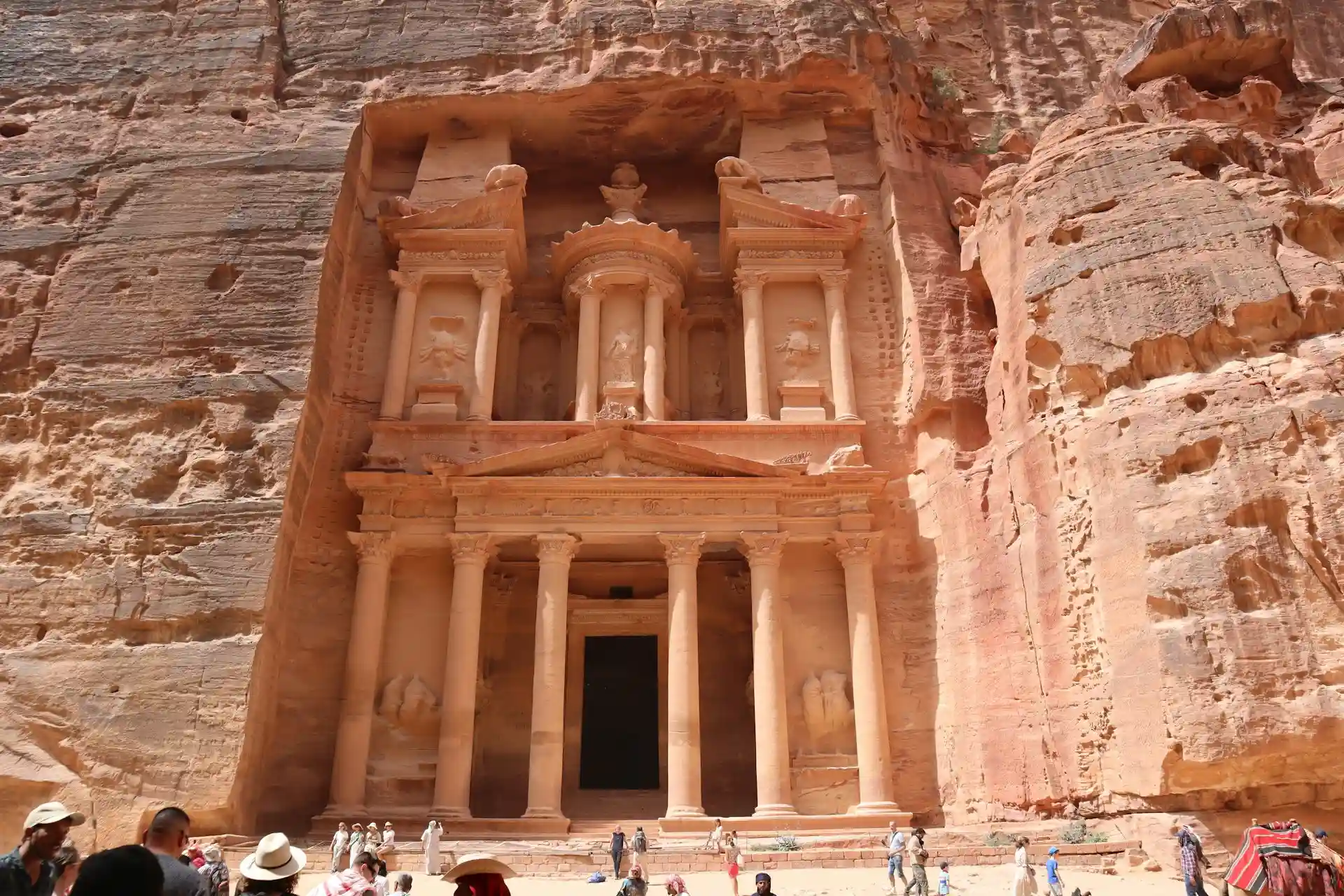
Petra Jordan Al-Khazneh Treasury
Click 2X to zoom image & Pan.
📍 Ma’an Governorate, Jordan • Rock-Cut Architecture

6. Petra (Jordan) Inscribed 1985

Half-built, half-carved into rose-red sandstone cliffs by the Nabataean Arabs over 2,000 years ago, Petra served as a crucial crossroads for Arabian incense and silk trade routes.
Why Visit: Walk through the narrow Siq canyon to reveal Al-Khazneh (The Treasury) and climb 800 steps to The Monastery.
Best Time to Visit: March to May and September to November for mild spring and autumn days.
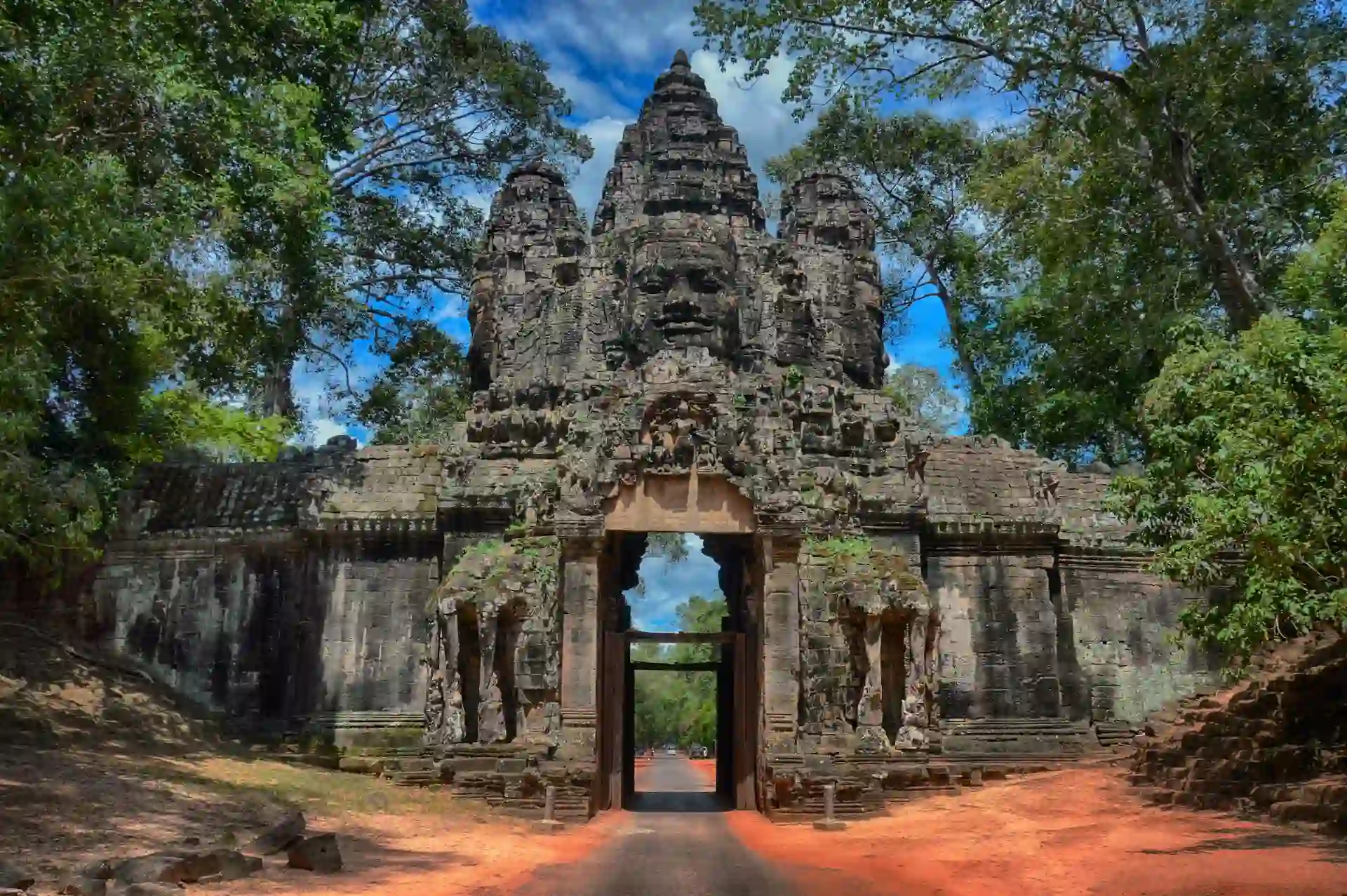
Angkor Wat Siem Reap Cambodia
Click 2X to zoom image & Pan.
📍 Siem Reap, Cambodia • Largest Religious Monument

7. Angkor Archaeological Park (Cambodia) Inscribed 1992

Spanning over 400 km², Angkor contains the magnificent remains of the Khmer Empire from the 9th to 15th centuries, including the famous temple of Angkor Wat, Bayon’s giant stone faces, and Ta Prohm overgrown with giant tree roots.
Why Visit: Sunrise over Angkor Wat’s lotus towers, intricate bas-relief carvings, and ancient jungle ruins.
Best Time to Visit: November to February during the dry, cooler season.
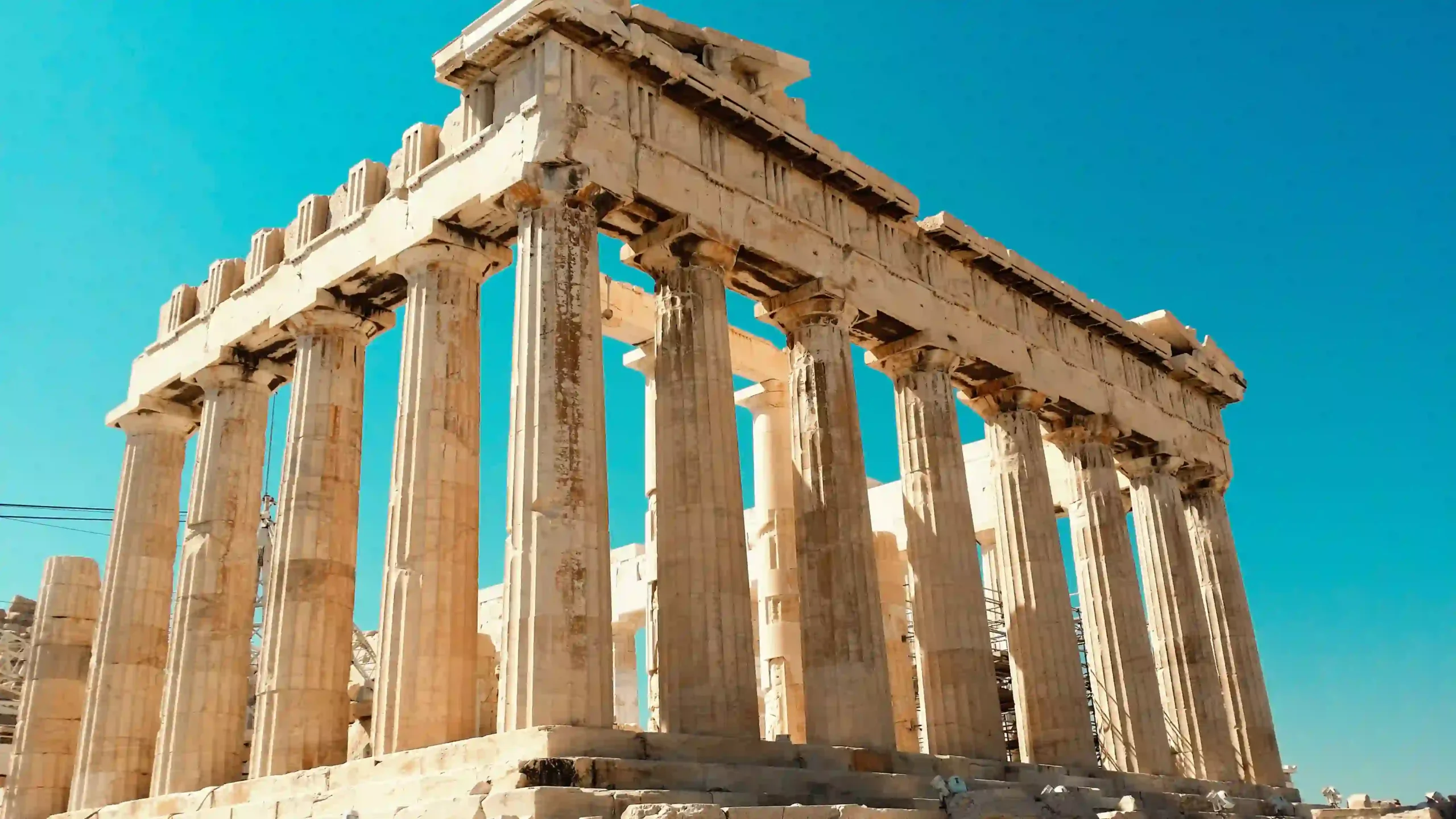
Acropolis Parthenon Athens Greece
Click 2X to zoom image & Pan.
📍 Athens, Greece • Cradle of Western Civilization

8. Acropolis of Athens (Greece) Inscribed 1987

Rising on a rocky outcrop above Athens, the Acropolis contains the Parthenon, Erechtheion, and Propylaea. Built in the 5th century BC, it remains the universal symbol of classical spirit and Athenian democracy.

Why Visit: Stand before the Parthenon, view original Caryatids at the Acropolis Museum, and overlook ancient Athens.
Best Time to Visit: April to June and September to October to avoid intense summer heat.
Chichen Itza El Castillo Pyramid Mexico
Click 2X to zoom image & Pan.
📍 Yucatán, Mexico • Mayan Pre-Hispanic City

9. Pre-Hispanic City of Chichen Itza (Mexico) Inscribed 1988

A major focal point of the Maya civilization, Chichen Itza exhibits a variety of architectural styles. Temple of Kukulcán (El Castillo) features 365 steps representing solar days and shadows mimicking a serpent during equinoxes.
Why Visit: El Castillo pyramid, Great Ball Court, Sacred Cenote, and advanced astronomical observatories.
Best Time to Visit: November to April during dry winter months.
Galapagos Islands Ecuador giant tortoise
Click 2X to zoom image & Pan.
📍 Pacific Ocean, Ecuador • Natural Evolution Living Laboratory

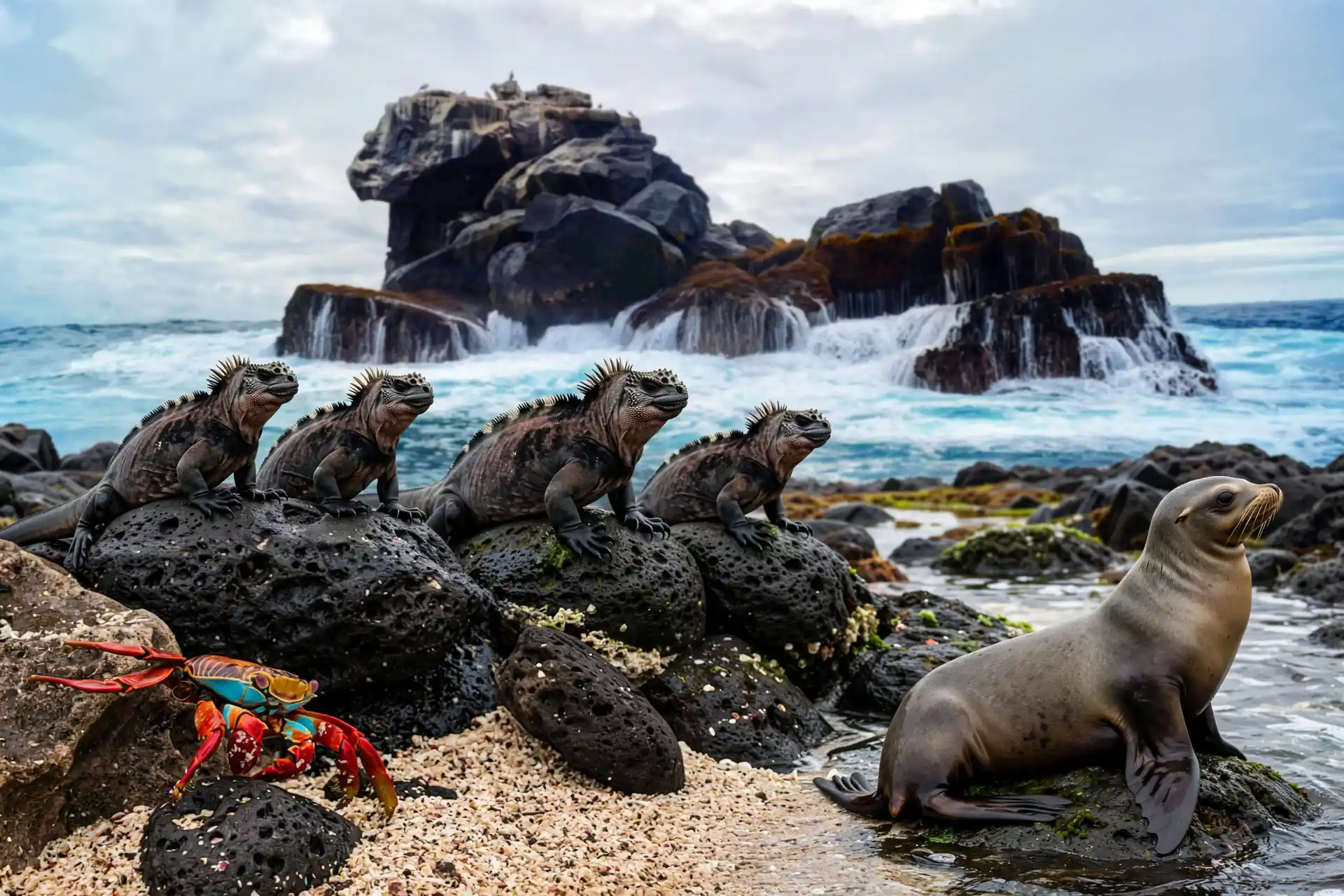
10. Galápagos Islands (Ecuador) Inscribed 1978

Located 1,000 km off the South American coast, this volcanic archipelago inspired Charles Darwin’s theory of evolution by natural selection. Its extreme isolation nurtured endemic giant tortoises, marine iguanas, and flightless cormorants.
Why Visit: Snorkel with fearless sea lions, observe giant tortoises in the wild, and cruise pristine volcanic shores.
Best Time to Visit: December to May for warm weather and calm seas ideal for marine life viewing.
Serengeti National Park Tanzania Wildlife Giraffes Vegetation
Click 2X to zoom image & Pan.
📍 Mara/Simiyu Regions, Tanzania • Wildlife & Savannah Ecosystem

11. Serengeti National Park (Tanzania) Inscribed 1981

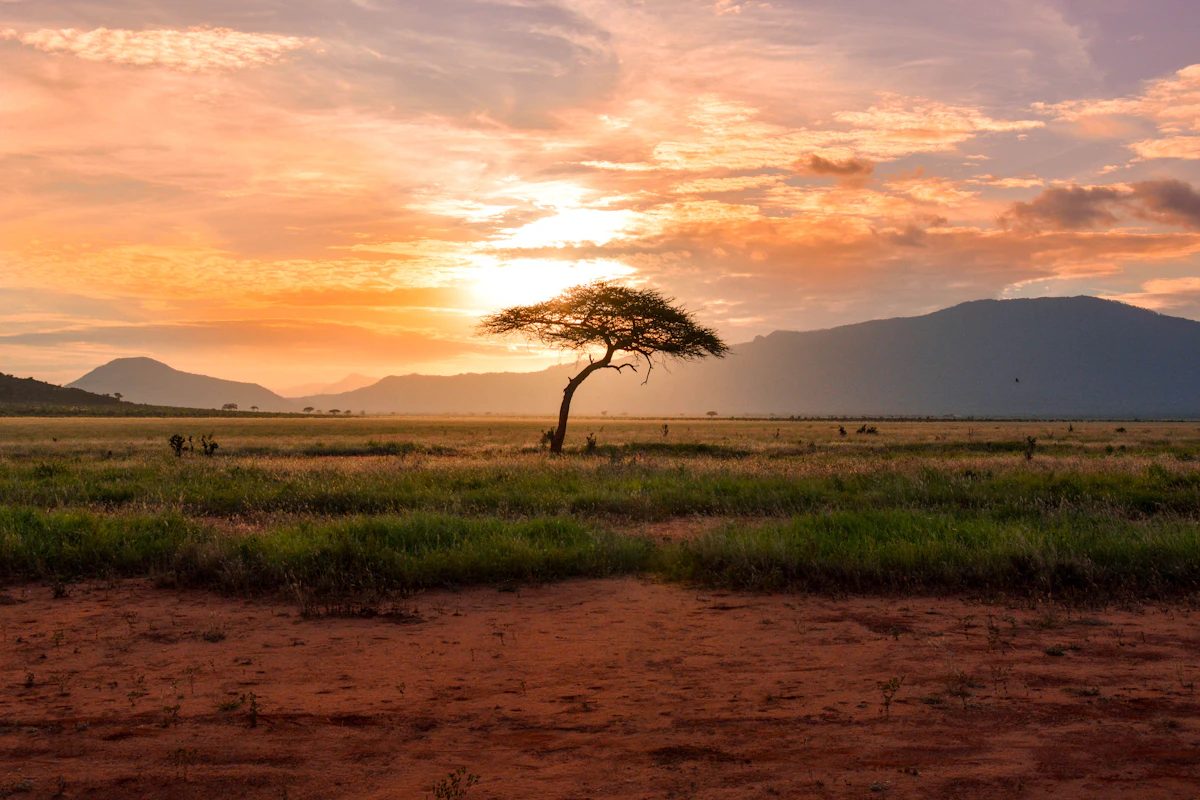
Comprising 1.5 million hectares of acacia woodlands, riverine forests, and grassy plains, the Serengeti hosts the world’s largest mammal migration. Over 2 million wildebeest, zebras, and giraffes roam alongside apex predators.

Why Visit: Witness Great Migration river crossings, view towering giraffes and herds of zebras, and enjoy savannah balloon safaris.
Best Time to Visit: June to October for dry season game viewing and migration tracking.
Great Barrier Reef Coral Sea Australia
Click 2X to zoom image & Pan.
📍 Queensland, Australia • World’s Largest Coral Reef System

12. Great Barrier Reef (Australia) Inscribed 1981

Containing over 2,900 individual reefs and 900 islands stretching for 2,300 kilometers, the Great Barrier Reef is the largest structure on Earth built by living organisms and can be seen from space.

Why Visit: Scuba diving, snorkeling with sea turtles, helicopter flights over Heart Reef, and outer reef pontoons.
Best Time to Visit: June to October for low rainfall, high visibility, and stinger-free waters.
Yellowstone National Park Grand Prismatic Spring
Click 2X to zoom image & Pan.
📍 Wyoming, USA • Geothermal Volcanic Hotspot

13. Yellowstone National Park (USA) Inscribed 1978

Established in 1872 as the world’s first national park, Yellowstone contains half of the world’s known geothermal features, including Old Faithful Geyser, Grand Prismatic Spring, and abundant populations of bison and wolves.
Why Visit: Geysers and hot springs, Lamar Valley wildlife safaris, and dramatic waterfall canyons.
Best Time to Visit: April to May and September to October for fewer crowds and wildlife activity.
Mont Saint Michel Normandy France Abbey
Click 2X to zoom image & Pan.
📍 Normandy, France • Gothic Benedictine Abbey

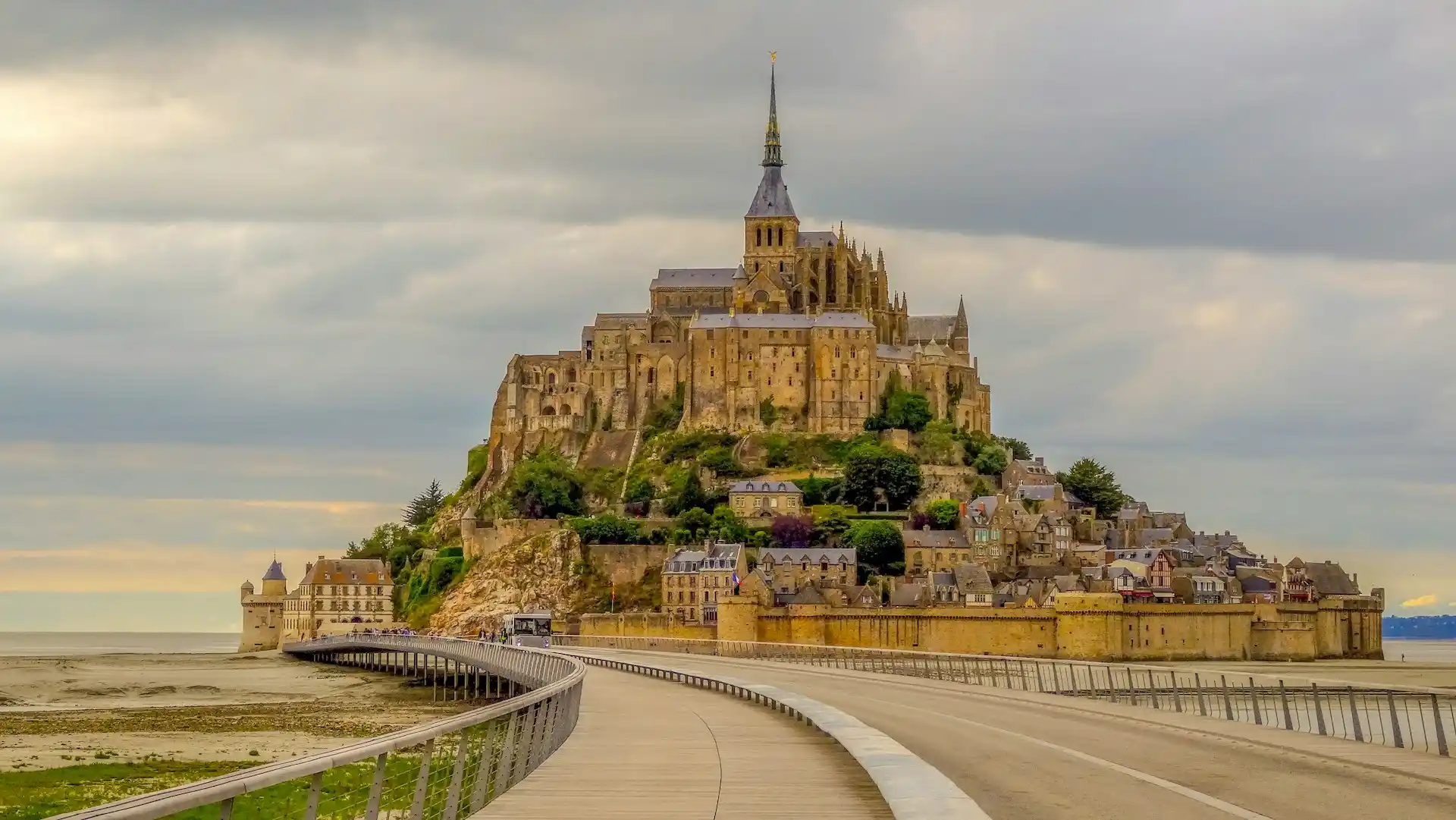
14. Mont-Saint-Michel and its Bay (France) Inscribed 1979

Perched on a rocky islet in Normandy surrounded by Europe’s highest tides, this Benedictine abbey dedicated to Archangel St. Michel is a masterpiece of medieval Gothic architecture and pilgrimage history.
Why Visit: Walk the medieval ramparts, explore the Gothic abbey spire, and watch dramatic tidal surges.
Best Time to Visit: May to September for long daylight hours and warm sea breezes.
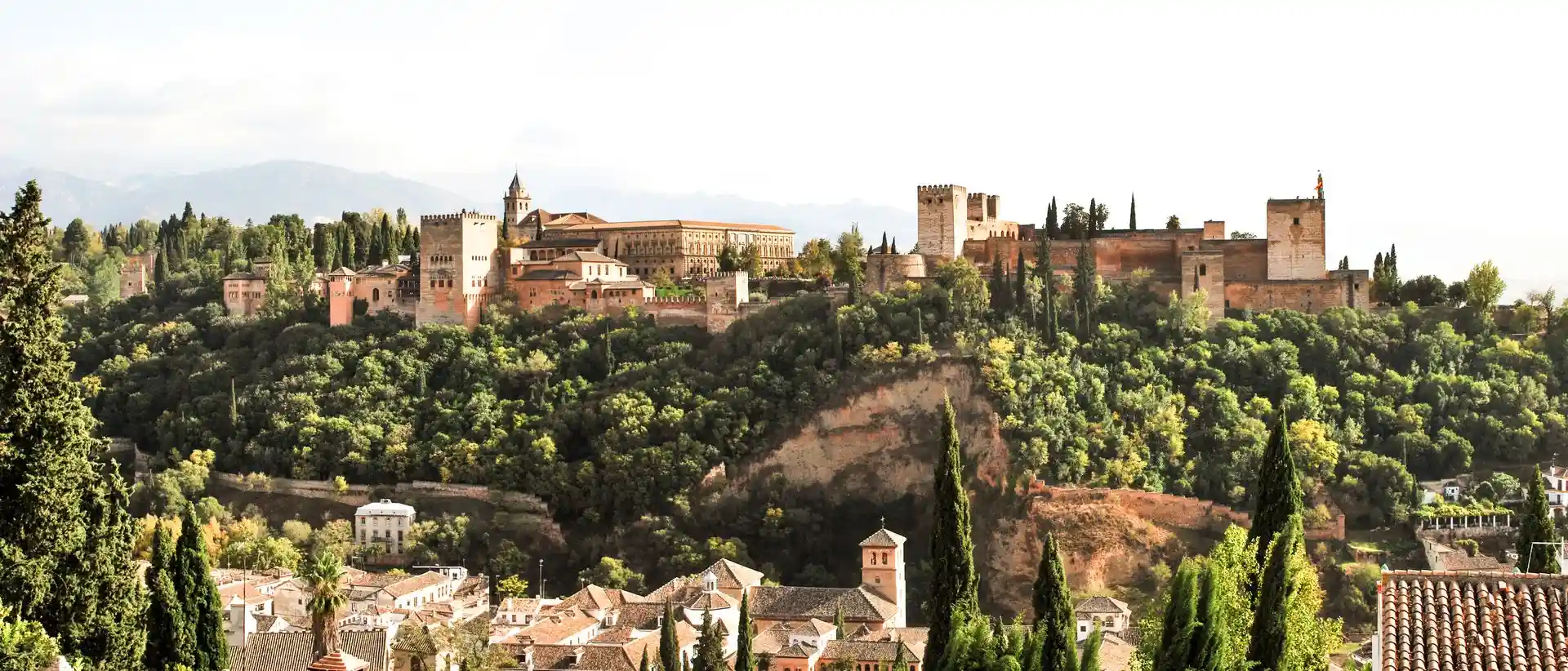
Alhambra Granada Spain Islamic Palace
Click 2X to zoom image & Pan.
📍 Granada, Andalusia, Spain • Moorish Palace Fortress

15. Alhambra, Generalife and Albayzín (Spain) Inscribed 1984

Overlooking Granada, the Alhambra was built by Moorish rulers of the Nasrid dynasty. With its exquisite Nasrid Palaces, courtyard arcades, and tranquil Generalife gardens, it represents the pinnacle of Islamic art in Europe.

Why Visit: Court of the Lions, intricate stucco arabesques, aromatic citrus gardens, and Albayzín views.
Best Time to Visit: April to May and September to October for pleasant weather and blooming flora.
Prague Historic Centre Charles Bridge Czech Republic
Click 2X to zoom image & Pan.
📍 Prague, Czech Republic • Architectural Masterpiece

16. Historic Centre of Prague (Czech Republic) Inscribed 1992

Built between the 11th and 18th centuries, Prague’s historic center boasts an intact architectural ensemble ranging from Romanesque and Gothic to Baroque and Art Nouveau, connected by the iconic stone Charles Bridge across the Vltava River.
Why Visit: Prague Castle complex, Astronomical Clock show, Old Town Square, and historic cobblestone lanes.
Best Time to Visit: May to September for warm weather; December for famous Christmas markets.
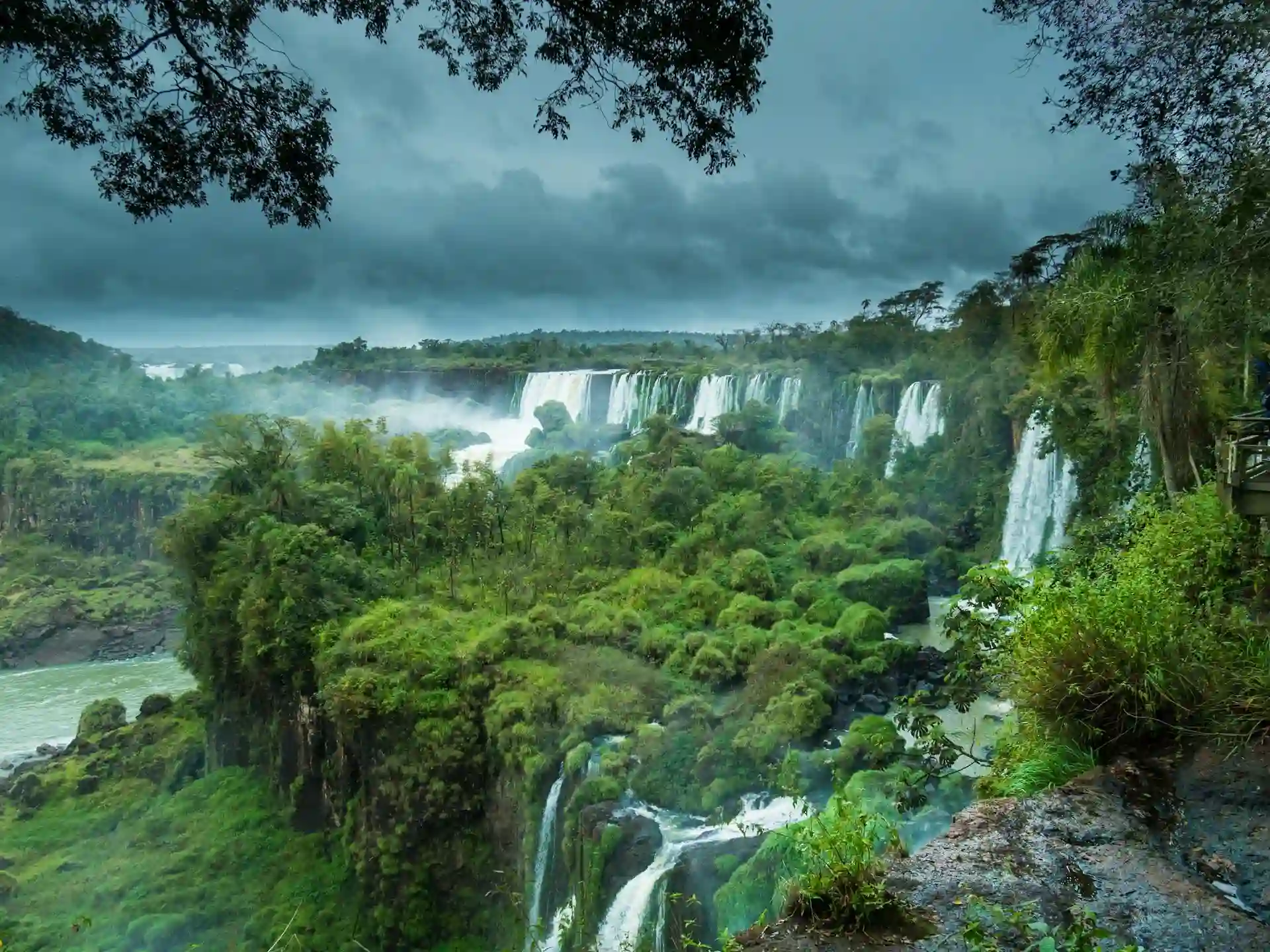
Iguazu Falls Argentina Brazil
Click 2X to zoom image & Pan.
📍 Misiones, Argentina / Paraná, Brazil • Subtropical Waterfall System

17. Iguazu National Park (Argentina / Brazil) Inscribed 1984

Straddling the border between Argentina and Brazil, the semicircular Iguazu Falls consist of 275 individual cascades spanning nearly 2.7 km. Surrounded by lush subtropical rainforest, it produces constant rainbows and mist.

Why Visit: Devil’s Throat catwalks, jungle train rides, speedboat water thrill tours, and toucan spotting.
Best Time to Visit: March to May and September to November for balanced water volume and mild heat.
Kyoto Japan Pagoda Temple
Click 2X to zoom image & Pan.
📍 Kyoto, Japan • Imperial Capital Heritage

18. Historic Monuments of Ancient Kyoto (Japan) Inscribed 1994

Kyoto served as Japan’s imperial capital from 794 to 1868. This UNESCO property encompasses 17 separate historic sites, including wooden Buddhist temples like Kiyamizu-dera, Zen dry rock gardens, and traditional shinto shrines.

Why Visit: Kinkaku-ji (Golden Pavilion), Fushimi Inari torii gates, Arashiyama Bamboo Grove, and tea ceremonies.
Best Time to Visit: March to April for cherry blossoms; November for vibrant autumn red maple leaves.
Venice Canal Gondola Italy
Click 2X to zoom image & Pan.
📍 Veneto, Italy • Floating Maritime Republic

19. Venice and its Lagoon (Italy) Inscribed 1987

Founded in the 5th century and spread across 118 small islands connected by canals and bridges, Venice was a major medieval maritime power. Its architectural masterpieces house art from Titan, Veronese, and Tintoretto.
Why Visit: St. Mark’s Basilica, Grand Canal gondola rides, Doge’s Palace, and colorful Murano/Burano islands.
Best Time to Visit: April to May and September to October to avoid summer crowds and tidal flooding.
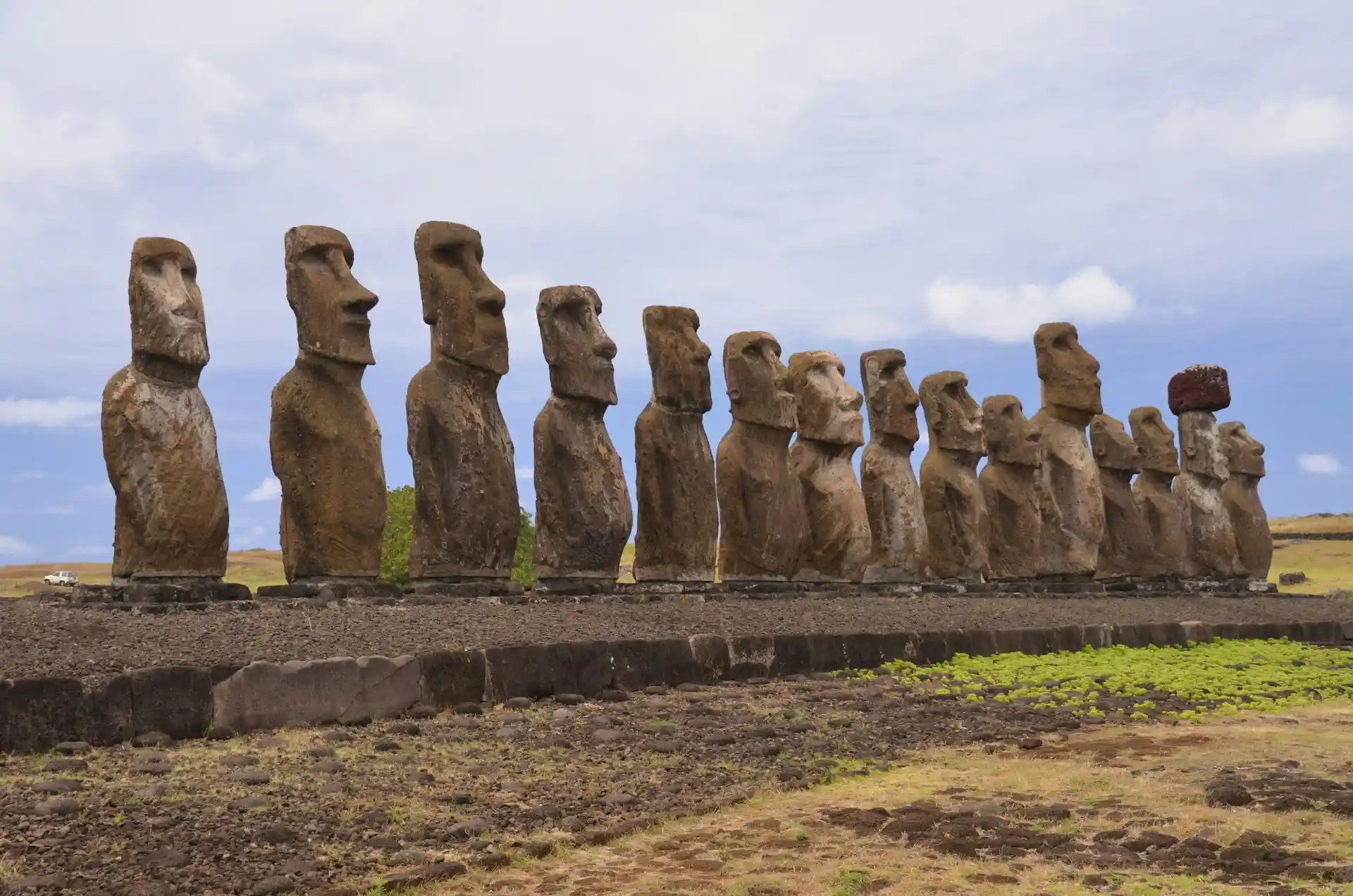
Easter Island Moai Statues Rapa Nui Chile
Click 2X to zoom image & Pan.
📍 Easter Island, Chile • Polynesian Monumental Sculptures

20. Rapa Nui National Park (Easter Island, Chile) Inscribed 1995

Located in isolation in the South Pacific, Rapa Nui bears witness to a unique Polynesian culture. From the 10th to the 16th centuries, islanders carved nearly 900 colossal stone statues known as Moai.

Why Visit: Ahu Tongariki 15-moai platform, Rano Raraku volcanic quarry, and ceremonial village of Orongo.
Best Time to Visit: December to February for warm weather and the vibrant Tapati Rapa Nui festival.

🛡️ Essential UNESCO Visitor Guidance Advice

  • Reserve Timed Entry Passes Early: Fragile cultural landmarks like Machu Picchu, the Colosseum, and the Alhambra strictly limit daily visitor capacity.
  • Practice Sustainable Tourism: Do not touch ancient frescoes, touch marble sculptures, or climb restricted ruins.
  • Respect Sacred Dress Codes: Modest attire covering shoulders and knees is mandatory at religious sites like Angkor Wat or the Taj Mahal.
  • Hire Certified Official Guides: Engaging licensed local experts ensures historical accuracy and directly supports local heritage preservation.
  • Leave No Trace in Natural Sites: Pack out all waste, refrain from feeding wildlife, and stick strictly to marked wooden boardwalks.