
Volcanoes are among nature’s most powerful creations. From fiery eruptions to glowing basaltic lava rivers, these geological wonders have shaped landscapes and inspired awe for millennia. Exploring the Top 20 Volcanoes in the world takes adventurers from the glowing ocean entries of Hawaii to deep lava lakes in the Congo and active erupting vents across the Pacific.

0 Active Volcanoes
0 Ring of Fire Peaks
0 Active Submarine Vents
0 Population Near Peaks (M)

Geographic Distribution: Over 75% of active terrestrial volcanoes line the Pacific Rim (“Ring of Fire”). Mid-Atlantic volcanic oceanic islands (such as Iceland) account for 10%, while the African Rift Valley, Mediterranean Basin, and hot-spot archipelagos encompass the remaining active volcanic centers.

Why Visit Volcanoes?

🌋 Spectacular Beauty Dynamic landscapes shaped by basalt flows, ash fields, and geothermal lakes.
🔬 Geological Wonder Witness Earth’s internal forces, active magma chambers, and fumaroles firsthand.
🧗 Adventure Travel Challenging high-altitude trekking, crater rim climbs, and ash-boarding.
🌿 Unique Ecosystems Explore rare flora and fauna thriving in nutrient-rich volcanic soil.

Top 20 Volcanoes to Visit in the World
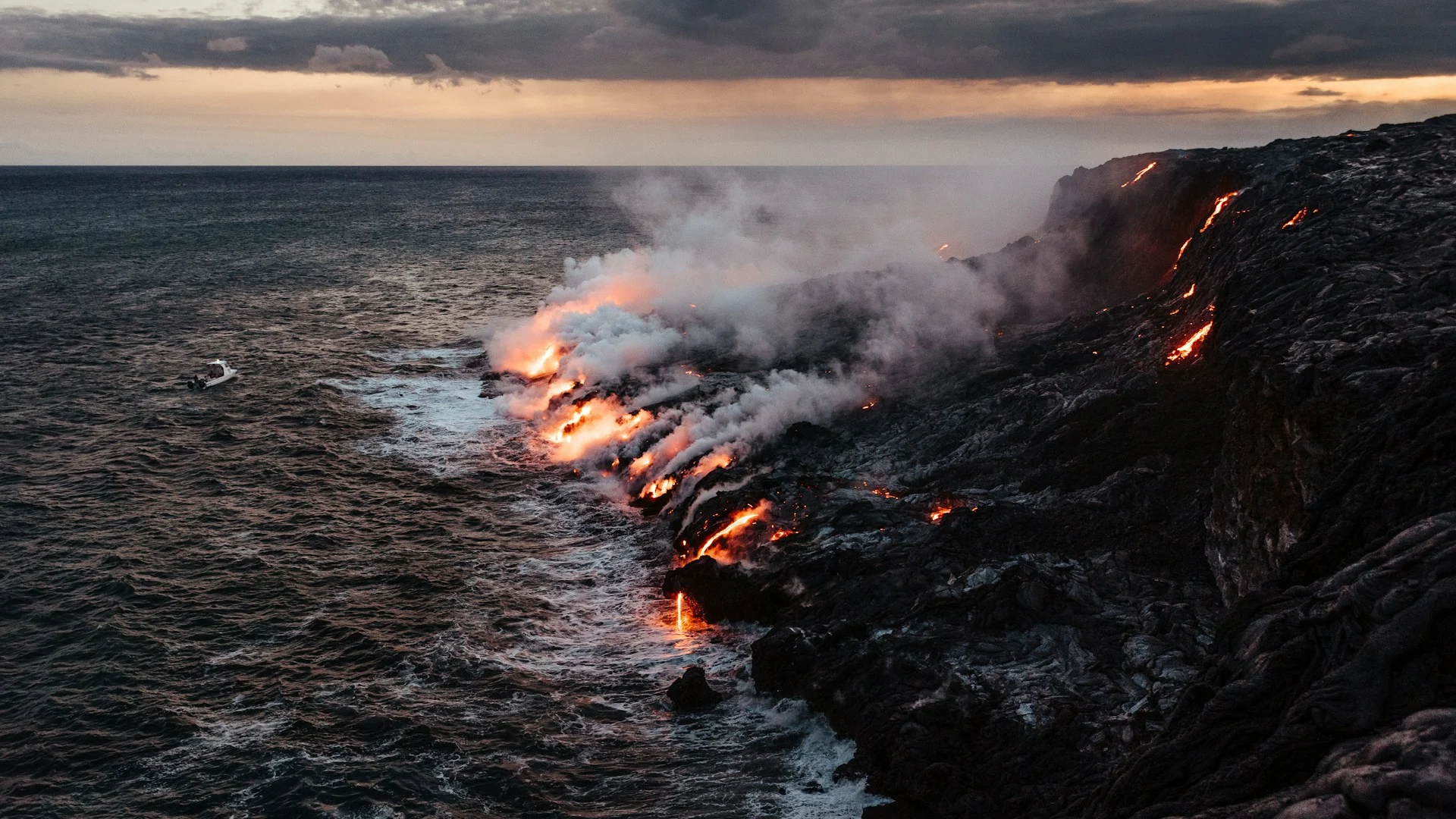
Kilauea Hawaii Lava Ocean Entry
Click 2X to zoom image & Pan.
📍 Big Island, Hawaii, USA • Elev. 1,247 m • Active Shield Volcano

1. Kīlauea (Hawaii, USA) Ocean Lava Entry

One of Earth’s most active shield volcanoes, Kīlauea is world-renowned for continuous basaltic eruptions, night-glowing crater lakes in Halemaʻumaʻu, and dramatic lava rivers dripping straight into the Pacific Ocean.
Why Visit: Lava ocean entry boat tours, Halemaʻumaʻu nighttime glow, and Thurston Lava Tube walks inside Hawaii Volcanoes National Park.
Best Time to Visit: Year-round, with night viewings offering the most spectacular glowing magma contrast.
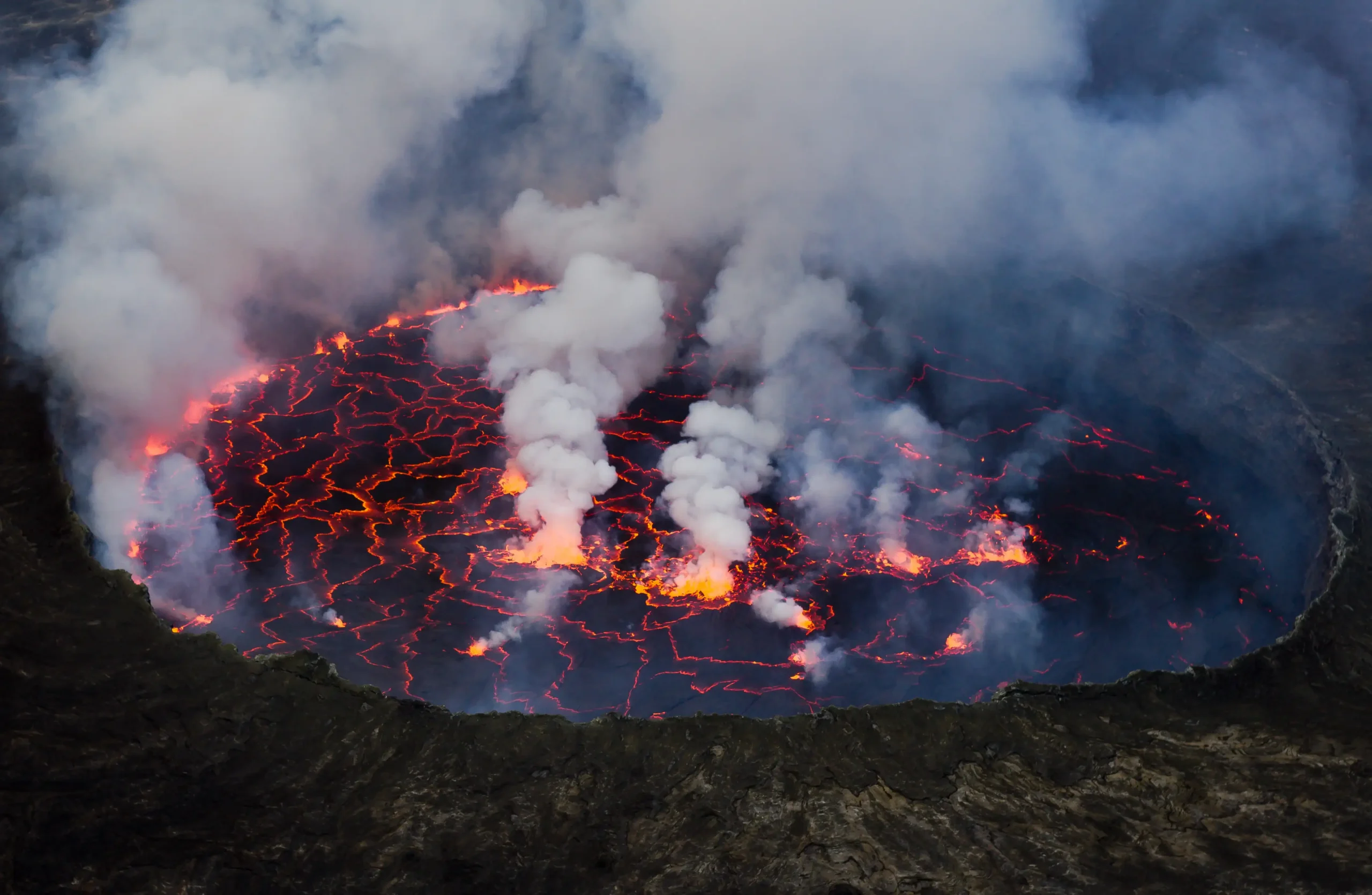
Nyiragongo Lava Lake World Largest Magma Crater
Click 2X to zoom image & Pan.
📍 Virunga Mountains, DR Congo • Elev. 3,470 m • Active Stratovolcano

2. Mount Nyiragongo (DR Congo) Largest Lava Lake on Earth

Houses the largest active persistent lava lake on the planet. Located within Virunga National Park, its churns of fluid basaltic magma create a mesmerizing incandescent display visible from the summit crater rim.
Why Visit: Peer directly into Earth’s largest churning lava lake during overnight summit hut expeditions.
Best Time to Visit: December to February and June to September (Dry Seasons).
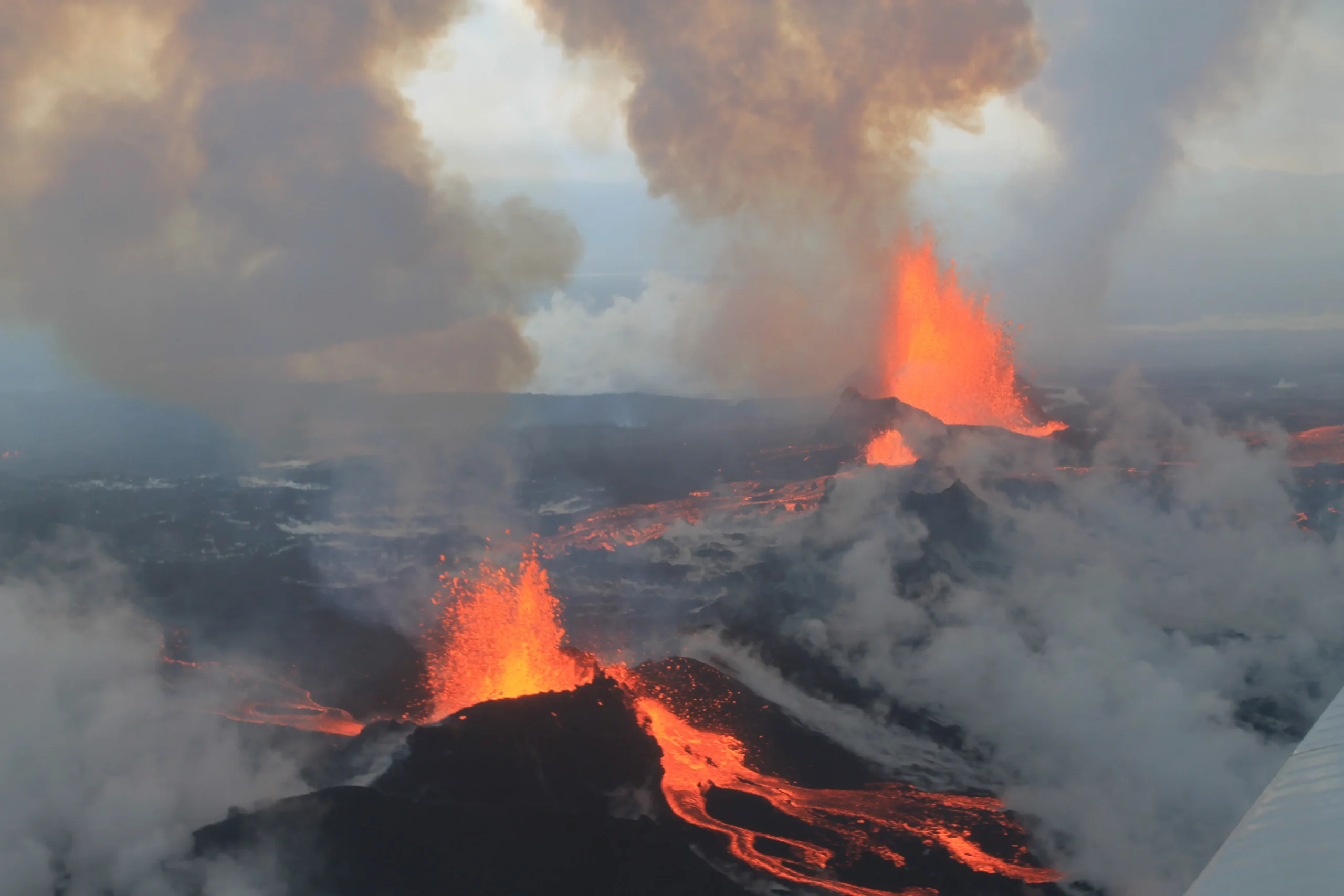
Holuhraun Bardarbunga Active Fissure Lava Eruption
Click 2X to zoom image & Pan.
📍 Vatnajökull Highlands, Iceland • Active Volcanic Fissure Field

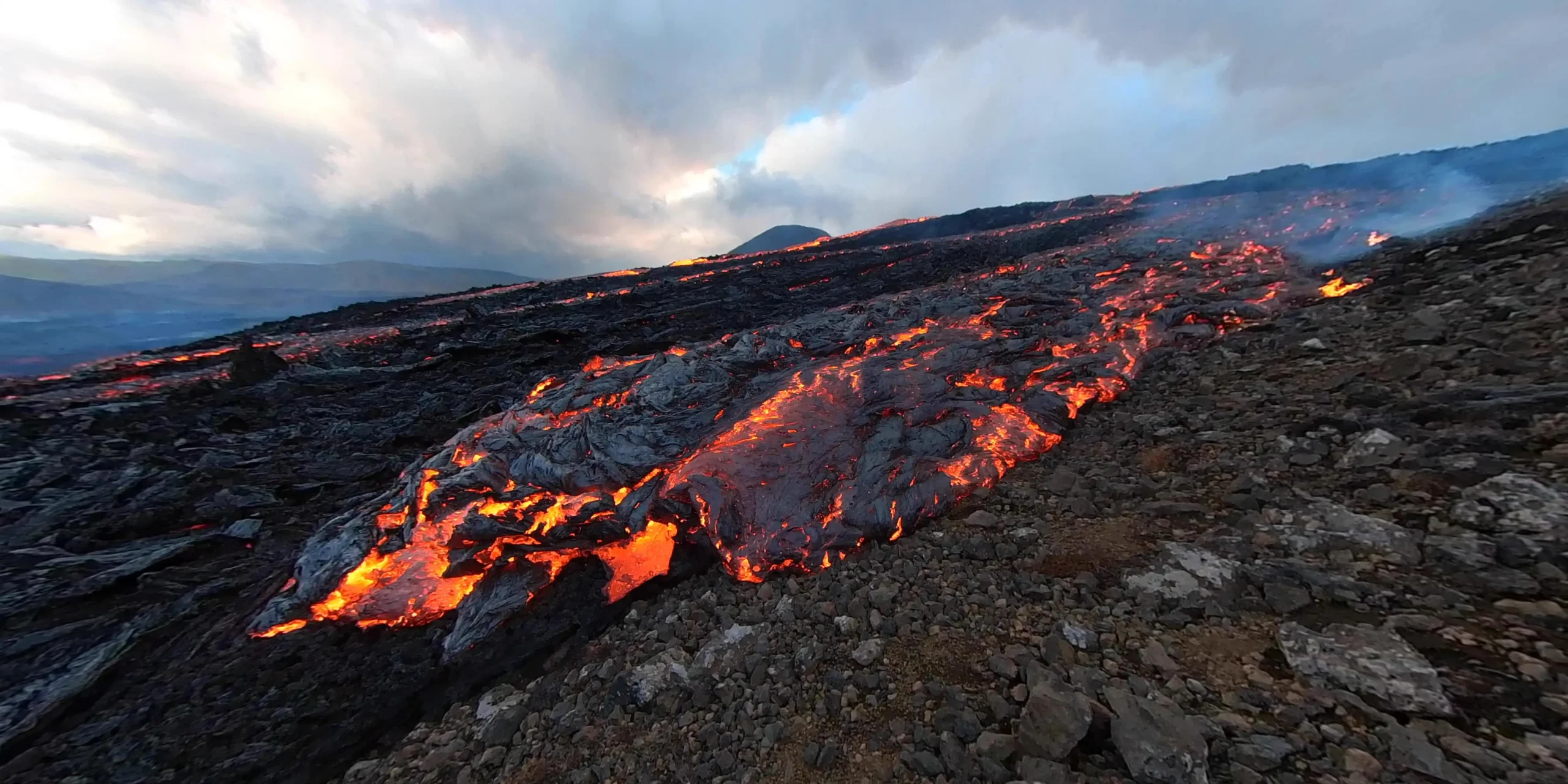
3. Holuhraun & Bárðarbunga (Iceland) Active Fissure Eruption

Site of Iceland’s largest basaltic flood eruption in over 230 years, Holuhraun created a massive glowing lava field covering 85 square kilometers in the remote interior highlands north of Vatnajökull glacier.
Why Visit: Super-Jeep highland tours across vast fresh basalt lava fields and steaming geothermal rifts.
Best Time to Visit: July to August when highland F-roads are accessible.
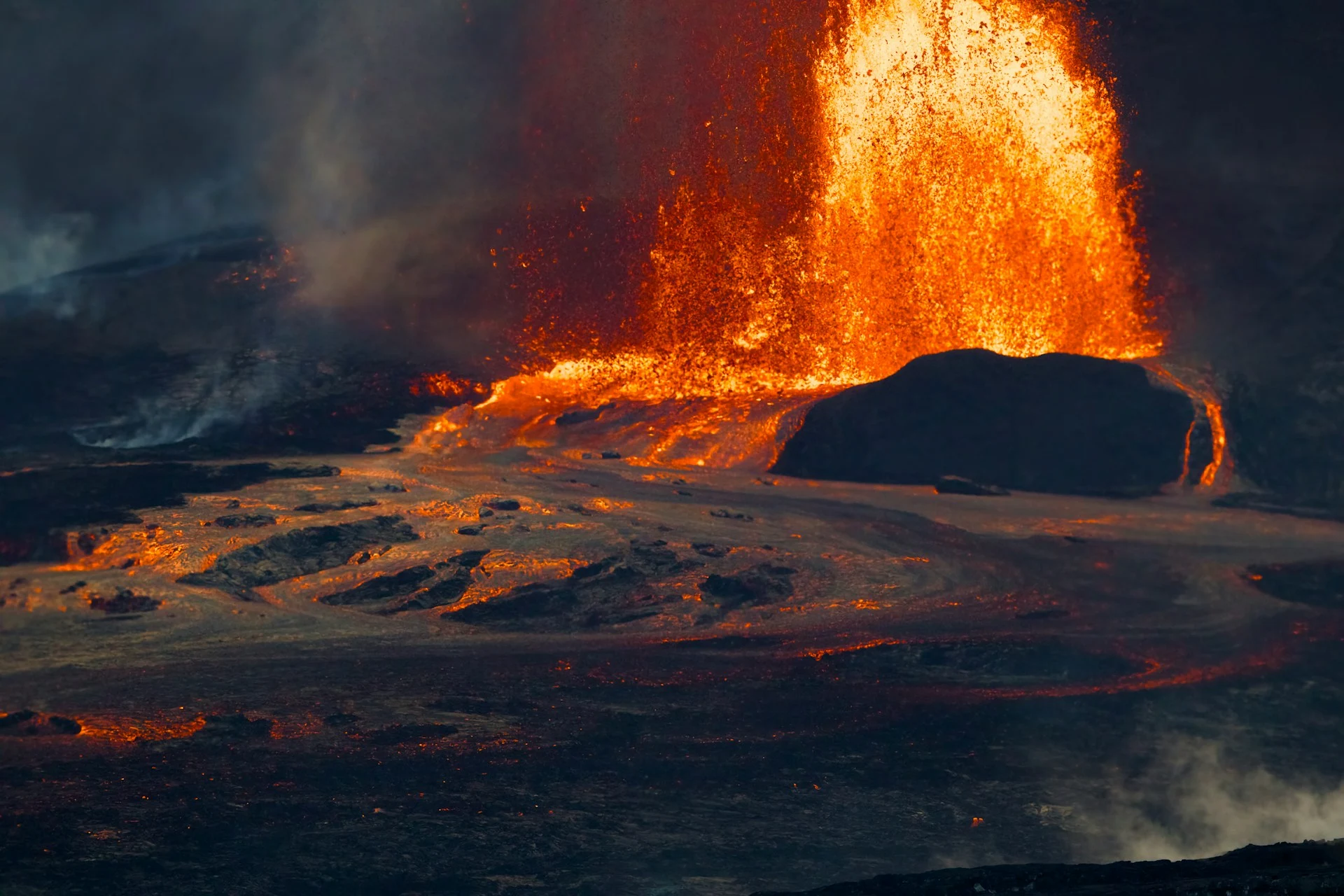
Volcan de Fuego Erupting Night Lava
Click 2X to zoom image & Pan.
📍 Sacatepéquez, Guatemala • Elev. 3,763 m • Highly Active

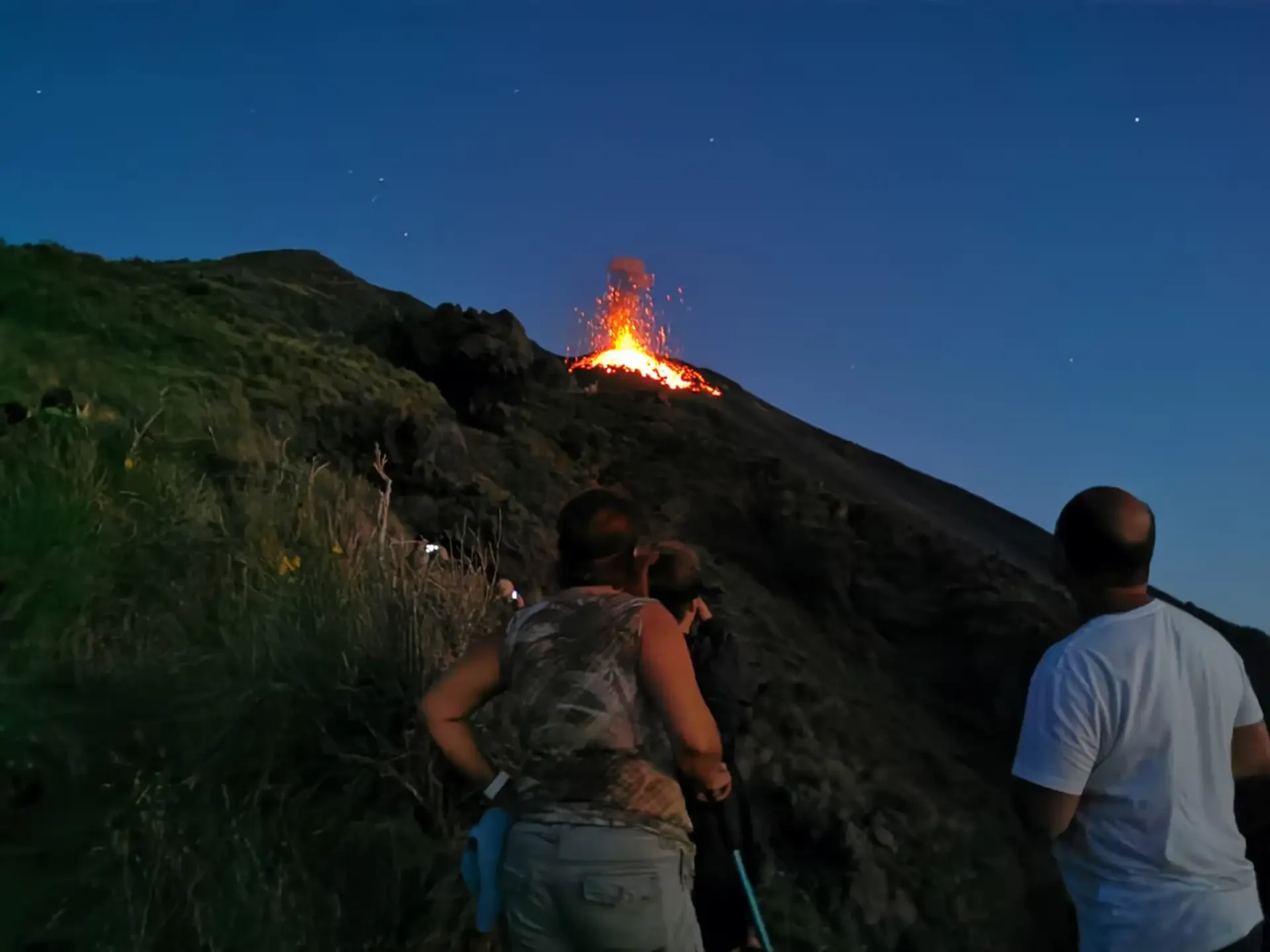
4. Volcán de Fuego (Guatemala) Constantly Erupting

Famous for its dramatic, near-continuous explosions every 15 to 20 minutes, Volcán de Fuego shoots towering ash plumes and glowing magma fountains into the highland night sky.
Why Visit: Overnight high-altitude camping on neighboring Acatenango peak for front-row views of Fuego erupting.
Best Time to Visit: November to April (Dry Season) for clear nighttime viewing.
Erta Ale Lava Lake Ethiopia Danakil Depression
Click 2X to zoom image & Pan.
📍 Danakil Depression, Ethiopia • Elev. 613 m • Active Shield Volcano

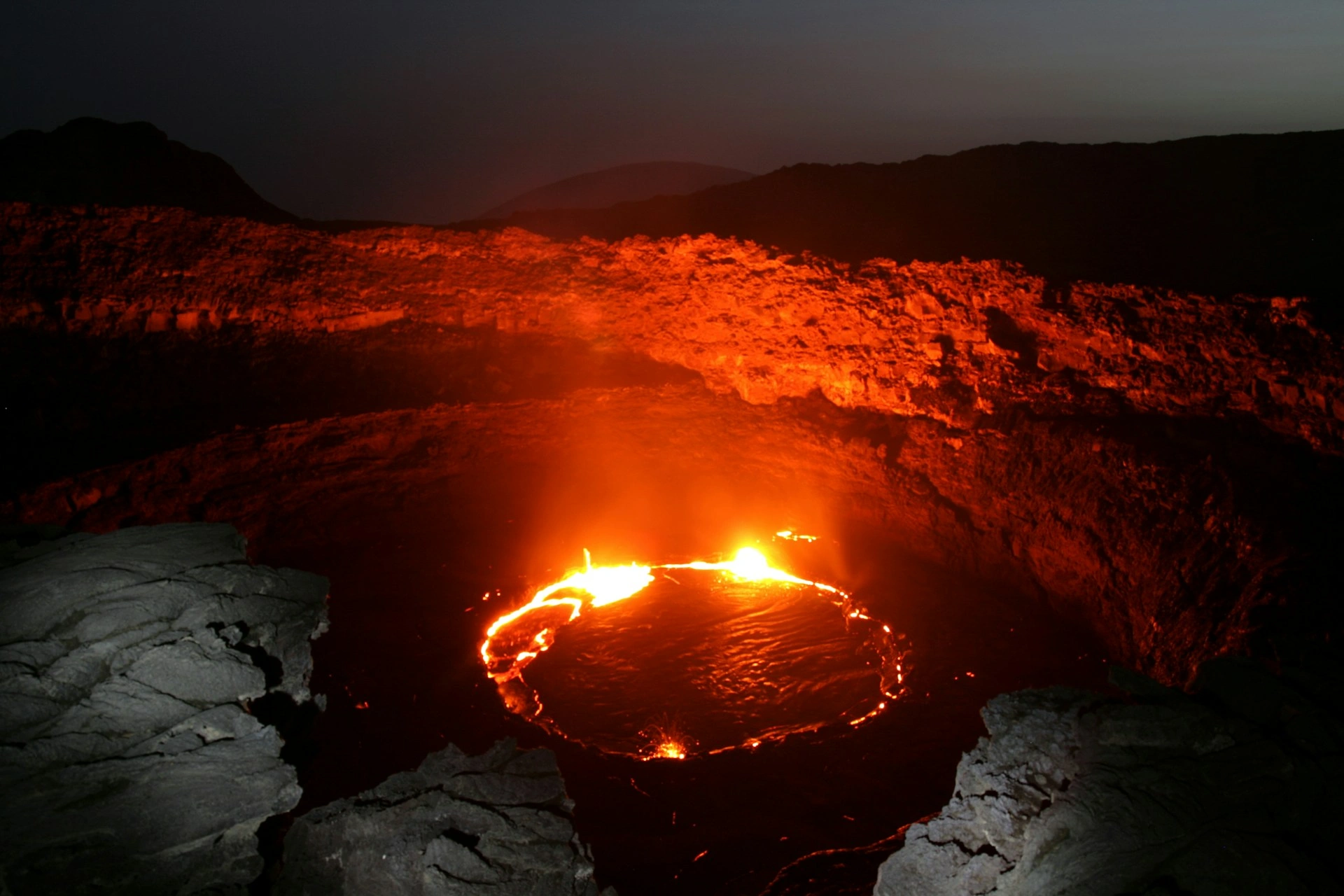
5. Erta Ale (Ethiopia) Persistent Lava Lake

Rising out of the alien Danakil Depression below sea level, Erta Ale (“Smoking Mountain”) holds one of the world’s few continuously active lava lakes, bubbling constantly since the early 20th century.
Why Visit: Nighttime crater edge treks to observe bubbling red magma fountains inside one of Earth’s hottest regions.
Best Time to Visit: November to February when winter desert temperatures are tolerable.
Mount Etna Active Night Eruption Lava Flows
Click 2X to zoom image & Pan.
📍 Sicily, Italy • Elev. 3,357 m • Europe’s Highest Active Volcano

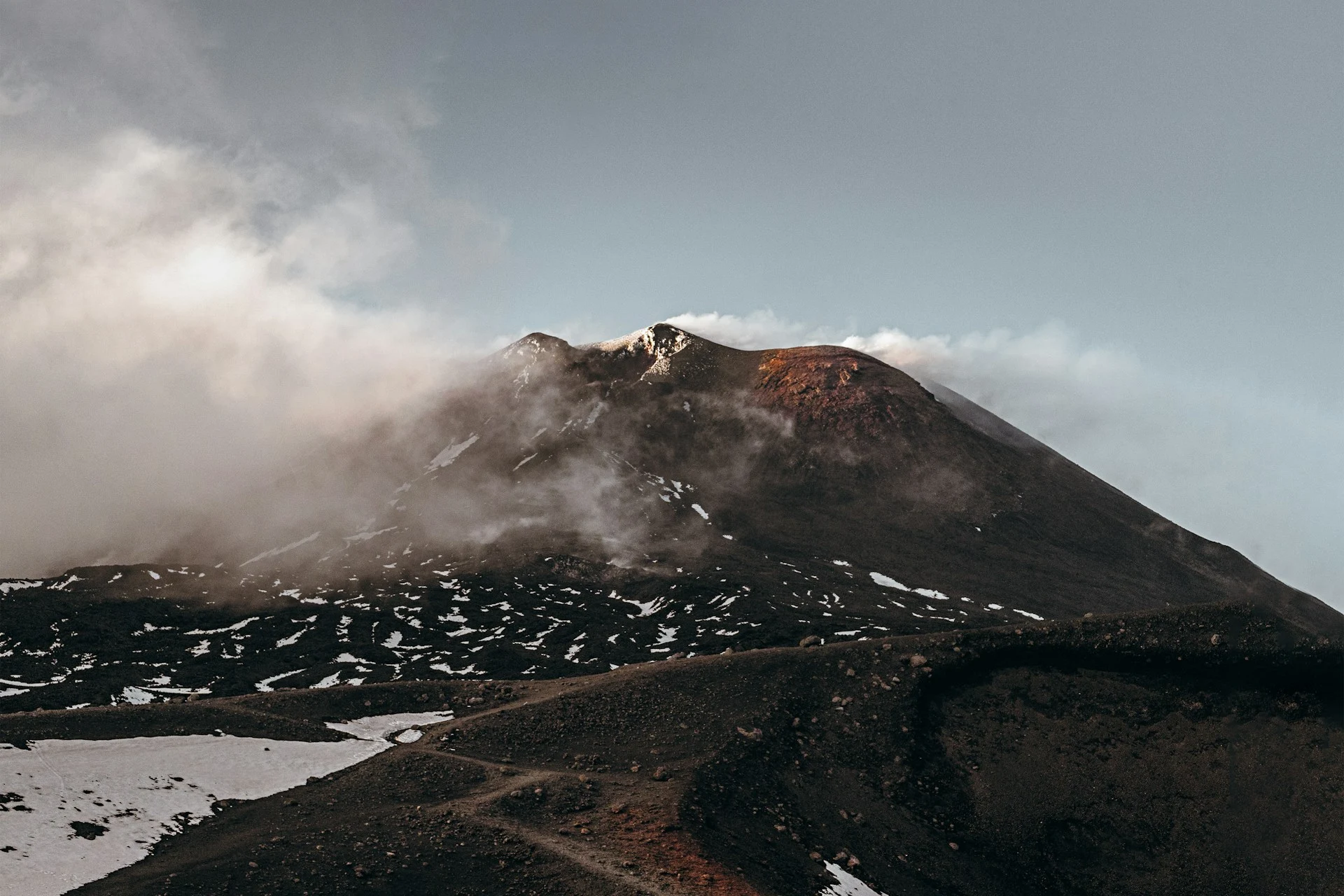
6. Mount Etna (Italy) Highest Active Peak in Europe

Europe’s tallest and most active volcano, Mount Etna dominates the eastern coast of Sicily. It frequently produces spectular fountain eruptions, lava flows, and ash clouds over Catania.
Why Visit: Cable car and 4×4 summit crater tours, volcanic cavern exploration, and wine tasting on lava-enriched soil.
Best Time to Visit: May to October for trekking, or winter for volcano skiing.
Stromboli Night Lava Cascades Sciara del Fuoco
Click 2X to zoom image & Pan.
📍 Aeolian Islands, Sicily, Italy • Elev. 926 m • Strombolian Eruptions

7. Stromboli (Italy) Lava Cascades into Sea

Dubbed the “Lighthouse of the Mediterranean,” Stromboli has been in continuous eruption for over 2,000 years. Glowing lava bursts frequently tumble down the steep *Sciara del Fuoco* slope into the sea.
Why Visit: Nighttime boat excursions along Sciara del Fuoco to watch fiery molten rocks cascade down into the ocean.
Best Time to Visit: May to September for calm Tyrrhenian Sea boat cruises.
Fagradalsfjall Iceland Active Volcanic Fissure
Click 2X to zoom image & Pan.
📍 Reykjanes Peninsula, Iceland • Geldingadalir Active Rift

8. Fagradalsfjall (Iceland) Fresh Basalt Fissure

Located near Grindavík and Keflavík Airport, Fagradalsfjall erupted after 800 years of dormancy, creating incredible effusive lava fountains and river networks in the Geldingadalir valleys.
Why Visit: Hike along newly formed black basalt crusts and witness geothermal steam rising from recent lava flows.
Best Time to Visit: June to August for mild weather and long daylight trail hikes.
Sakurajima Japan Active Volcanic Ash Plume
Click 2X to zoom image & Pan.
📍 Kagoshima Prefecture, Japan • Elev. 1,117 m • Active Stratovolcano

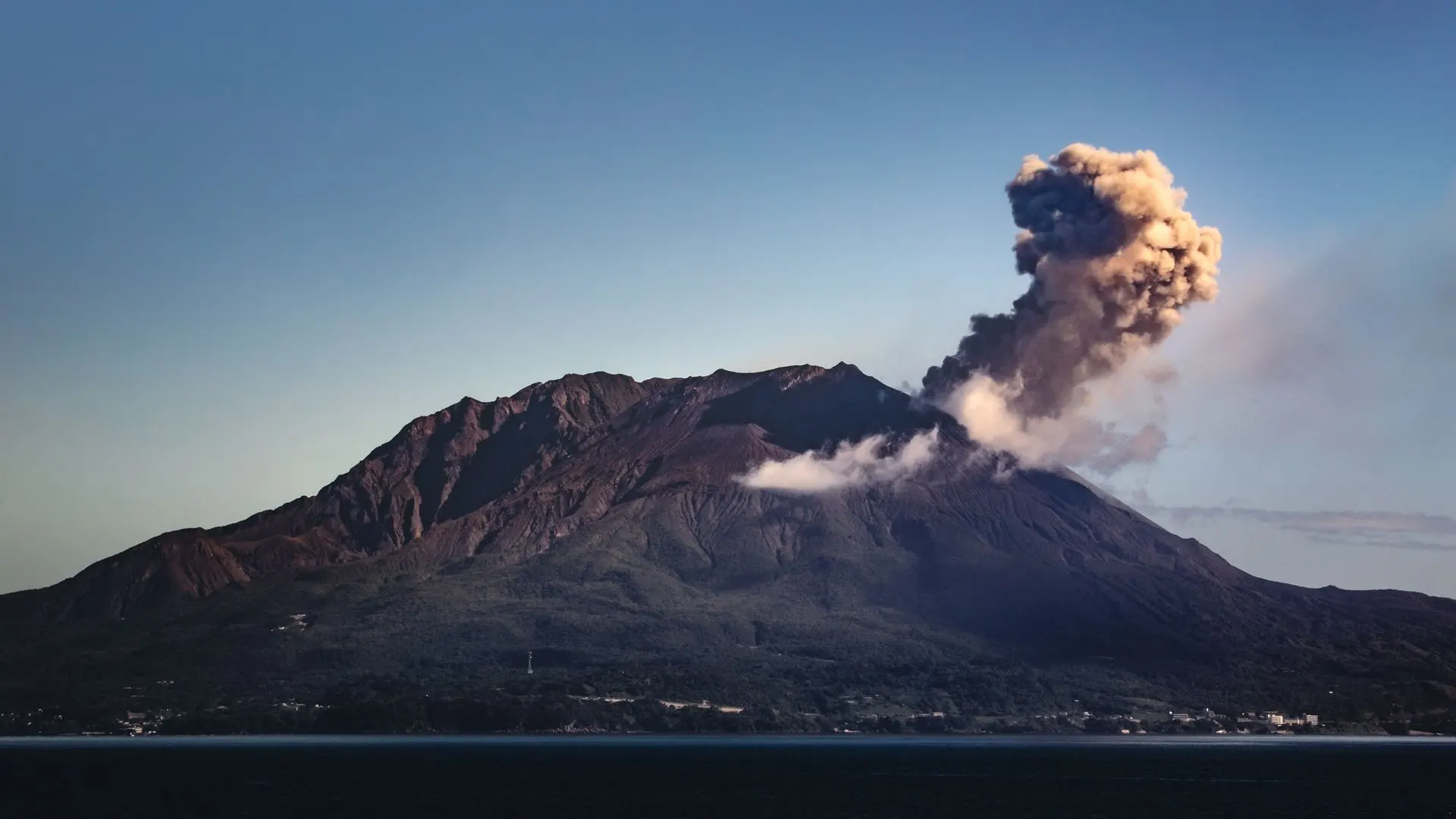
9. Sakurajima (Japan) Frequent Explosive Ash Plumes

One of Japan’s most active volcanoes, Sakurajima constantly ejects ash columns directly across Kagoshima Bay. Local residents carry umbrellas against falling ash, and ferry boats grant close crater views.
Why Visit: Yunohira Lookout, Kurokami Buried Torii gate, and volcanic hot spring footbaths along the coast.
Best Time to Visit: March to May and September to November for clear bay views.
Mount Pinatubo Philippines Crater Lake
Click 2X to zoom image & Pan.
📍 Luzon, Philippines • Elev. 1,486 m • Active Caldera Lake

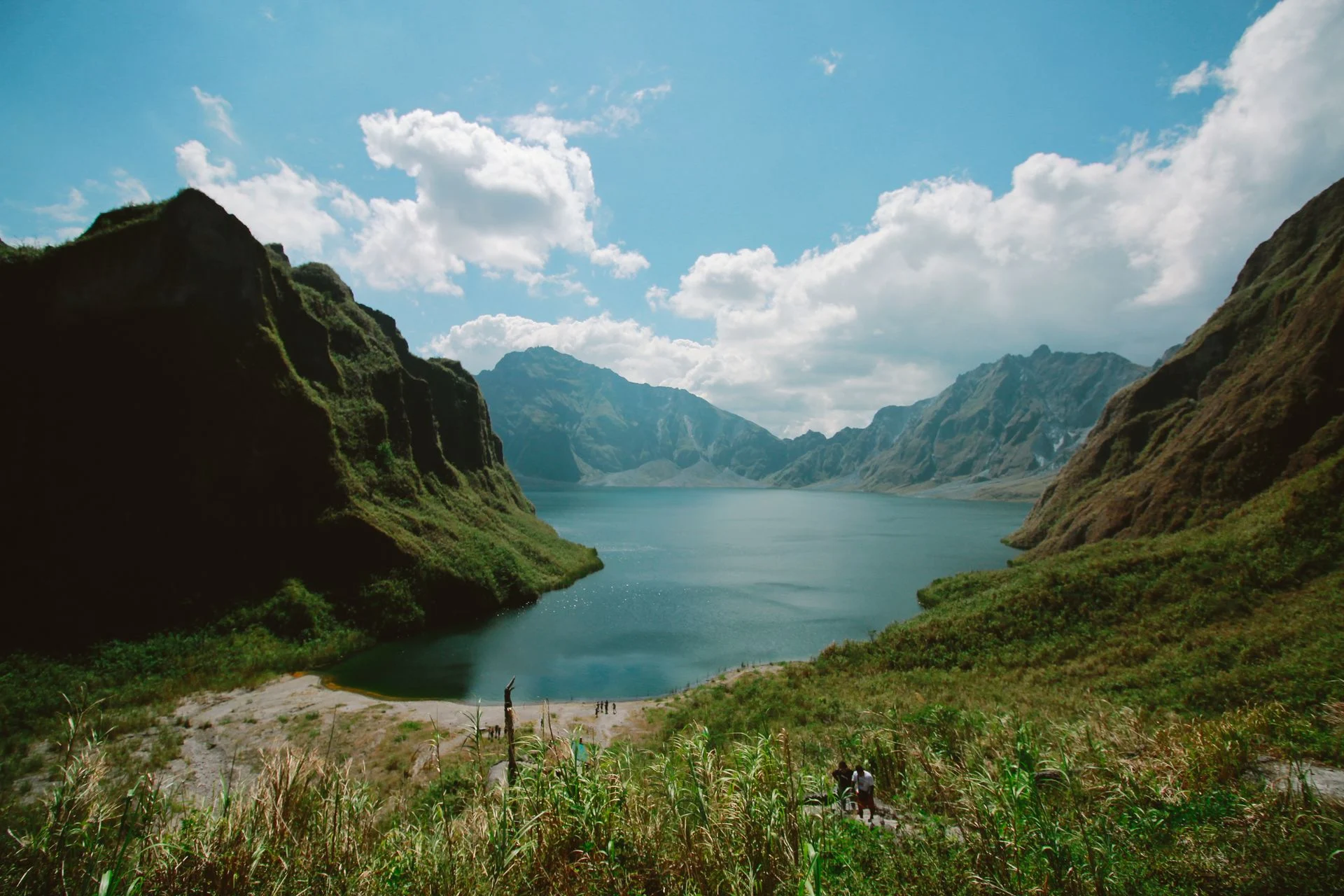
10. Mount Pinatubo (Philippines) Colossal Historic Eruption

Famed for its cataclysmic 1991 eruption—the 2nd largest terrestrial eruption of the 20th century—Pinatubo formed a breathtaking turquoise caldera lake surrounded by dramatic lahar canyons.
Why Visit: Off-road 4×4 Jeep ride through massive lahar valleys followed by a trek to the turquoise crater lake.
Best Time to Visit: November to May during the Philippine dry season.
Mount Bromo Indonesia Active Ash Crater
Click 2X to zoom image & Pan.
📍 East Java, Indonesia • Elev. 2,329 m • Active Crater

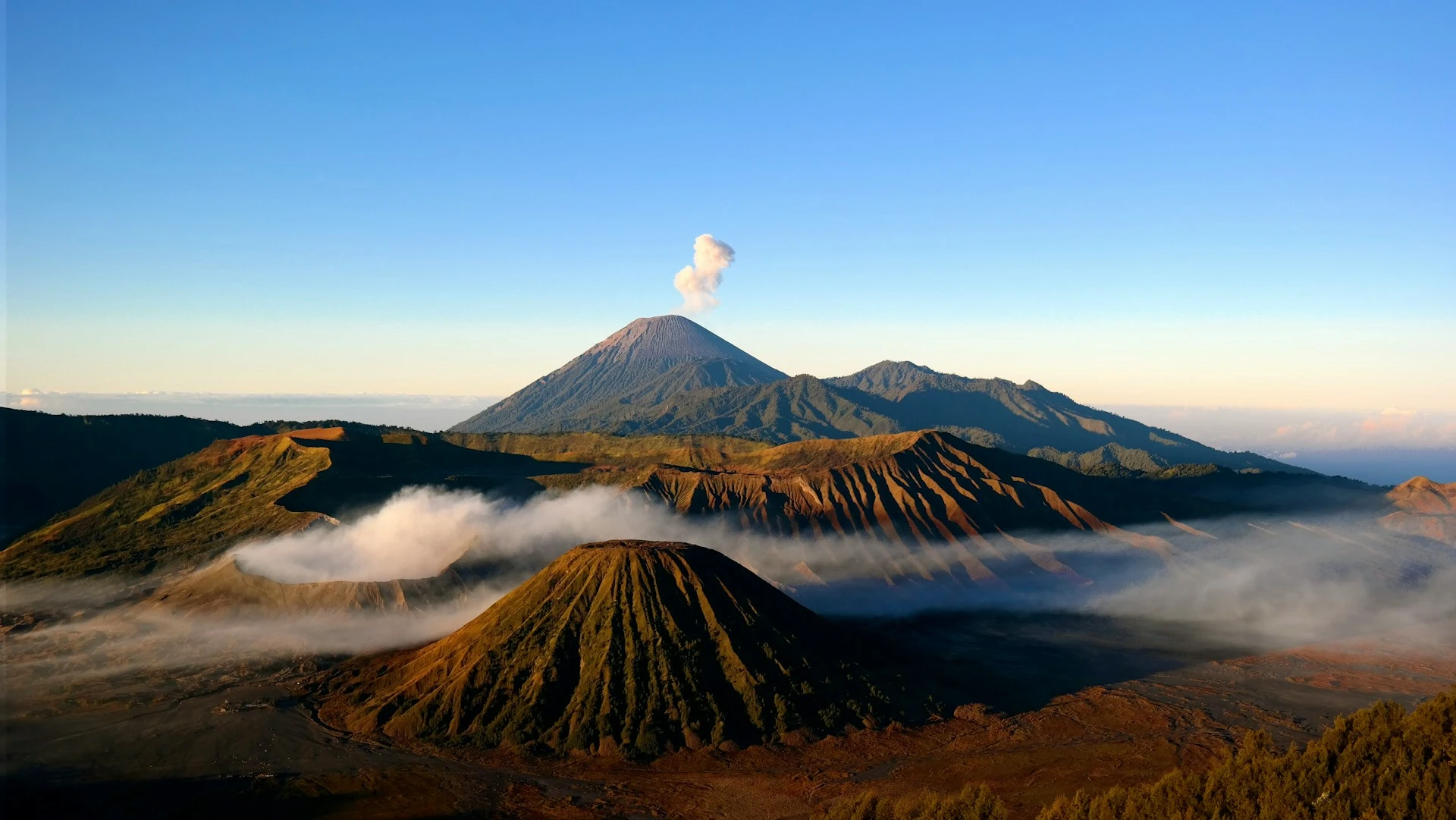
11. Mount Bromo (Indonesia) Steaming Sand Sea Crater

Rising out of the vast “Sea of Sand” in Tengger Caldera, Mount Bromo constantly belches sulfurous white ash smoke. Watching the sunrise from King Kong Hill with active peaks in the background is world-renowned.
Why Visit: Sunrise viewpoints over the Tengger caldera, horseback rides across the sand sea, and crater rim steps.
Best Time to Visit: April to October (Dry Season) for clear sunrise photography.
Mount Yasur Vanuatu Exploding Nighttime Magma
Click 2X to zoom image & Pan.
📍 Tanna Island, Vanuatu • Elev. 361 m • Strombolian Crater

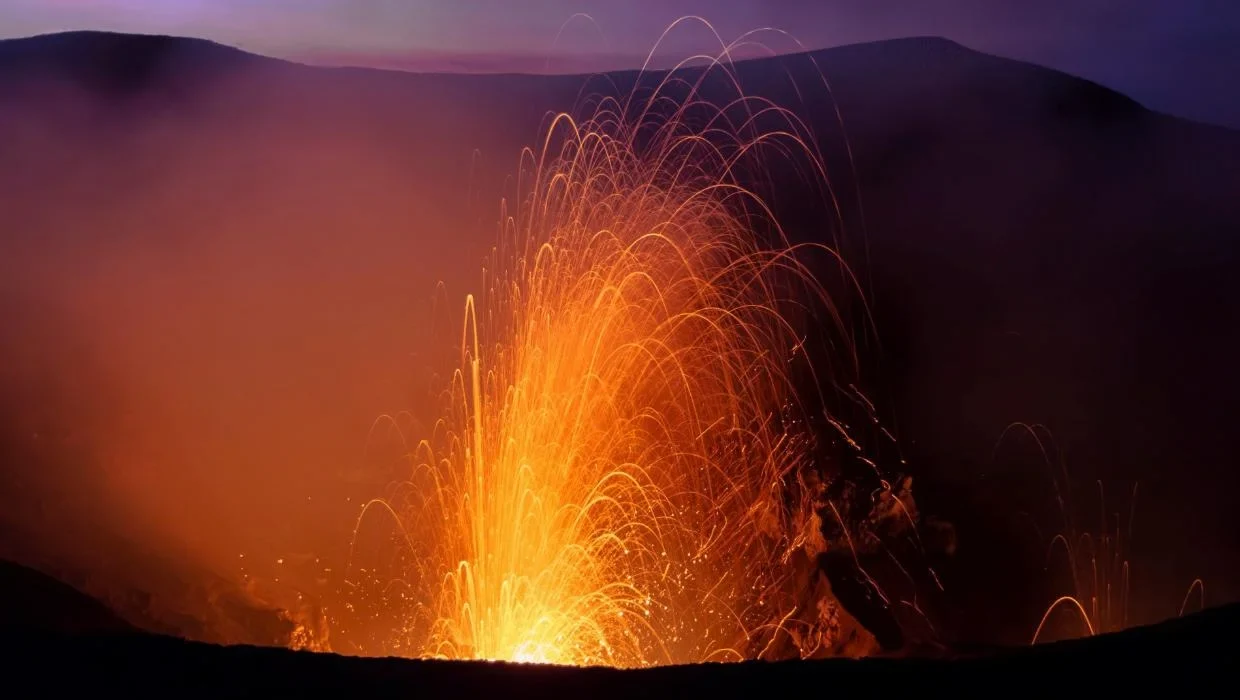
12. Mount Yasur (Vanuatu) Accessible Magma Explosions

Known as the “Lighthouse of the Pacific,” Mount Yasur has been erupting continuously for centuries. It offers the world’s most accessible crater rim where visitors can stand feet away from exploding magma bursts.
Why Visit: Peer directly into Strombolian magma explosions at night from the crater rim.
Best Time to Visit: May to October during drier South Pacific weather.
Arenal Volcano Costa Rica Geothermal Hot Springs
Click 2X to zoom image & Pan.
📍 Alajuela, Costa Rica • Elev. 1,670 m • Resting Stratovolcano

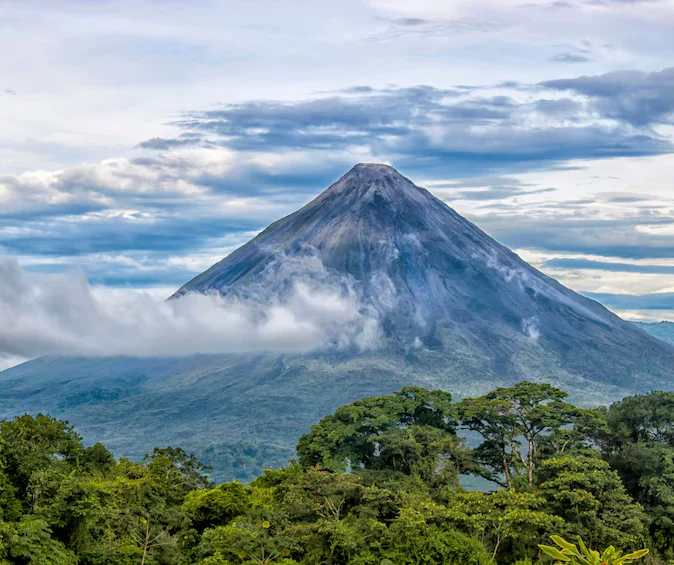
13. Arenal Volcano (Costa Rica) Geothermal Thermal Springs

Towering over Costa Rican rainforests, Arenal is famous for its perfectly iconic symmetrical cone and deep geothermal magma chambers that feed dozens of natural luxury thermal hot spring resorts.
Why Visit: Soaking in natural hot spring rivers, rainforest canopy ziplining, and hiking 1968 lava flow fields.
Best Time to Visit: December to April for clear cone views.
Ol Doinyo Lengai Tanzania Carbonatite Volcano
Click 2X to zoom image & Pan.
📍 Arusha Region, Tanzania • Elev. 2,962 m • Carbonatite Volcano

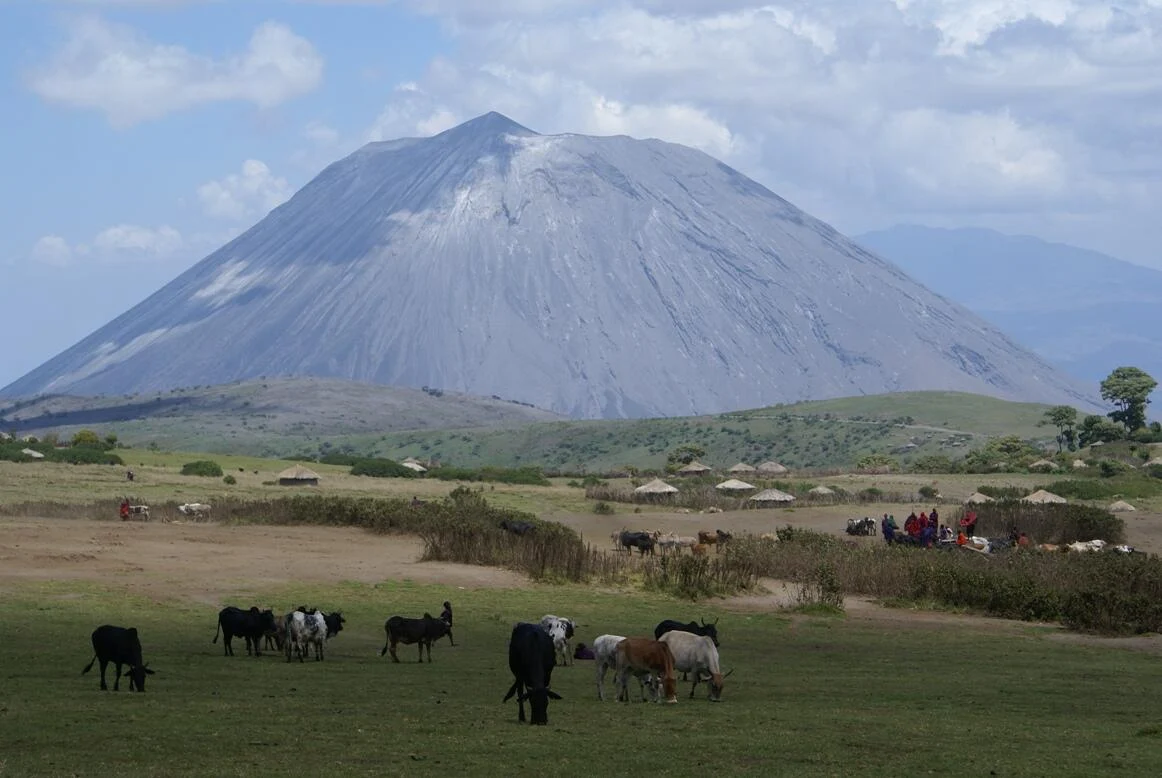
14. Ol Doinyo Lengai (Tanzania) Unique Cold Carbonatite Lava

Known as the “Mountain of God” by the Maasai, it is the only active volcano on Earth that erupts natrocarbonatite lava—a cool, dark lava (~500°C) that turns bone-white upon contact with moisture.
Why Visit: Extremely rare black carbonatite lava flows and summit views over Lake Natron.
Best Time to Visit: June to September (Dry Season).
Mount St Helens Washington Active Blast Crater
Click 2X to zoom image & Pan.
📍 Washington, USA • Elev. 2,549 m • Active Stratovolcano

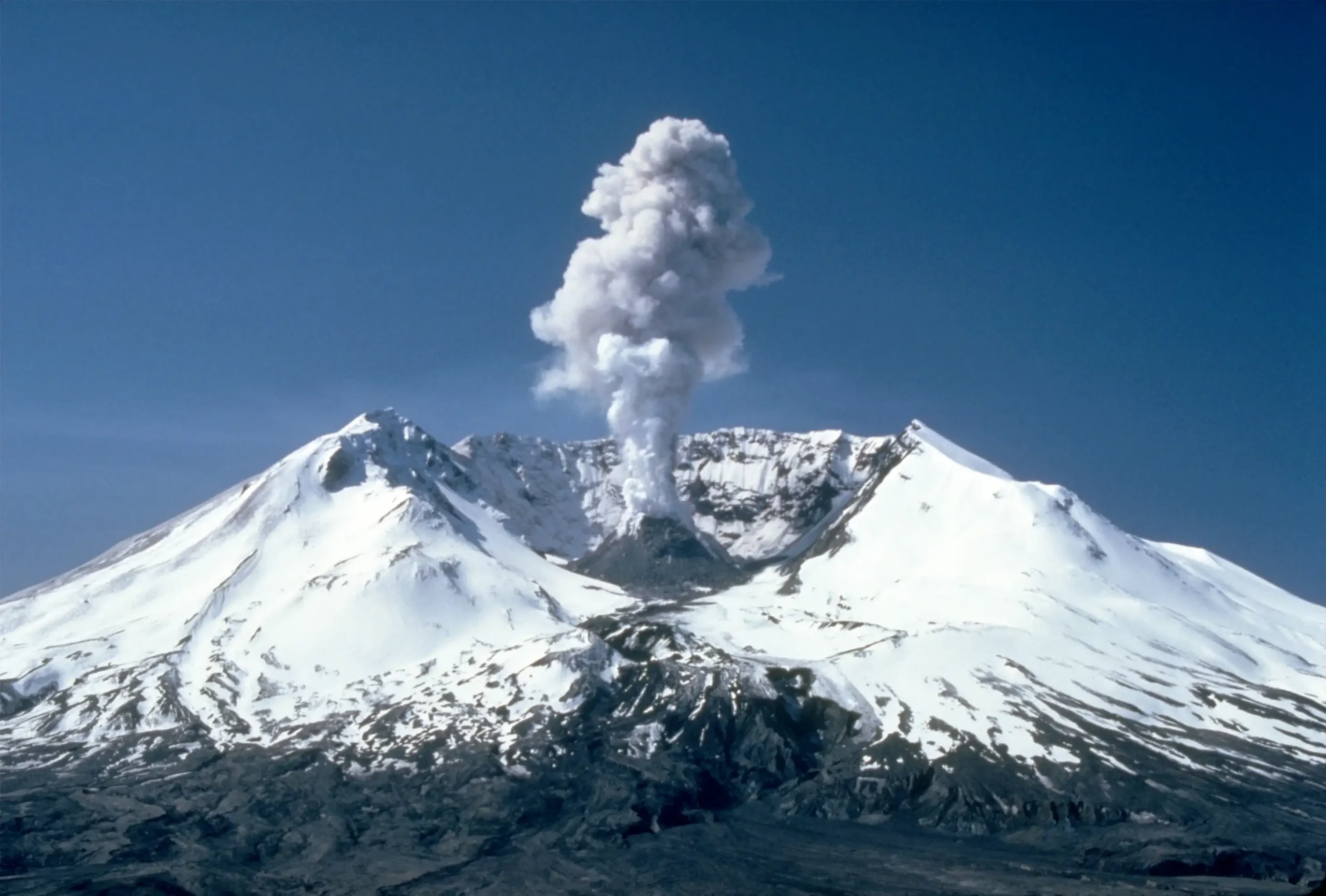
15. Mount St. Helens (USA) Historic Blast Crater

Famous for its catastrophic May 18, 1980 eruption, Mount St. Helens collapsed its summit and created a gaping horseshoe crater. Today, it stands as a living ecosystem laboratory for volcanic recovery.
Why Visit: Johnston Ridge Observatory overlooking the crater lava dome and Ape Cave lava tube walks.
Best Time to Visit: June to September when high altitude trails open.
Mount Mayon Philippines Active Perfect Cone Volcano
Click 2X to zoom image & Pan.
📍 Albay, Bicol, Philippines • Elev. 2,463 m • Active Stratovolcano

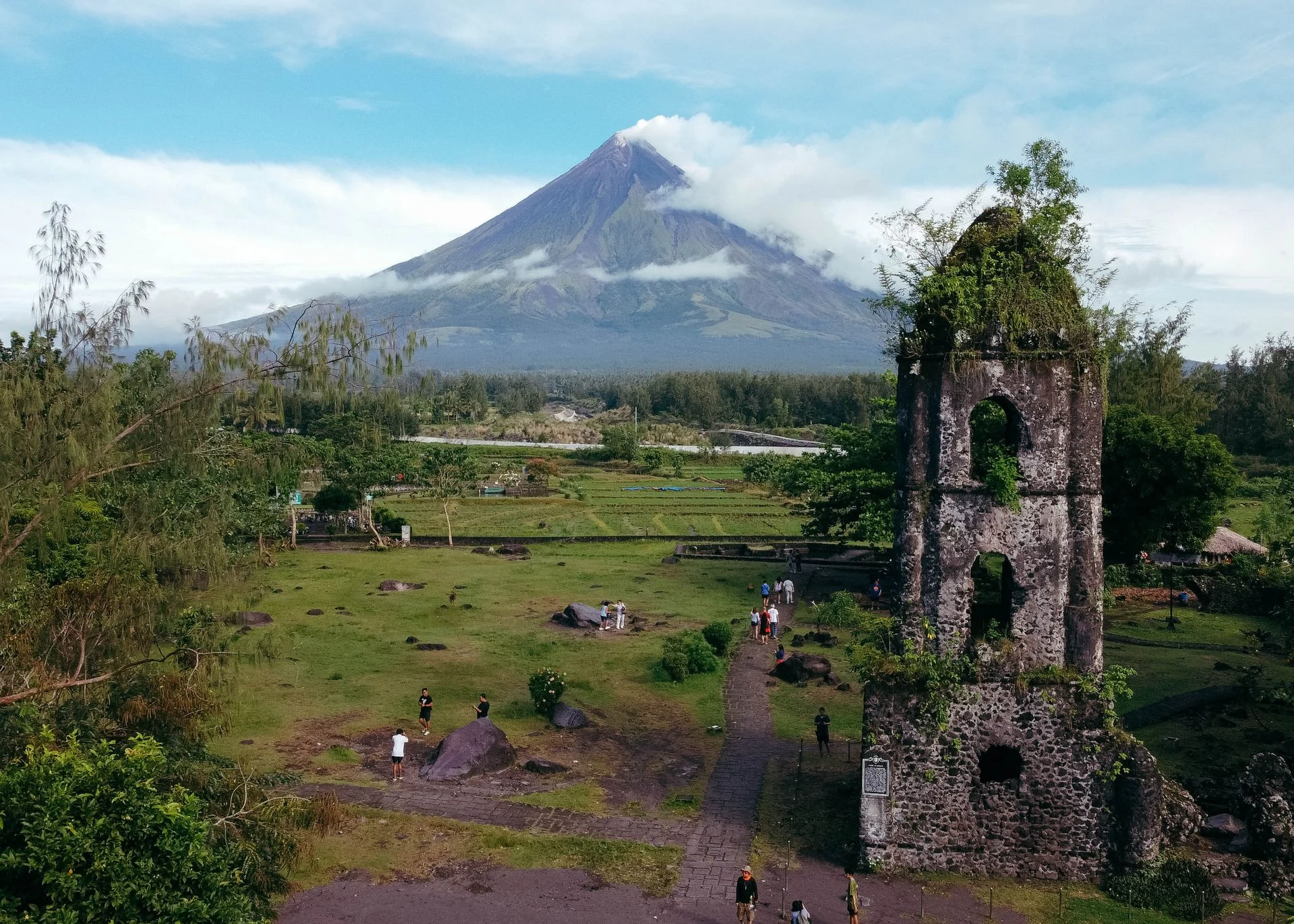
16. Mount Mayon (Philippines) World’s Most Perfect Cone

Renowned worldwide for its perfectly symmetrical conical shape, Mayon is the Philippines’ most active volcano, frequently displaying pyroclastic flows, lava fountaining, and summit crater glows.
Why Visit: ATV lava wall tours, Cagsawa Ruins park, and panoramic Bicol region vistas.
Best Time to Visit: March to May during the Philippine summer season.
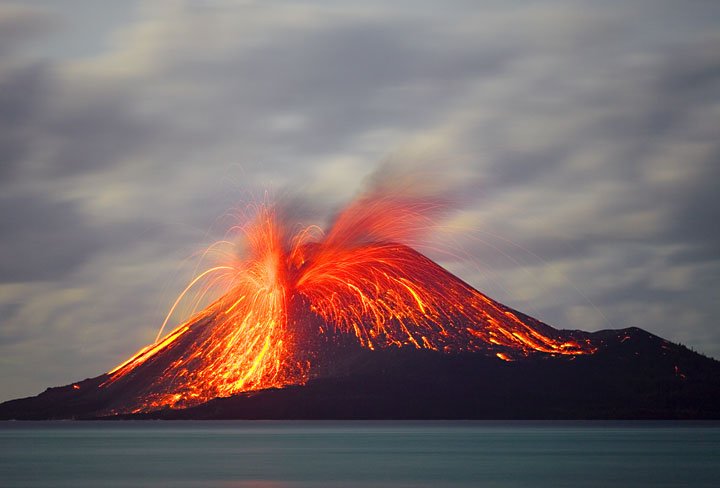
Anak Krakatau Sunda Strait Explosive Eruption
Click 2X to zoom image & Pan.
📍 Sunda Strait, Indonesia • Active Island Caldera

17. Krakatoa / Anak Krakatau (Indonesia) Explosive Island Caldera

Site of the catastrophic 1883 eruption that detonated with the loudest sound in recorded history. Its offspring, *Anak Krakatau* (“Child of Krakatoa”), continuously emerges from the sea with active strombolian bursts.
Why Visit: Boat expeditions in the Sunda Strait to observe active island lava eruptions and marine volcanic reefs.
Best Time to Visit: May to October during dry sea passage months.
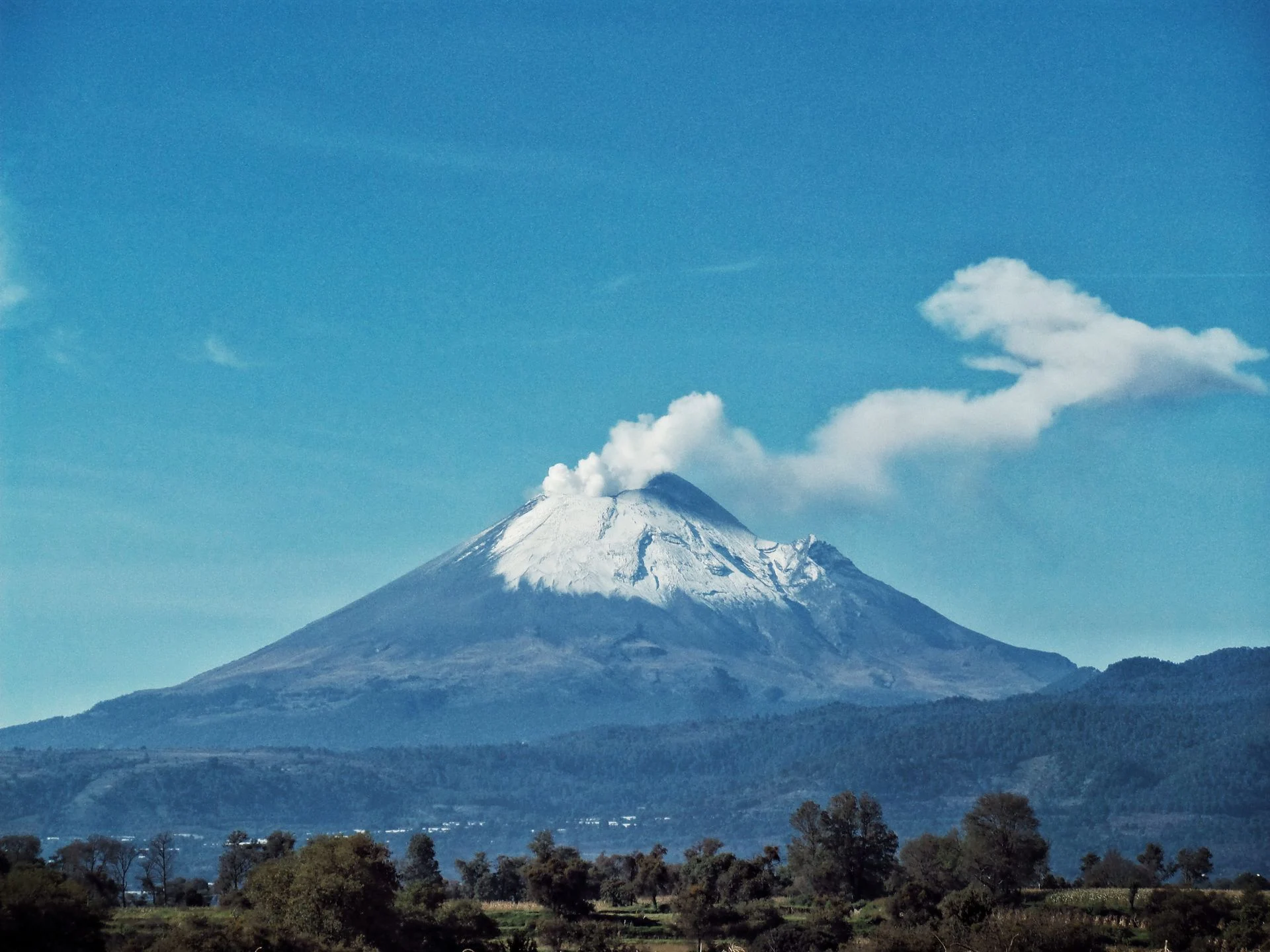
Popocatepetl Mexico Active Smoking Stratovolcano
Click 2X to zoom image & Pan.
📍 Puebla/Morelos, Mexico • Elev. 5,426 m • Highly Active Peak

18. Popocatépetl (Mexico) Active Smoking Glacier Peak

Affectionately called *El Popo*, Mexico’s second-highest peak is an active stratovolcano that regularly ejects ash clouds and glowing incandescent rocks into the sky near Mexico City and Puebla.
Why Visit: Paso de Cortés mountain pass views and scenic volcanic park trails outside safety exclusion zones.
Best Time to Visit: November to April (Dry Winter Months).
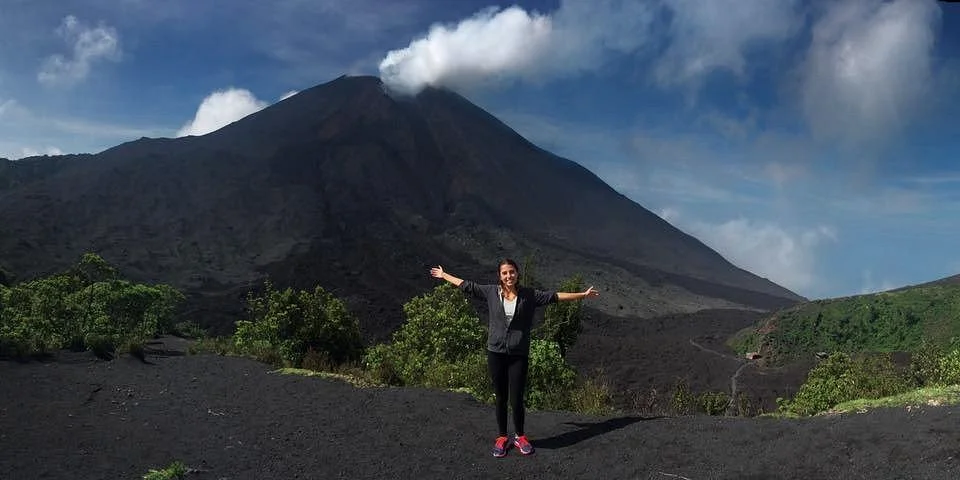
Pacaya Guatemala Active Lava Stream
Click 2X to zoom image & Pan.
📍 Escuintla, Guatemala • Elev. 2,552 m • Active Strombolian

19. Pacaya (Guatemala) Active Marshmallow Lava Vents

One of Central America’s most accessible active volcanoes. Hikers trek across warm, black basalt lava rivers and roast marshmallows over steaming geothermal fissure vents near Antigua.
Why Visit: Roasting marshmallows over volcanic heat vents and walking across fresh black basalt flows.
Best Time to Visit: November to April for dry weather trail hikes.
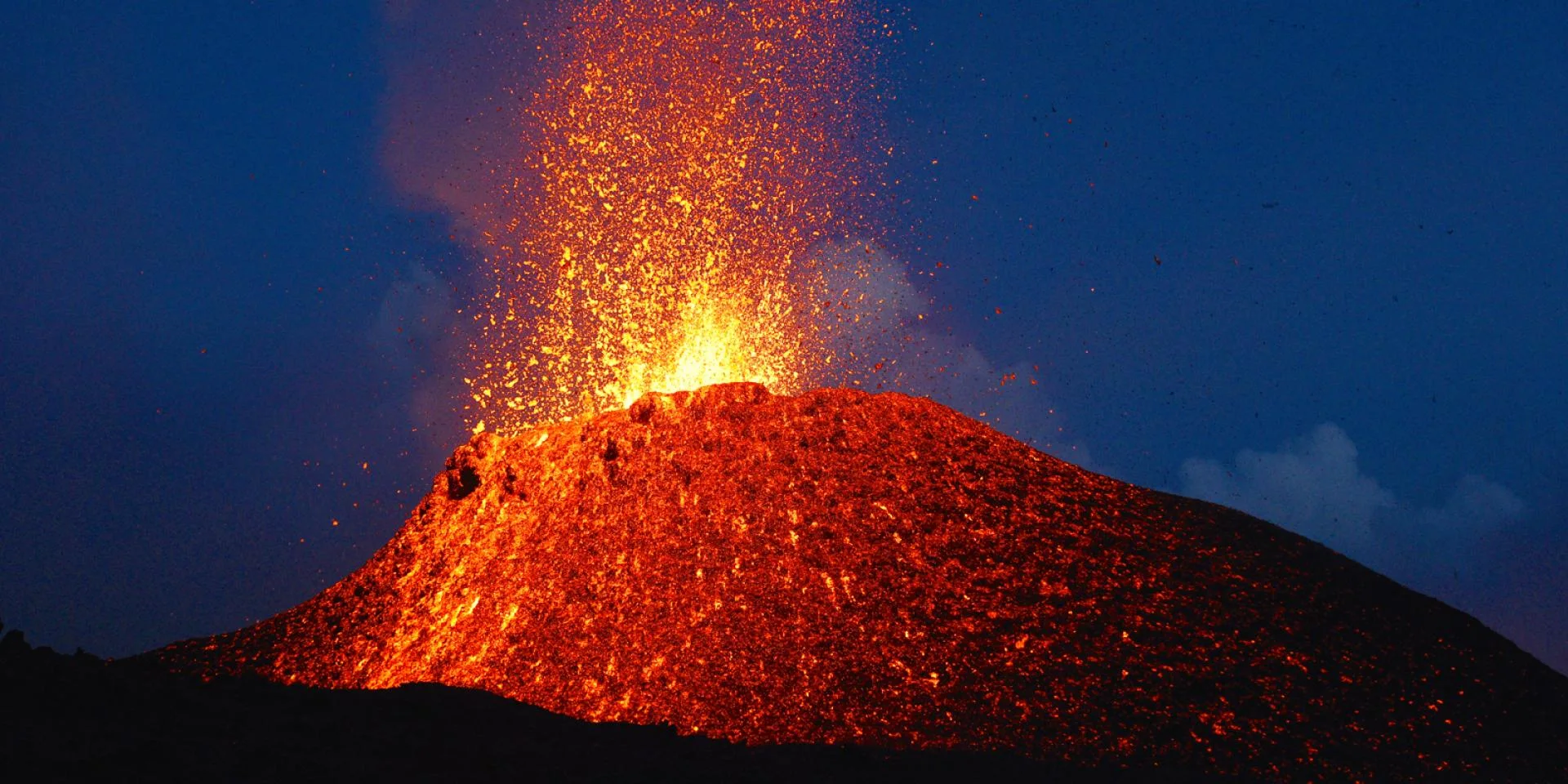
Piton de la Fournaise Active Shield Volcano Island
Click 2X to zoom image & Pan.
📍 La Réunion (France), Indian Ocean • Elev. 2,632 m • Shield Volcano

20. Piton de la Fournaise (Réunion Island) High Frequency Lava Flows

Located on Réunion Island in the Indian Ocean, Piton de la Fournaise is one of Earth’s most active shield volcanoes, producing spectacular non-explosive basaltic lava fountains inside an uninhabited caldera.

Why Visit: Walking inside the Enclos Fouqué lunar caldera, lava tube cave exploration, and volcanic flight tours.
Best Time to Visit: May to November for dry island conditions.

🛡️ Essential Volcano Tourist & Hiker Safety Guidance Advice

  • Check Volcanic Alert Levels: Before visiting active peaks (such as Kīlauea, Etna, or Merapi), check official local volcanology hazard bulletins.
  • Carry Protective Gear: Pack a gas mask or N95 respirator for toxic sulfur dioxide gas, along with shatterproof safety goggles against ash fall.
  • Wear Sturdy Ankle-High Boots: Volcanic ash, loose scree, and sharp basalt rock cut through thin footwear quickly.
  • Hire Licensed Volcanic Guides: Certified local guides know emergency evacuation routes and real-time gas concentration zones.
  • Stay Within Designated Trail Boundaries: Never cross barriers onto fragile crater crusts or active thermal vents.