

🇹🇱 Travel Guide to Timor-Leste — The Rising Sun of Southeast Asia
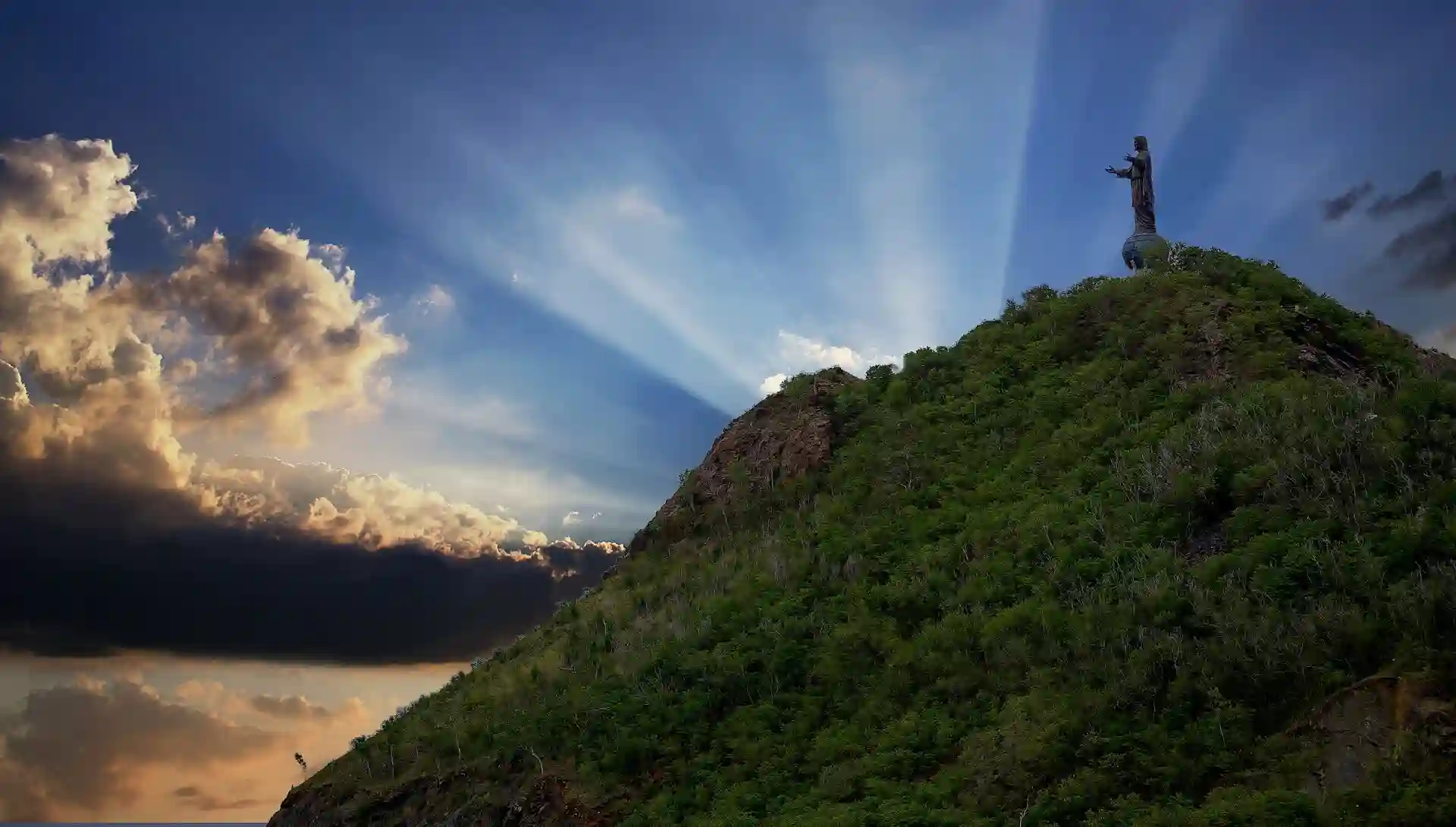
This comprehensive travel guide to Timor-Leste will help you discover one of Southeast Asia's newest and most rewarding destinations. From the stunning Cristo Rei statue overlooking Dili to the pristine coral reefs of Atauro Island, this travel guide to Timor-Leste covers everything you need to plan an unforgettable journey. As the youngest nation in Southeast Asia, Timor‑Leste offers travellers an authentic glimpse into a land of dramatic mountains, turquoise waters, and resilient culture. Whether you're diving with whale sharks, trekking through the highlands, or experiencing traditional Timorese hospitality, this travel guide to Timor-Leste is your essential companion.
⚠️ Important Travel Advisory: Timor‑Leste is an emerging destination with limited infrastructure. This travel guide to Timor-Leste is intended for informational purposes. Comprehensive travel insurance, careful planning, and cultural sensitivity are essential.
📢 AdSense Leaderboard #1 (728x90 or responsive)
📊 Quick Facts
- Capital: Dili 💡 A vibrant waterfront city with Portuguese colonial heritage
- Currency: US Dollar (USD) 💡 Timor‑Leste uses the US dollar – very convenient for international travellers
- Language: Tetum, Portuguese, English 💡 Tetum and Portuguese are official; English is spoken in tourist areas
- Population: 1.3 million (2026 est.)
- Area: 14,874 km²
- Time Zone: UTC +9 (TLT)
📅 Plan Your Perfect Trip with This Travel Guide to Timor-Leste
When planning your travel guide to Timor-Leste, the tropical climate has two distinct seasons. The best time to visit Timor‑Leste is during the dry season (May–November) when the weather is warm, sunny, and perfect for diving, hiking, and exploring. The wet season (December–April) brings heavy rainfall and can cause road closures, but also creates lush, vibrant landscapes. The months of September–November offer the best diving visibility. This travel guide to Timor‑Leste will help you plan the perfect trip for every season.
Best for: Diving, island hopping, hiking – warm weather and clear skies
Best for: Lush landscapes and budget travel – expect afternoon downpours
Best for: Clear waters – whale sharks, coral reefs, and world‑class marine life
Best for: Highlands and mountain treks – cooler weather and dry trails
📢 AdSense Leaderboard #2 (728x90 or responsive)
🛂 Visa Information for Your Travel Guide to Timor-Leste
Visa‑Free Access: Citizens of 20+ countries can enter Timor‑Leste without a visa for stays up to 30 days, including Australia, New Zealand, Japan, South Korea, Singapore, Malaysia, and the Philippines. Most other nationalities can obtain a visa on arrival at Dili Airport for a fee of USD 30 for up to 30 days. For a complete travel guide to Timor‑Leste, verify your requirements before booking.
🌍 Visa‑Free Countries (Select List)
📋 Other Visa Types
- Visa on Arrival Available for most nationalities – USD 30, valid for 30 days, extendable
- Student Visa For academic study – requires enrolment at a recognised Timorese institution
- Work Visa For employment – requires a job offer and work permit approval
🔗 Official Resource: Timor‑Leste Immigration Department
📚 Trusted Resources for Your Travel Guide to Timor-Leste
- Tourism Timor-Leste Official tourism information
- Smartraveller – Timor-Leste Australian government travel advisory
- Lonely Planet – Timor-Leste Travel information and attractions
🌍 Explore our other guides: Indonesia · Philippines · Australia
💡 Key Travel Tips for Your Timor-Leste Adventure
US dollar is official – bring small bills; cash is essential, ATMs limited to Dili
Try ikan saboko (grilled fish with lime), batar daan (corn and bean stew), and fresh coffee
Motorbike rentals are common; hire a 4x4 for highlands; Dili has taxis and minibuses (mikrolet)
Timor-Leste is deeply Catholic – respect religious sites and traditions; Sunday is a day of rest
Malaria and dengue are present – use repellent; consider vaccinations for hepatitis A and typhoid
🏙️ Top Cities and Destinations to Visit in Timor-Leste
The vibrant capital – Cristo Rei, Tais market, Resistance Museum, and beautiful waterfront
💡 Best time: May–NovThe diver's paradise – pristine coral reefs, whale sharks, and spectacular marine life
💡 Best time: Sep–NovUninhabited paradise – powdery white sands, turquoise water, and untouched reefs
💡 Best time: May–NovThe second-largest city – Portuguese colonial charm, hot springs, and mountain views
💡 Best time: Jun–OctThe highland retreat – lush coffee plantations, waterfalls, and cooler temperatures
💡 Best time: Jun–OctThe highest point in Timor‑Leste – sunrise views over the island nation
💡 Best time: Jun–OctThe Timorese exclave in Indonesian West Timor – rich history and unique culture
💡 Best time: May–NovThe eastern hub – beautiful beaches, traditional villages, and mystical cave systems
💡 Best time: May–Nov📢 AdSense Leaderboard #3 (728x90 or responsive)
🏨 Top Hotels in Timor-Leste
Accommodation in Timor‑Leste ranges from budget guesthouses to boutique hotels. Book in advance, especially during the dry season.
⚠️ Please note: Many hotels require direct booking via email or phone. Online reservation platforms are limited.
🎓 Top Universities in Timor-Leste
Dili
Visit Website → 🏆 The national university and the oldest in Timor‑LesteDili
Contact directly 📚 Catholic teacher training institute📘 Higher education in Timor‑Leste is still developing. Many students pursue tertiary education overseas.
🌺 Culture & Cuisine in Timor-Leste
Timor‑Leste's culture is a unique blend of indigenous Timorese traditions, Portuguese colonial influence, and Catholic faith. The country is deeply Catholic – approximately 97% of the population identifies as such – and this is reflected in the many churches and religious festivals. Traditional Timorese culture includes the use of tais (hand‑woven textiles) and uma lulik (sacred houses), which play an important spiritual role. The country celebrates a number of festivals, including Independence Day (20 May), Dili Carnival (April), and the Ramelau Festival in June.
Timorese cuisine is simple, fresh, and flavourful. Staple foods include rice, corn, and cassava, often served with ikan saboko (grilled fish marinated in lime and spices), batar daan (a hearty corn and bean stew), and caril (curry). Coffee is grown in the highlands and is considered some of the best in the world. Fresh tropical fruits, including papaya, mango, banana, and passionfruit, are abundant.
Dress codes are modest, especially in villages and churches. Sunday is a day of rest and church attendance. The Portuguese influence is still visible in the language, architecture, and even the cuisine – many Timorese speak some Portuguese.
🇹🇱 Ready to explore Timor-Leste?
Start planning your journey to Southeast Asia's newest and most authentic destination.
Read Our Full Travel Guide →This travel guide to Timor‑Leste is your ultimate resource for understanding this young and resilient nation. Discover its stunning coastlines, towering mountains, and warm hospitality through our expert insights and practical advice.