
🇵🇬 Travel Guide to Papua New Guinea — The Last Frontier
This comprehensive travel guide to Papua New Guinea will help you discover one of the world's last great frontiers of adventure travel. From the bustling capital of Port Moresby to the legendary Kokoda Track and the crocodile-infested waters of the Sepik River, this travel guide to Papua New Guinea covers everything you need to plan an unforgettable journey. As the second-largest Oceanian country and home to over 800 languages, Papua New Guinea offers travellers a breathtaking blend of ancient tribal traditions, pristine coral reefs, active volcanoes, and dense rainforests. Whether you're trekking the Owen Stanley Range, diving in Kimbe Bay, or witnessing a traditional sing-sing in the Highlands, this travel guide to Papua New Guinea is your essential companion. 2026 is the perfect time to visit, with the Hello Poro campaign offering tourism packages that make planning simpler while giving you more out of the experience.
Papua New Guinea is home to over 800 languages, making it the most linguistically diverse country on Earth.
⚠️ Important Travel Advisory — Level 2: Exercise Increased Caution: The New Zealand government advises exercising increased caution in Papua New Guinea due to violent crime and the potential for civil unrest. Australian authorities advise reconsidering travel to some areas due to high levels of serious crime. This travel guide to Papua New Guinea provides practical advice for making the most of your visit.
📢 AdSense Leaderboard #1 (728x90 or responsive)
📊 Quick Facts
- Capital: Port Moresby 💡 The coastal capital and main port of entry
- Currency: Papua New Guinean Kina (PGK) 💡 Cash is king outside Port Moresby
- Language: Tok Pisin, English 💡 Tok Pisin is the lingua franca; English is official but not universally understood
- Population: ~9 million (2026 est.)
- Area: 462,840 km²
- Time Zone: UTC +10 / +11 (PGT)
📅 Plan Your Perfect Trip with This Travel Guide to Papua New Guinea
When planning your travel guide to Papua New Guinea, the tropical climate offers warm weather year‑round, but the seasons make a difference. The dry season from May to October is the most popular time to visit, offering ideal conditions for trekking, diving, and attending cultural festivals. The wet season from November to April brings heavier rainfall and lush green landscapes, but travel can be more challenging, especially in remote areas. This travel guide to Papua New Guinea will help you plan the perfect trip for every season.
Best for: Kokoda Track, highland festivals, diving — clear skies and lower humidity
Best for: Lush landscapes, fewer crowds — heavy rain, flooding, and landslides possible
Goroka Show (Sep) · Mount Hagen Show (Aug) · Mask & Warwagira Festival (Jul)
Celebrating independence from Australia in 1975 — national pride and festivities
📢 AdSense Leaderboard #2 (728x90 or responsive)
🛂 Visa Information for Your Travel Guide to Papua New Guinea
Visa‑on‑Arrival & E‑Visa: Most visitors to Papua New Guinea require a visa. Citizens of many countries can obtain a 60‑day visa on arrival at Jacksons International Airport (POM) for approximately 100 PGK. The ICA eVisa portal allows online applications for selected visa categories. All travellers must complete a Digital Arrival Card (DAC) online up to 72 hours before arrival. Citizens of eligible Melanesian Spearhead Group (MSG) member countries may have different entry arrangements. For a complete travel guide to Papua New Guinea, verify your requirements before booking.
📋 Entry Requirements
- E‑Visa / Visitor Visa Valid for a single-entry stay of up to 60 days — apply online via the ICA portal
- Passport Validity Must be valid for at least six months from the date of intended entry
- Digital Arrival Card (DAC) Mandatory for all travellers — complete online up to 72 hours before arrival
- Return Ticket Proof of onward or return travel is required
🔗 Official Resources: PNG ICA eVisa Portal · Digital Arrival Card · Official PNG Tourism
📚 Trusted Resources for Your Travel Guide to Papua New Guinea
- Papua New Guinea Tourism — Official Official tourism board of Papua New Guinea
- UNESCO — Papua New Guinea World Heritage sites, including the Kuk Early Agricultural Site
- Kokoda Track Authority Official information for trekking the Kokoda Track
- Lonely Planet — Papua New Guinea Travel information and attractions
🌍 Explore our other guides: Fiji · Solomon Islands · Vanuatu
💡 Key Travel Tips for Your Papua New Guinea Adventure
The Kina (PGK) is official — cash is essential outside Port Moresby; budget $100–250 per day
Try mumu (the national dish), kokoda (raw fish in coconut cream), and fresh tropical fruit
Domestic flights (Air Niugini, PNG Air) are the primary way to travel — there is no national road network
Learn basic Tok Pisin — respect local customs; ask permission before photographing people
Malaria is present — take prophylaxis, use insect repellent, and consider a polio booster
Avoid walking at night in Port Moresby and Lae; travel with reputable guides; keep valuables hidden
🏔️ Top Cities and Destinations to Visit in Papua New Guinea
The capital — Port Moresby Nature Park, National Museum and Art Gallery, and Varirata National Park
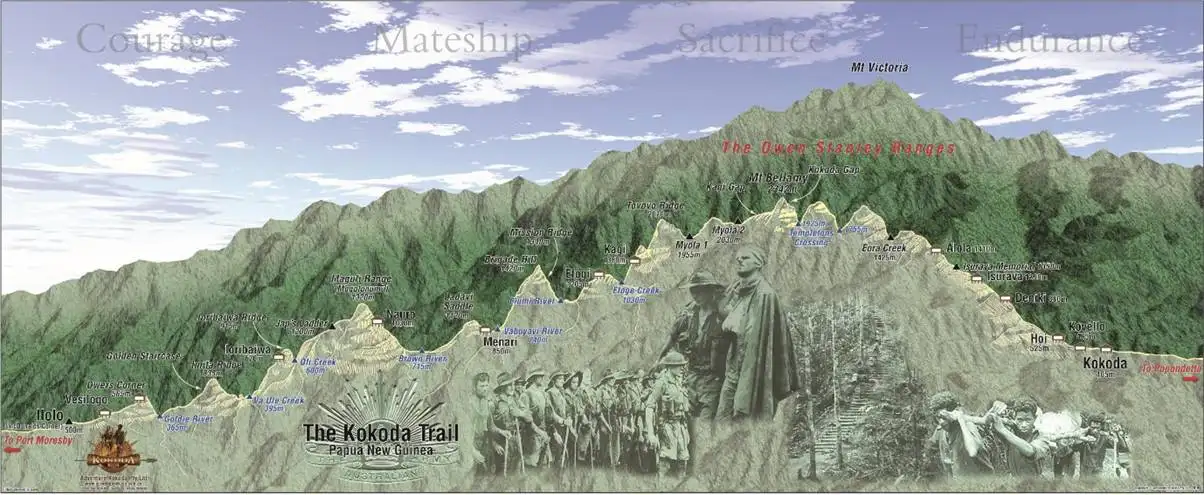
💡 Best time: May–OctA 96‑km WWII trail across the Owen Stanley Range — one of the world's great multi‑day treks
💡 Best time: Apr–NovOne of the world's great river systems — crocodile cults, spirit houses, and rich artistic traditions
💡 Best time: May–OctThe Goroka Show (Sep) and Mount Hagen Show (Aug) — extraordinary tribal sing-sings
💡 Best time: Aug–SepWorld‑class diving — coral gardens, WWII wrecks, and the Tawali Skull Cave
💡 Best time: May–OctA UNESCO World Heritage site — evidence of agricultural development for 7,000–10,000 years
💡 Best time: May–Oct📢 AdSense Leaderboard #3 (728x90 or responsive)
🏨 Top Hotels in Papua New Guinea
Papua New Guinea offers a range of accommodation from luxury hotels in Port Moresby to eco‑lodges and guesthouses in remote areas. Book well in advance, especially during the dry season.
Mount Hagen / Goroka
Contact directly 🏡 Family‑run guesthouses in the Highlands⚠️ Please note: Hotel availability may be limited outside Port Moresby. Book well in advance, especially from May to October.
🎓 Top Universities in Papua New Guinea
Lae
Visit Website → 🏆 A leading technical universityPort Moresby
Visit Website → 📚 The oldest and largest university in PNGEast New Britain
Visit Website → 🌿 Focused on agriculture and environmental science📘 Papua New Guinea has a growing higher education sector with several institutions recognised regionally.
🌺 Culture & Cuisine in Papua New Guinea
Papua New Guinea's culture is one of the most diverse on Earth, with over 800 distinct languages spoken among its 9 million people. The country is home to hundreds of tribal groups, each with its own traditions, customs, and ceremonial practices. The Goroka Show (September) and Mount Hagen Show (August) are among the country's most iconic cultural events, bringing together hundreds of tribal groups in full ceremonial dress — elaborate face paint, bird of paradise feathers, and traditional dances. The Mask & Warwagira Festival in East New Britain celebrates the extraordinary mask traditions of the region. The Sepik River region is renowned for its artistic traditions, including elaborate spirit houses, crocodile cults, and intricate wood carvings.
Papua New Guinea is one of the most biodiverse places on Earth — 5–10% of all species on the planet live here, including birds of paradise, tree kangaroos, and the world's largest butterfly. The country's Kuk Early Agricultural Site is a UNESCO World Heritage site, revealing evidence of agricultural development for 7,000–10,000 years.
Papua New Guinean cuisine is built around staple crops like root vegetables, bananas, and sago. The national dish is mumu, composed of pork or chicken, sweet potato, rice, and vegetables cooked in an earth oven filled with hot stones. Other popular dishes include kokoda (raw fish marinated in lime and coconut cream) and saksak (sago dumplings). The diet is largely vegetarian, especially in the Highlands, with seafood widely consumed in coastal areas.
Tok Pisin (Pidgin English) is the lingua franca and widely spoken. English is official but not universally understood outside cities. Learning basic Tok Pisin phrases helps enormously. Dress codes are modest; ask permission before photographing people. The country is deeply traditional, and respect for local customs is essential.
🇵🇬 Ready to explore Papua New Guinea?
Start planning your adventure to the Last Frontier with our expert guides and resources.
Read Our Full Travel Guide →This travel guide to Papua New Guinea is your ultimate resource for planning an unforgettable trip to one of the world's most diverse and adventurous destinations. Start your adventure today with our expert tips, insider recommendations, and practical advice.