
 Travel Guide to Croatia 2026: Dubrovnik, Split, Plitvice & the Islands
Planning to visit Croatia? This travel guide to Croatia covers everything for a first trip: where Croatia is, the best time to go, Schengen entry rules (EES and ETIAS), the 10 best places to visit, a 7-day coastal itinerary, realistic costs, safety tips, and the best hotels and universities. From the city walls of Dubrovnik and Diocletian's Palace in Split to the waterfalls of Plitvice Lakes, the islands of Hvar and Korčula and the hill towns of Istria, Croatia is one of the most beautiful coastlines in Europe.
Last updated: October 2026 · Entry rules and taxes in this travel guide to Croatia were checked against official sources

📊 Quick Facts for Your Travel guide to Croatia
- Capital: Zagreb💡 A lively Central European city
- Currency: Euro (EUR)💡 Since January 2023. Check today's rate
- Language: Croatian💡 English is widely spoken on the coast
- Population: About 3.8 million💡 2026 estimate
- Area: 56,594 km²💡 Plus 1,244 islands, islets and reefs
- Time zone: UTC+1 (UTC+2 in summer)💡 Central European Time. Convert times
- UNESCO sites: 10💡 Including Dubrovnik, Split, Plitvice Lakes and Šibenik Cathedral
- Power: 230 V, plug types C and F💡 Standard European plugs
ℹ️ Figures in this travel guide to Croatia are 2026 estimates from official and international sources.
📍 Where Is Croatia?
Croatia curves like a crescent along the Adriatic Sea in south-east Europe. It borders Slovenia and Hungary to the north, Serbia to the east, and Bosnia and Herzegovina and Montenegro to the south. Its regions include Istria and Kvarner in the north-west, Dalmatia along the central and southern coast, and the green interior around Zagreb and Slavonia. Italy lies across the Adriatic, linked by ferries.
Fly into Split or Dubrovnik for the coast, or Zagreb for Plitvice and the north. Jadrolinija and catamaran ferries connect the islands. Check the distance from your city with our distance calculator.
📅 Best Time to Visit Croatia
The best time to visit Croatia is May to June and September, when the sea is warm, the weather is sunny and ferries are running, but crowds and prices are lower than in peak summer. July and August are hot, lively and busy, especially in Dubrovnik, Split and Hvar. Plitvice Lakes are at their fullest in spring. In winter many coastal hotels close, but Zagreb's Advent market is one of Europe's best.
Waterfalls at their fullest and quiet old towns.
Island hopping, festivals and nightlife; book early.
Warm sea, harvest season and fewer crowds.
Zagreb Advent markets and city breaks.
📅 Use the seasons in this travel guide to Croatia to match your trip to the weather, festivals and prices you want.
🛂 Croatia Visa & Entry Requirements (Schengen)
Schengen rules apply: Croatia is in the EU and the Schengen Area. Citizens of the USA, UK, Canada, Australia, New Zealand and many other countries can visit visa-free for up to 90 days in any 180-day period across the whole Schengen Area. EU citizens only need an ID card. Other nationalities need a Schengen visa before travel.
- PassportValid at least 3 months after you leave the Schengen Area, and issued within the last 10 years.
- Entry/Exit System (EES)Fully running since April 2026: non-EU visitors have fingerprints and a photo taken at the border on their first visit.
- ETIASA new online travel authorisation (€20) for visa-free visitors, expected in late 2026. It is not required yet, so check before you fly and use only the official EU website.
- Main airportSplit (SPU) for central Dalmatia, Dubrovnik (DBV) for the south and Zagreb (ZAG) for the interior.
🔗 Official sources: Croatian Ministry of Foreign Affairs · EU: EES and ETIAS. Entry rules change, so always confirm before booking.
🛂 Entry rules in this travel guide to Croatia were last checked in October 2026.
🏝️ 10 Best Places to Visit in Croatia
These are the places we recommend most in this travel guide to Croatia, with the best months to see each one.
Walk the city walls, ride the cable car up Mount Srđ and explore the marble Old Town.
💡 Best time: May–Jun, Sep–OctLive inside Diocletian's Roman Palace and stroll the Riva promenade.
💡 Best time: May–Oct16 turquoise lakes linked by waterfalls and wooden boardwalks.
💡 Best time: Apr–Jun, Sep–OctLavender fields, a Venetian town square and buzzing nightlife.
💡 Best time: Jun–SepA walled medieval town said to be Marco Polo's birthplace.
💡 Best time: May–SepThe Sea Organ, the Greeting to the Sun and famous sunsets.
💡 Best time: May–SepWaterfalls and walking trails near Šibenik.
💡 Best time: Apr–OctHill towns, truffles, olive oil and a Venetian harbour town.
💡 Best time: May–OctThe Upper Town, museums, café culture and the Advent market.
💡 Best time: Apr–Jun, Sep–DecPebble beaches under mountains, and the famous Zlatni Rat beach.
💡 Best time: Jun–Sep🗺️ 7-Day Croatia Itinerary for First-Time Visitors
A classic coastal route from Split to Dubrovnik with island stops by ferry.
Follow this route from our travel guide to Croatia day by day, or shorten it to fit your trip.
- Split: Diocletian's Palace, the cathedral bell tower and the Riva at sunset.
- Krka or Plitvice: a day trip to the waterfalls (Plitvice is a long day from Split).
- Hvar: catamaran to Hvar Town; climb to the fortress and swim at the Pakleni Islands.
- Korčula: ferry on; the old town walls and local wine.
- Dubrovnik: ferry or bus south; walk the city walls in late afternoon.
- Dubrovnik: the cable car, Lokrum island or a sea-kayak trip.
- Depart: a morning in Cavtat or Ston, then fly home from Dubrovnik.
➕ With more time: add Zadar and Plitvice on a road trip from Zagreb, or Istria's Rovinj and hill towns.
💵 How Much Does a Trip to Croatia Cost?
Croatia's coast is mid-priced for Europe, with big jumps in July and August. These are approximate daily costs per person in 2026, excluding flights. Use our currency converter to see them in your own currency.
| Travel style | Per day (approx.) | What it covers |
|---|---|---|
| Budget | €60–100 | Hostels or private rooms (sobe), bakeries, buses and slow ferries |
| Mid-range | €140–240 | Apartments or hotels, seafood restaurants, catamarans and tours |
| Luxury | €400 + | Boutique hotels, sailing trips and fine dining |
💡 All prices in this travel guide to Croatia are per person, per day, and change with the season and exchange rates.
🎟️ Dubrovnik's city walls and Plitvice Lakes have high summer ticket prices; Plitvice requires a timed ticket booked online in peak season.
💡 Safety & Travel Tips for Your Travel guide to Croatia
Croatia is very safe for travellers. Watch for pickpockets in crowded old towns in summer, and be careful on slippery marble streets. Wear water shoes for rocky beaches and sea urchins, and take the summer sun and heat seriously. A few areas in the interior near the Bosnian border still have unexploded landmines from the 1990s war, so stay on marked paths when hiking off the beaten track.
Catamarans between Split, Hvar and Dubrovnik sell out in summer.
Timed tickets are required in peak season.
Most beaches are pebbles or rocks.
Croatia no longer uses the kuna.
Some old towns fine people for walking shirtless.
"Hvala" (thank you) and "Dobar dan" (good day).
🏨 Best Hotels in Croatia: 8 Top Picks
Stay inside or close to the old towns in Dubrovnik and Split, and choose a harbour-front hotel on the islands.
Classic views of the Old Town walls across the sea.
Check prices on Booking.com →Terraces over the sea with a boat to the Old Town.
Check prices on Booking.com →A large resort with pools and a beach.
Check prices on Booking.com →A classic 1921 hotel near Bačvice beach.
Check prices on Booking.com →Terraced rooms facing Rovinj's old town.
Check prices on Booking.com →Cascading pools on a bay near the town.
Check prices on Booking.com →Suites in an 18th-century bishop's palace.
Check prices on Booking.com →An Art Deco landmark built for Orient Express passengers.
Check prices on Booking.com →🔎 How we chose for this travel guide to Croatia: hotels are picked for location, reputation and a spread of regions and styles. Prices and availability change daily, so the buttons open live Booking.com results for each property.
🤝 Affiliate disclosure: hotel buttons are affiliate links. If you book through them, AtlasWise may earn a small commission at no extra cost to you. It never changes which hotels we list.
🎓 Top Universities in Croatia
Croatia's universities offer affordable study in the EU, with growing English-taught programmes.
| University | City | Type |
|---|---|---|
| University of Zagreb | Zagreb | Public |
| University of Split | Split | Public |
| University of Rijeka | Rijeka | Public |
| University of Zadar | Zadar | Public |
| University of Dubrovnik | Dubrovnik | Public |
Croatia's oldest and largest university, dating from 1669.
Visit website →Strong in marine science, medicine and engineering.
Visit website →A modern campus on the Kvarner coast.
Visit website →Rooted in a university founded in 1396.
Visit website →Known for maritime studies and tourism.
Visit website →🔎 How we chose for this travel guide to Croatia: the leading universities in Croatia by size and reputation. Last checked: October 2026.
🌺 Croatian Culture & Food
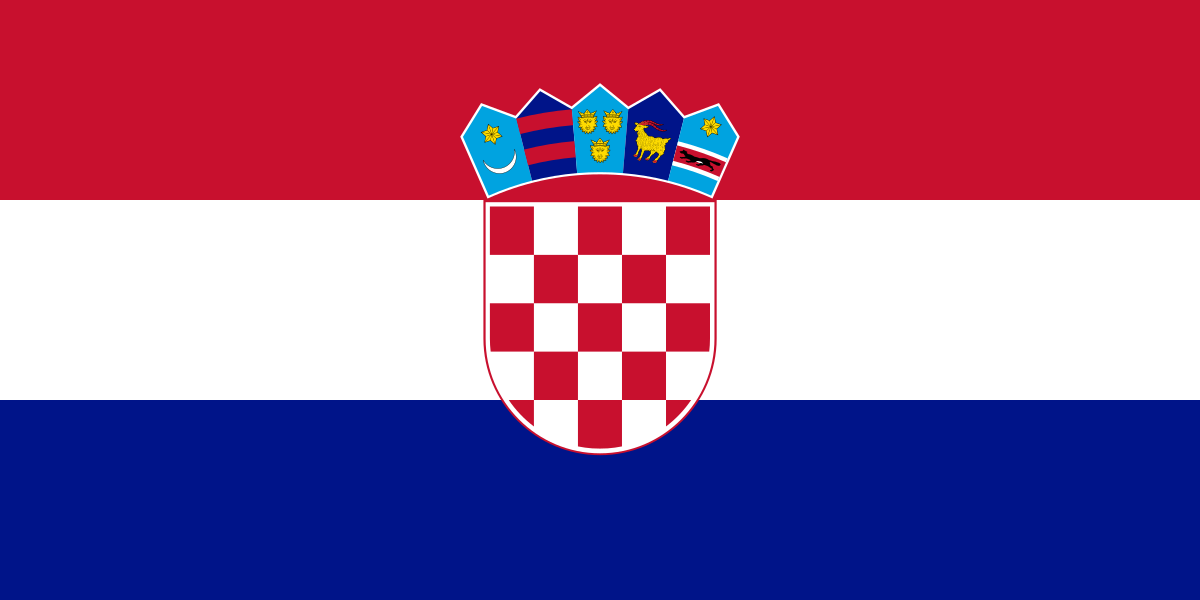
Croatian culture blends Central European, Venetian and Mediterranean influences. Listen for klapa, a cappella singing from Dalmatia (on UNESCO's intangible heritage list), look out for the red-and-white šahovnica checkerboard, and remember the necktie (cravat) was a Croatian invention. Summer brings open-air festivals in Dubrovnik, Split and Zadar.
On the coast, try grilled fish, black risotto (crni rižot), pašticada beef stew, peka (meat and vegetables slow-cooked under a bell), Ston oysters, Dalmatian pršut ham and Pag cheese. In Istria, everything comes with truffles and olive oil; wash it down with Plavac Mali or Malvazija wine.
❓ Travel Guide to Croatia: FAQ
Do I need a visa for Croatia?
US, UK, Canadian, Australian and many other citizens can visit visa-free for 90 days in any 180 under Schengen rules. ETIAS is expected in late 2026 but is not required yet.
What currency does Croatia use?
The euro (EUR), since January 2023.
What is the best time to visit Croatia?
May to June and September, for warm seas with fewer crowds.
Is Dubrovnik or Split better?
Split is a better base for islands and national parks; Dubrovnik has the most famous old town. Most first trips include both.
Do I need to book Plitvice Lakes tickets in advance?
Yes in peak season: tickets are timed and sold online.
How many days do you need in Croatia?
Seven days covers Split, two islands and Dubrovnik; ten to fourteen days lets you add Plitvice and Istria.
Is Croatia safe?
Yes, very. Stay on marked paths in remote inland areas near the Bosnian border.
Is Croatia in the Schengen Area?
Yes, since January 2023, so there are no passport checks with Slovenia and Hungary.
📚 Trusted Resources for Your Travel guide to Croatia
- Croatian National Tourist BoardOfficial tourism portal
- JadrolinijaFerry timetables and tickets
- UNESCO: CroatiaWorld Heritage Sites in Croatia
Finished this travel guide to Croatia? 🌍 More Adriatic & Central Europe guides: Montenegro · Slovenia · Hungary · Italy · All of Europe
⚖️ Compare Croatia with other countries in Compare Countries.
🏛️ Planning a bucket list? See the 20 best World Heritage Sites to visit.
 Ready to plan Croatia?
Use our free travel tools to compare costs, time zones and distances, or browse our printable AtlasWise guides for other destinations.
Free travel tools → Browse AtlasWise travel guides🔖 Bookmark this travel guide to Croatia and check it again before you fly: we update entry rules, prices and hotels regularly.