
🇲🇱 Travel Guide to Mali — Heartland of West African Empire & Music
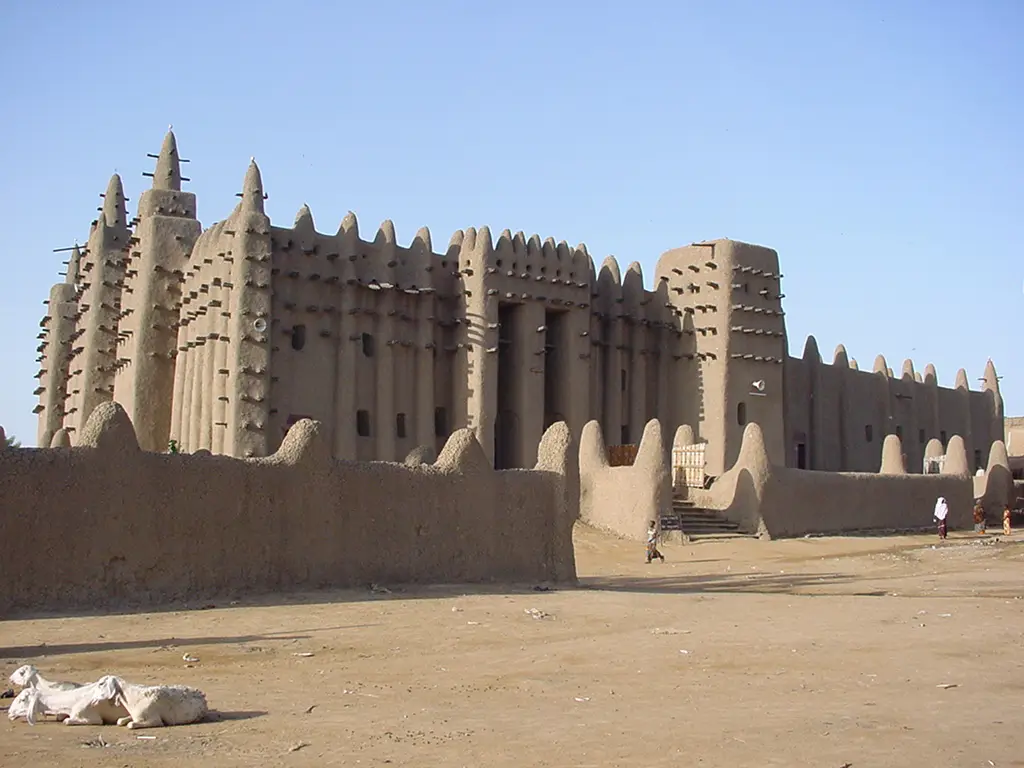
This comprehensive travel guide to Mali will help you navigate one of West Africa's most legendary, culturally resonant, and historically magnificent nations. From the vibrant banks of the Niger River in the capital Bamako to the awe-inspiring adobe architectural marvel of the UNESCO-listed Great Mosque of Djenné, the legendary desert crossroads of Timbuktu, and the cliffside villages of Bandiagara (Dogon Country), this travel guide to Mali covers everything you need to know. Once the seat of the wealthy Mali Empire ruled by Mansa Musa, Mali blends ancient Saharan trade heritage, world-famous West African blues music, intricate Mudcloth (Bògòlanfini) textile arts, and the gentle rhythm of traditional pinasse boats cruising the Niger River. Whether visiting artisan markets in Segou, exploring ancient mud-brick cities, or discovering traditional musical rhythms, this travel guide to Mali serves as your essential resource.
Mali is home to the Great Mosque of Djenné—the world's largest mud-brick structure—and centuries-old Islamic scholarly manuscript libraries preserved in Timbuktu.
📌 Travel Notice: Foreign travelers visiting Mali should monitor local travel advisories, hire accredited local guides for regional excursions outside Bamako, and ensure all necessary regional travel registrations are completed.
📢 AdSense Leaderboard #1 (728x90 or responsive)
📊 Quick Facts
- Capital: Bamako 💡 Located along the banks of the Niger River
- Currency: West African CFA Franc (XOF) 💡 Pegged to Euro; cash economy across cities
- Language: Bambara (National) & French 💡 Bambara is spoken by over 80% of the population
- Population: ~24.5 million (2026 est.)
- Area: 1,240,192 km²
- Time Zone: UTC +0 (GMT)
📅 Plan Your Perfect Trip with This Travel Guide to Mali
When consulting your travel guide to Mali, timing your journey according to seasonal weather patterns is crucial. Mali features three main seasons: cool dry, hot dry, and rainy. The cool dry season from November to February is the ideal time to travel, offering pleasant temperatures (25°C–32°C / 77°F–90°F) and clear skies—perfect for exploring Bamako, river cruises in Ségou, and visiting cultural heritage sites. The hot dry season (March to May) brings soaring temperatures exceeding 40°C (104°F) alongside dry Harmattan winds from the Sahara. The rainy season (June to October) brings lush green scenery and full river waterways ideal for boat navigation on the Niger River. Use this travel guide to Mali to plan your travel window.
Best for: Ségou cultural festivals, city sightseeing, Niger River boat trips, and outdoor markets
Best for: High river water levels for pinasse boat journeys between Ségou and Mopti
Festival sur le Niger (Ségou) (Feb) · Annual replastering of Djenné Mosque (Crépissage)
National celebration honoring independence established in 1960 — parades, music, and festivities
📢 AdSense Leaderboard #2 (728x90 or responsive)
🛂 Visa Information for Your Travel Guide to Mali
Pre-Arrival Visa & Entry Rules: Most foreign nationals (excluding passport holders from ECOWAS member countries) require an official tourist visa obtained prior to travel via Malian diplomatic embassies or consulates. A valid passport with at least 6 months remaining validity past your planned stay and at least two blank visa pages is mandatory. An official International Certificate of Vaccination for Yellow Fever is strictly required upon entry at Modibo Keïta International Airport (BKO) in Bamako and land border crossings. Review this travel guide to Mali for essential travel prerequisites.
📋 Entry Requirements
- Embassy Visa (ECOWAS Exempt) Must be obtained before arrival via Malian embassy or consulate
- Passport Validity Must be valid for at least 6 months beyond arrival date
- Yellow Fever Vaccination Mandatory yellow card vaccination certificate required upon entry
- Hotel Confirmation & Itinerary Proof of return flight ticket and accommodation details required
🔗 Official Resources: UNESCO World Heritage Mali · Bamako Capital Information
📚 Trusted Resources for Your Travel Guide to Mali
- UNESCO — Mali World Heritage Djenné, Timbuktu, Dogon Country & Tomb of Askia
- Lonely Planet — Mali Cultural overview, regional highlights, and travel tips
- BCEAO Official Portal West African CFA Franc currency and exchange guidelines
🌍 Explore our other West African guides: Senegal · Mauritania · Morocco
💡 Key Travel Tips for Your Mali Adventure
The West African CFA Franc (XOF) is standard — carry cash in Euros or CFA; cards are accepted mainly at top Bamako hotels
Savor Tigadègenè (peanut butter stew), Capitaine fish from the Niger River, Poulet Yassa, and refreshing hibiscus Bissap tea
Take a sunset wooden pinasse boat ride along the Niger River in Bamako or Ségou for iconic views
Purchase authentic hand-dyed Mudcloth (Bògòlanfini) made using fermented mud and natural plant dyes in Ségou
Greetings are very important — always ask about family and health using traditional Bambara greetings like "I ni sôgôma"
Drink strictly sealed bottled water, use mosquito repellent, and carry printed copies of your passport at checkpoints
🏔️ Top Cities and Destinations to Visit in Mali
Ancient UNESCO earthen trade city — home to the world's largest mud-brick mosque and vibrant Monday market
💡 Best time: Nov–FebCapital metropolis — National Museum of Mali, Grand Market, Point G hill panoramas, and live West African blues venues
💡 Best time: Year-roundColonial capital of the Bambara Kingdom — Mudcloth craft workshops, pottery villages, and Festival sur le Niger
💡 Best time: Nov–FebLegendary Saharan caravan gateway — Djinguereber Mosque, Sankore Madrasa, and historic Islamic manuscript libraries
💡 Best time: Nov–FebUNESCO cliffside cultural landscape — cliff dwellings, ancient astronomy traditions, and ceremonial mask dances
💡 Best time: Nov–FebBusy river port city at the confluence of the Niger and Bani rivers — vibrant pinasse boat building yards and markets
💡 Best time: Nov–FebHistoric capital of the Songhai Empire — featuring the pyramidical UNESCO mud-brick Tomb of Askia built in 1495
💡 Best time: Nov–FebSouthern agricultural center — lush fruit orchards, Mamelon hill, ancient Tata defence wall remains, and waterfalls
💡 Best time: Nov–Mar📢 AdSense Leaderboard #3 (728x90 or responsive)
🏨 Top Hotels in Mali
Hotels in Mali range from international 5-star business hotels in Bamako to riverside guesthouses and cultural lodges in Ségou and Mopti.
ACI 2000, Bamako
Visit Website → 🏆 Premier 5-star luxury hotel featuring outdoor swimming pool and spaFleuve, Bamako
Visit Website → 🏨 Established 5-star luxury riverbank hotel situated in central BamakoCity Center, Bamako
Visit Website → 🏬 Historic luxury business hotel in downtown commercial districtBamako
Contact directly 🏨 Comfortable boutique hotel featuring traditional Sudanese architectureSégou Riverfront
Contact directly ⛵ Charming colonial riverfront guesthouse overlooking the Niger RiverMopti
Contact directly 🏨 Riverside hotel catering to river boat travelers and tour groupsACI 2000, Bamako
Contact directly 🏨 Modern business hotel located near embassies and government officesSikasso City
Contact directly 🌿 Popular regional hotel serving southern agricultural center travelers⚠️ Please note: Hotel capacity in Bamako and Ségou peaks during cultural events like the Festival sur le Niger. Booking in advance is recommended.
🎓 Top Universities in Mali
Kabala Campus, Bamako
Visit Website → 🏆 Major public university specializing in humanities, linguistics & social sciencesBamako
Visit Website → 🔬 Premier public science & medical university in MaliBamako
Visit Website → ⚖️ Leading public university training lawyers, magistrates & political scientistsSégou
Contact directly 🌾 Public regional university focusing on agriculture, agronomy & engineering📘 Higher education in Mali follows the LMD (Licence-Master-Doctorat) framework recognized across Francophone West Africa.
🌺 Culture & Cuisine in Mali
Mali's cultural legacy is world-renowned for its musical traditions, storytelling bards (Griots), and distinctive Sudano-Sahelian mud architecture. Recognized globally as the birthplace of West African blues, Mali has birthed international music icons such as Ali Farka Touré, Salif Keita, Oumou Sangaré, and Tinariwen. Traditional griots preserve oral histories, genealogies, and epic poetry accompanied by the 21-stringed Kora harp and Balafon wooden xylophone.
Mali holds four UNESCO World Heritage sites: the Old Towns of Djenné, Timbuktu, the Cliff of Bandiagara (Dogon Country), and the Tomb of Askia in Gao. The ancient technique of creating Bògòlanfini (Mudcloth) involves dyeing hand-woven cotton using fermented river mud and natural tree leaves.
Malian cuisine is rich, savory, and centered around fresh grains, river fish, and peanut-based sauces. The national favorite dish is Tigadègenè (a rich stew made with ground roasted peanuts, lamb or beef, and tomatoes served over rice). Other staples include fresh Capitaine (Niger River perch served grilled or fried), Poulet Yassa (marinated chicken with caramelized onions and lemon sauce), and Fakoye (a traditional dark herbal sauce from northern Mali). Meals are typically rounded off with sweet hibiscus tea (Bissap) or warm ginger juice (Gnamakoudji).
Bambara is widely spoken alongside French. Warm greetings such as "I ni sôgôma" (Good morning) and "I ni chê" (Thank you) express respect in everyday interactions.
🇲🇱 Ready to explore Mali?
Start planning your cultural journey to Mali with our expert travel resources.
Read Our Full Travel Guide →This travel guide to Mali is your ultimate resource for planning an unforgettable trip across West Africa's historic empires and cultural heartland. Start your adventure today!