
🇸🇳 Travel Guide to Senegal — The Land of Teranga
This comprehensive travel guide to Senegal will help you discover West Africa's most accessible and welcoming nation. From the vibrant streets of Dakar to the UNESCO‑listed colonial town of Saint‑Louis, this travel guide to Senegal covers everything you need to plan an unforgettable journey. As the westernmost point of the African continent, Senegal offers travellers a perfect blend of pulsating music, pristine beaches, and profound history. Whether you're visiting the haunting Gorée Island, watching thousands of migratory birds in Djoudj National Sanctuary, or relaxing on the Petite‑Côte beaches, this travel guide to Senegal is your essential companion.
Senegal is considered one of the safest countries in West Africa, welcoming over 14 million visitors annually.
📢 AdSense Leaderboard #1 (728x90 or responsive)
📊 Quick Facts
- Capital: Dakar 💡 The vibrant heart of West Africa on the Atlantic coast
- Currency: West African CFA Franc (XOF) 💡 Pegged to the Euro at ~655.957 XOF/€
- Language: French (official), Wolof (lingua franca) 💡 Wolof is the everyday language
- Population: ~18.5 million (2026 est.)
- Area: 196,722 km²
- Time Zone: UTC +0 (GMT)
📅 Plan Your Perfect Trip with This Travel Guide to Senegal
When planning your travel guide to Senegal, the best time to visit is from November to mid‑February — the dry season with warm temperatures, low humidity, and prime birdwatching. The sweet spot is from November to mid‑February, offering dry, warm weather, cool nights, and still‑green landscapes. This travel guide to Senegal will help you plan the perfect trip for every season.
Best for: All activities — warm, dry, and low humidity
Best for: Budget travel and lush landscapes — expect heavy showers
Over a million migratory birds pass through Djoudj National Bird Sanctuary
Experience Mbalax rhythms and late‑night sabar drumming in Dakar's Médina
📢 AdSense Leaderboard #2 (728x90 or responsive)
🛂 Visa Information for Your Travel Guide to Senegal
Visa‑Free Access: Citizens of 60+ countries can enter Senegal without a visa for stays up to 90 days. These include the UK, US, Canada, Australia, New Zealand, Japan, South Korea, and most European nations. You only need a passport and proof of yellow fever vaccination. For a complete travel guide to Senegal, verify your requirements before booking.
🌍 Visa‑Free Countries (Select List)
📋 Other Visa Types
- Student Visa For academic study — requires enrolment at a recognised Senegalese institution
- Work Visa For employment — requires a job offer and work permit approval
🔗 Official Resources: Senegal Embassy — Visa Information
📚 Trusted Resources for Your Travel Guide to Senegal
- Visit Senegal — Official Tourism Official tourism board of Senegal
- UNESCO — Gorée Island World Heritage listing
- Lonely Planet — Senegal Travel information and attractions
🌍 Explore our other guides: The Gambia · Morocco · Ghana
💡 Key Travel Tips for Your Senegal Adventure
The West African CFA Franc (XOF) is official — cash is essential; cards are accepted in hotels and larger shops
Try thieboudienne (rice and fish — the national dish), yassa, and fresh grilled fish
Hiring a car with a driver‑guide for inter‑city travel costs €60–90/day
Teranga means hospitality — Senegalese people will feed you before you can pay
Yellow fever vaccination is required for entry; malaria prophylaxis is recommended
🏙️ Top Cities and Destinations to Visit in Senegal
The vibrant capital — African Renaissance Monument, Médina, and late‑night sabar drumming
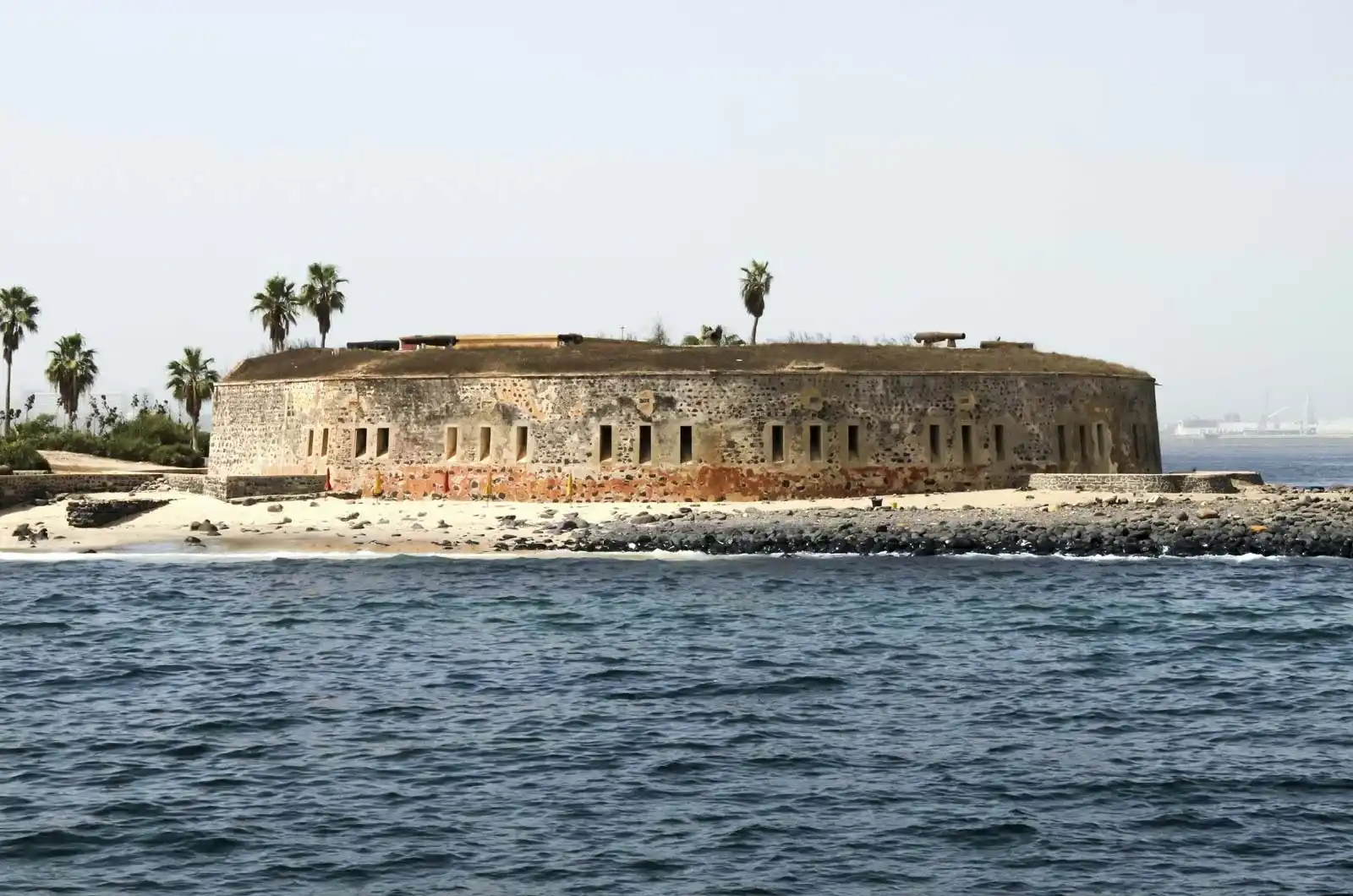
💡 Best time: Nov–FebUNESCO World Heritage site — the House of Slaves and the Door of No Return
💡 Best time: Nov–FebUNESCO‑listed colonial town with a bridge designed by Gustave Eiffel
💡 Best time: Nov–FebOver a million migratory birds — one of the world's great birdwatching destinations
💡 Best time: Nov–AprUnhurried pirogue mornings through mangrove channels
💡 Best time: Nov–FebStrikingly pink waters just outside Dakar
💡 Best time: Nov–FebGreen, beachy south — Cap Skirring's beaches and Diola villages
💡 Best time: Nov–FebUNESCO park with wildlife — new lodge offers comfortable accommodation
💡 Best time: Nov–Feb📢 AdSense Leaderboard #3 (728x90 or responsive)
🏨 Top Hotels in Senegal
Senegal offers a range of accommodation from luxury beachfront hotels to eco‑lodges and traditional guesthouses.
🎓 Top Universities in Senegal
Dakar
Visit Website → 🏆 The oldest and most prestigious university in Senegal🌺 Culture & Cuisine in Senegal
Senegalese culture is defined by teranga — a concept of hospitality so deep that strangers will feed you before you can pay. The country is famous for its music, particularly Mbalax, a genre that blends traditional rhythms with modern influences. Traditional Senegalese wrestling (laamb) is a national sport. The country is 77% Muslim and generally tolerant of other faiths.
Senegalese cuisine is built around fresh seafood, rice, and vegetables. The national dish is thieboudienne (also called ceebu jën) — a fragrant rice and fish dish. Other specialties include yassa (chicken or fish with onions and lemon), mafé (peanut stew), and grilled fish served with spicy onions and lemon. Fresh tropical fruits like mangoes, papayas, and watermelons are abundant. Meals are often served on a communal platter and eaten by hand, with a bowl of water for rinsing.
🇸🇳 Ready to explore Senegal?
Start planning your West African adventure with our expert guides and resources.
Read Our Full Travel Guide →This travel guide to Senegal is your ultimate resource for planning an unforgettable trip to the Land of Teranga. Start your adventure today with our expert tips, insider recommendations, and practical advice.