

🇰🇵 Travel Guide to North Korea (DPRK) — Beyond the Horizon of the Hermit Kingdom
This comprehensive travel guide to North Korea (officially the Democratic People's Republic of Korea — DPRK) provides essential information for understanding one of the world's most isolated and tightly regulated travel destinations. From the brutalist Soviet-influenced monuments and manicured squares of Pyongyang to the historic border line at Panmunjom in the Demilitarized Zone (DMZ), the ancient Koryo Dynasty capital of Kaesong, the sacred volcanic crater lake at Mount Paektu, and the scenic coastal cliffs of Wonsan, this travel guide to North Korea outlines the cultural, historic, and logistical realities of visiting. Independent tourism is strictly prohibited in the DPRK; all international visits must be pre-arranged as fully guided group or private itineraries managed by state-authorized travel agencies. Whether learning about Juche ideology, visiting national monuments, or riding the deep Pyongyang Metro, this travel guide to North Korea offers an objective overview.
Note: Independent movement, unescorted photography, and unguided interactions with citizens are prohibited by state regulations.
⚠️ Essential Regulatory Notice: Travelers must adhere strictly to local laws, official photography restrictions, and guide instructions. Always consult your country's official foreign affairs advisory prior to planning travel.
📢 AdSense Leaderboard #1 (728x90 or responsive)
📊 Quick Facts
- Capital: Pyongyang 💡 Political, cultural, and administrative heart of the DPRK
- Currency: North Korean Won (KPW / ₩) 💡 Foreign tourists pay strictly in cash EUR, USD, or RMB
- Language: Korean (Munhwaŏ dialect) 💡 Official state guides provide English, Mandarin, or European translation
- Population: ~26.2 million (2026 est.)
- Land Area: 120,540 km²
- Time Zone: UTC +9 (KST)
📅 Plan Your Visit with This Travel Guide to North Korea
When consulting your travel guide to North Korea, understanding seasonal climate variations and state holiday calendars is key. The DPRK has a temperate continental climate with four distinct seasons. The autumn season (September to October) is widely considered the optimal period to visit—bringing clear skies, comfortable temperatures (15°C–22°C), crisp autumn foliage, and major state anniversary parades. The spring season (April to May) offers pleasant weather and cherry blossoms, coinciding with major national observances like the Day of the Sun (April 15). The summer months (July to August) can be hot and humid with seasonal monsoon rain, while winter (December to February) brings freezing temperatures and snow across the northern mountains. Plan using this travel guide to North Korea.
Best for: Pyongyang city tours, National Day celebrations, Mount Myohyang hikes, and pleasant weather
Best for: Pyongyang Marathon, spring flower displays, and cultural holiday commemorations
Day of the Sun (Apr 15) · Party Foundation Day (Oct 10) · National Foundation Day (Sep 9)
Annual April international amateur marathon starting and finishing inside Kim Il Sung Stadium
📢 AdSense Leaderboard #2 (728x90 or responsive)
🛂 Visa & Entry Regulations for Your Travel Guide to North Korea
Strict Guided Tour Entry System: Standard individual tourist entry does not exist in the DPRK. All foreign travelers (except holding diplomatic status) must travel on an organized tour booked through authorized travel partners. Visas are processed by the state tourism authority (KITC) upon approval of an official itinerary. Most visitors obtain their tourist visa paper insert via DPRK embassies or state agency pick-up in Beijing, Dandong, or Vladivostok prior to entry via Air Koryo flight or international train from Dandong, China. Passports must be valid for at least 6 months past intended departure. Note: Citizens holding passports from South Korea (ROK) are barred from entry under standard tourist visas. Travelers holding United States passports face specific travel restrictions under US Department of State travel warnings and passport invalidation rules. Check this travel guide to North Korea prior to planning.
📋 Mandatory Tour Rules
- Mandatory State Escorts Two official Korean International Travel Company (KITC) guides accompany all tours at all times
- Strict Photography Protocol Photographing military personnel, checkpoints, construction sites, or unframed leader statues is forbidden
- Currencies Accepted Cash only in clean EUR, USD, or Chinese Yuan (RMB); international credit cards and ATMs do not operate
- Customs Declaration Laptops, mobile devices, and books are inspected at border entry points upon arrival
🔗 Official Resources: Air Koryo Official State Carrier Portal · UNESCO DPRK World Heritage Properties
📚 Trusted Educational Resources for Your Travel Guide to North Korea
- Air Koryo National Flight Portal Official flight schedule details for Beijing, Shenyang, and Vladivostok routes
- UNESCO — Complex of Koguryo Tombs Official documentation on ancient UNESCO tomb wall paintings in Pyongyang
- UNESCO — Historic Monuments in Kaesong World Heritage documentation for Koryo Dynasty archaeological sites
- Lonely Planet — North Korea Overview Background travel overview, cultural history, and regional maps
🌍 Explore our other East Asian guides: China · South Korea · Japan
💡 Key Operational & Behavioral Guidelines
Tourists are expected to show formal respect when visiting Mansu Hill Grand Monument statues and Kumsusan Palace
Sample local Korean cuisine specialties: Pyongyang Raengmyon (chilled buckwheat noodles in cold brass bowl), Pansanggi royal brass sets in Kaesong, and Taedonggang beer
Ride one of the deepest underground transit systems in the world, featuring ornate chandeliers and mosaic murals
Bring small denomination Euro or RMB notes in crisp condition; change is often given in alternative currencies
International roaming is generally unavailable; local SIM cards with limited international calling can be purchased at airport kiosks
North Korea utilizes European Type C and dual flat-pin Type A/C sockets operating at 220V / 50Hz
🏛️ Key Destinations & Landmarks Featured in Tour Routes
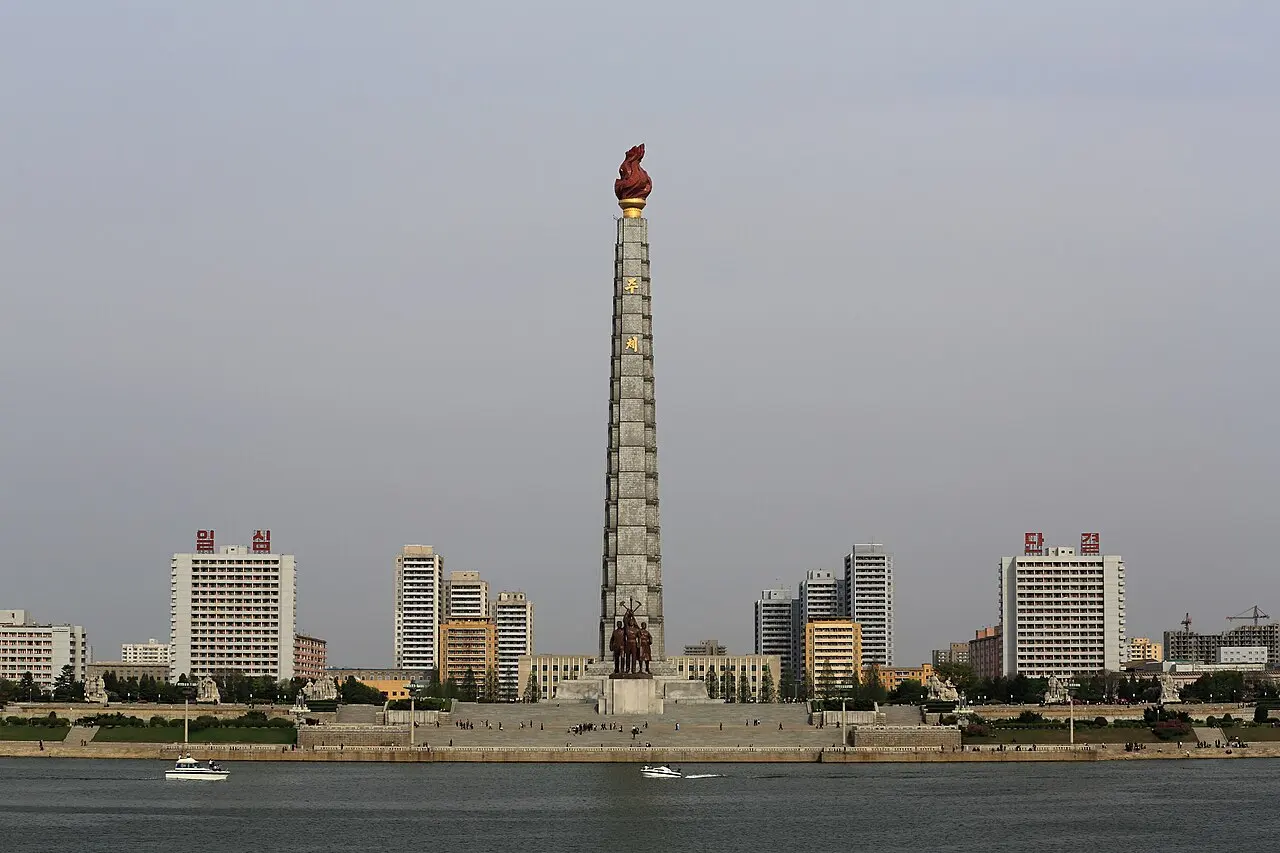
Capital core — Grand People's Study House, Juche Tower, Arch of Triumph, Mansu Hill Monument, and Victorious Fatherland Liberation War Museum
💡 Best time: Apr–OctHistoric border line with South Korea — Armistice Talks Hall, Freedom House view, and blue T1-T3 boundary conference huts
💡 Best time: Year-roundAncient Koryo Kingdom capital — Koryo Museum (Sungkyunkwan), Sonjuk Bridge, and Tomb of King Kongmin
💡 Best time: Apr–OctMountain of Mysterious Fragrance — massive underground hall housing state diplomatic gifts and ancient Pohyon Buddhist Temple
💡 Best time: May–OctSacred active volcanic crater lake on the northern Chinese border, revered in Korean mythology as the ancestral homeland
💡 Best time: Jul–SepEastern port city on the Sea of Japan — Kalma beach development zone, Songdowon International Children's Camp, and coastal pine forests
💡 Best time: Jun–AugDramatic granite mountain range on the southeastern coast — Kuryong Falls trail, lagoon scenery, and cliff carving art
💡 Best time: May–OctUNESCO-listed ancient burial mounds around Pyongyang containing preserved colorful 5th-century wall paintings
💡 Best time: Apr–Oct📢 AdSense Leaderboard #3 (728x90 or responsive)
🏨 Tourist Accommodations in the DPRK
Foreign tourists in North Korea reside at designated state-operated international hotels where tour groups and guides stay together.
Changgwang Street, Central Pyongyang
View Hotel Details → 🏢 Iconic 43-story twin-tower hotel near Pyongyang Railway Station with revolving top-floor restaurantYanggak Island, Pyongyang
View Hotel Details → ⛵ 47-story hotel situated on an island in the Taedong River, primary residence for international tour groupsPothong River Bank, Pyongyang
View Hotel Details → 🌿 First-class state hotel set in quiet parkland along the Pothong River, used for diplomatic visitorsOld Town, Kaesong
View Hotel Details → 🏮 Traditional courtyard hotel featuring Hanok-style rooms with floor heating (Ondol) in ancient Kaesong⚠️ Please note: Hotel assignments are managed directly by state travel authorities at the time of tour booking approval.
🎓 Major Academic Institutions in North Korea
Taesong District, Pyongyang
🏆 Founded in 1946, the DPRK's premier higher education institution for leadership, sciences & artsCentral District, Pyongyang
⚙️ Country's foremost university dedicated to engineering, technology research, and physical sciencesRyonhwa-dong, Pyongyang
🗣️ Specialized university training language specialists, international relations analysts, and state translatorsNangnang District, Pyongyang
🎓 Unique joint international private venture university operating with international faculty📘 Educational institutions in the DPRK operate under the Ministry of Higher Education.
🌺 Culture & Culinary Heritage
North Korean society is structured around national state philosophies, socialist realism, and deeply rooted traditional Korean values of family respect and community solidarity. Mass cultural performances, such as traditional folk dancing in public squares during national holidays, highlight communal artistic traditions. Traditional Korean performing arts, pansori singing, and embroidery remain valued cultural elements.
The DPRK maintains two World Heritage Sites listed by UNESCO: the Complex of Koguryo Tombs near Pyongyang and the Historic Monuments and Sites in Kaesong.
North Korean culinary traditions showcase subtle, clean flavors reflecting northern climate preparations. The signature dish is Pyongyang Raengmyon (cold buckwheat noodles served in a chilled brass bowl with rich pheasant or beef broth, sliced meat, pickled radish, and mustard). In historic Kaesong, meals feature Pansanggi—a traditional royal meal served in matching covered brass bowls containing up to 12 seasonal dishes including kimchi, steamed fish, and wild mountain vegetables. Other regional specialties include savory Pyongyang Hotpot (Onban rice dish topped with chicken, mushrooms, and mung bean pancakes) and locally brewed Taedonggang beer.
Korean is the official language. Formal greetings such as "Annyeonghaseyo" (Hello) and "Gamsahamnida" (Thank you) are standard courtesy phrases used when interacting with local tour guides.
🇰🇵 Exploring Global Destinations
Browse our comprehensive archive of international travel guides and cultural destination resources.
Read Our Full Travel Guides Archive →This travel guide to North Korea provides objective reference information for understanding East Asian destinations.