
World Heritage Sites are the places the world has agreed are too important to lose: humanity’s most cherished cultural and natural treasures. Listed by UNESCO under the 1972 World Heritage Convention, the World Heritage List now protects 1,273 sites in 173 countries after the World Heritage Committee added 25 new sites at its July 2026 session in Busan, South Korea. From ancient architectural marvels to pristine ecosystems, these protected zones preserve our collective history for generations to come.
Geographic Distribution (2025 List): Europe & North America (580 sites / 46.5%), Asia & the Pacific (306 sites / 24.5%), Latin America & Caribbean (153 sites / 12.3%), Africa (112 sites / 9.0%), and Arab States (97 sites / 7.8%).
Why Visit UNESCO World Heritage Sites?
What Is a World Heritage Site?
A World Heritage Site is a place listed by UNESCO because it has “outstanding universal value”: it matters to all of humanity, not just to the country that holds it. The list was created by the 1972 World Heritage Convention, and today almost every country in the world has signed it. Sites are classed as cultural (monuments, cities, archaeological sites), natural (landscapes, ecosystems, geology) or mixed (both).
How a place becomes a World Heritage Site
- Tentative List: a country first lists the places it plans to nominate.
- Nomination: it submits a detailed file with maps, history and a plan for protecting the site.
- Expert review: cultural sites are assessed by ICOMOS and natural sites by IUCN, the official advisory bodies.
- Decision: the 21-member World Heritage Committee votes at its yearly session. In July 2026 it met in Busan, South Korea, and added 25 sites.
To be listed, a site must meet at least one of ten selection criteria (six cultural and four natural) and be well protected. Sites under serious threat go on the List of World Heritage in Danger, and in rare cases a site can be removed altogether: this has happened to Oman’s Arabian Oryx Sanctuary (2007), Germany’s Dresden Elbe Valley (2009) and Liverpool in the UK (2021).
Countries With the Most World Heritage Sites (2026)
These 15 countries hold almost half of all World Heritage Sites. Click a country for our full travel guide.
| Rank | Country | Sites | Famous examples |
|---|---|---|---|
| 1 | Italy | 62 | Historic Centre of Rome, Venice and its Lagoon |
| 2 | China | 61 | Great Wall, Forbidden City |
| 3 | France | 56 | Mont-Saint-Michel, Palace of Versailles |
| 4 | Germany | 55 | Cologne Cathedral, Aachen Cathedral |
| 5 | Spain | 50 | Alhambra, Works of Antoni Gaudí |
| 6 | India | 45 | Taj Mahal, Red Fort |
| 7 | Mexico | 36 | Chichen Itza, Teotihuacan |
| 8 | United Kingdom | 35 | Stonehenge, Tower of London |
| 9 | Russia | 33 | Kremlin and Red Square, Lake Baikal |
| 10 | Iran | 30 | Persepolis, Meidan Emam in Isfahan |
| 11 | Japan | 27 | Historic Kyoto, Mount Fuji |
| 11 | United States | 27 | Yellowstone, Grand Canyon |
| 13 | Brazil | 26 | Iguaçu National Park, Historic Centre of Salvador |
| 14 | Canada | 22 | Canadian Rocky Mountain Parks, Old Québec |
| 14 | Turkey | 22 | Historic Areas of Istanbul, Göreme and Cappadocia |
Counts after the July 2026 World Heritage Committee session. Sites shared between countries count for each country. For the full breakdown by region and type, read How Many UNESCO World Heritage Sites Are There?, or see the official World Heritage List.
Top 20 UNESCO World Heritage Sites

1. Machu Picchu (Peru) Inscribed 1983
Perched 2,430 meters above sea level on a tropical mountain ridge, this 15th-century Inca citadel is an engineering marvel. Surrounded by cloud forests and dramatic Andean peaks, its dry-stone masonry walls seamlessly integrate with nature.
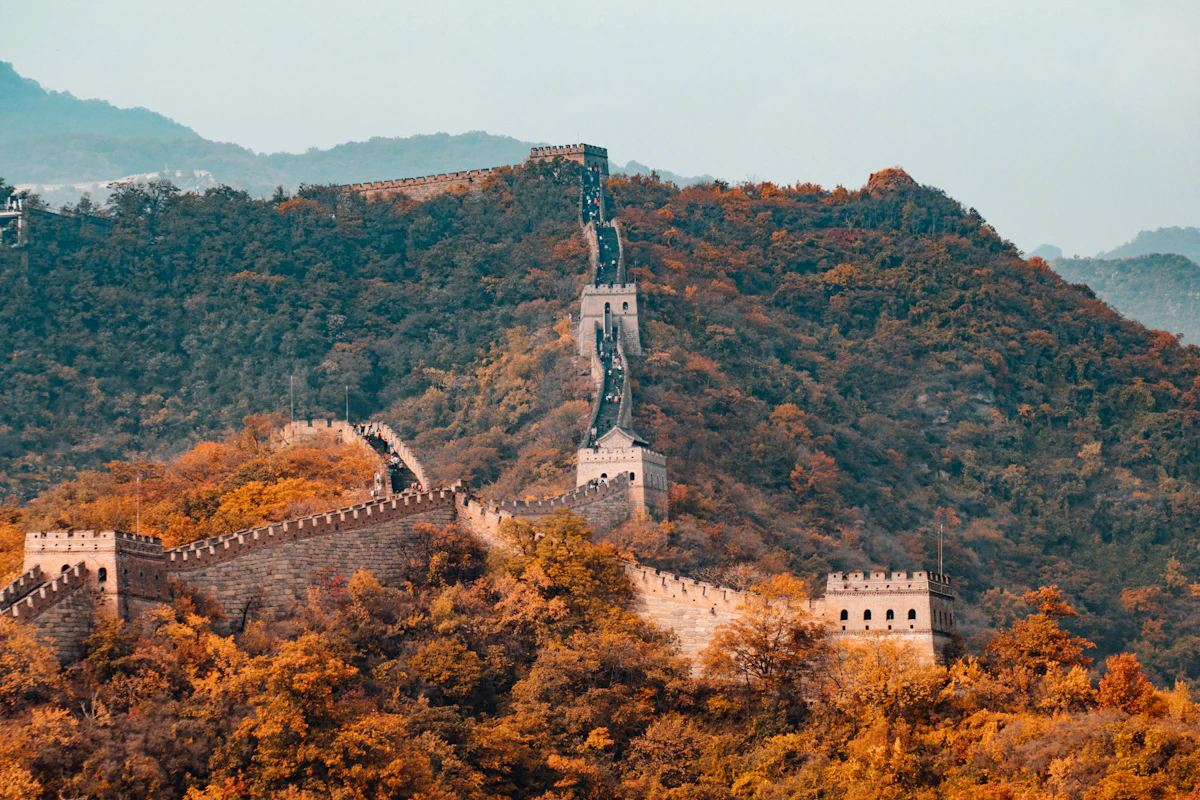
2. Great Wall of China (China) Inscribed 1987
Stretching over 21,000 kilometers across rugged mountains and high deserts, the Great Wall was built and rebuilt over some 2,000 years, from the 7th century BC through the Ming Dynasty (1368–1644). It stands as the world’s largest military defense structure.

3. Pyramids of Giza & Sphinx (Egypt) Inscribed 1979
Home to the Great Pyramid, the only one of the Seven Wonders of the Ancient World still standing, the Pyramids of Giza have stood for over 4,500 years. Built as grand royal tombs for Pharaohs Khufu, Khafre, and Menkaure, they are guarded by the monumental Great Sphinx.

4. Colosseum & Historic Centre of Rome (Italy) Inscribed 1980
The Flavian Amphitheatre, known as the Colosseum, held an estimated 50,000 to 80,000 spectators for gladiatorial games. Together with the Roman Forum and Pantheon, it forms the center of classical antiquity in Western Europe.
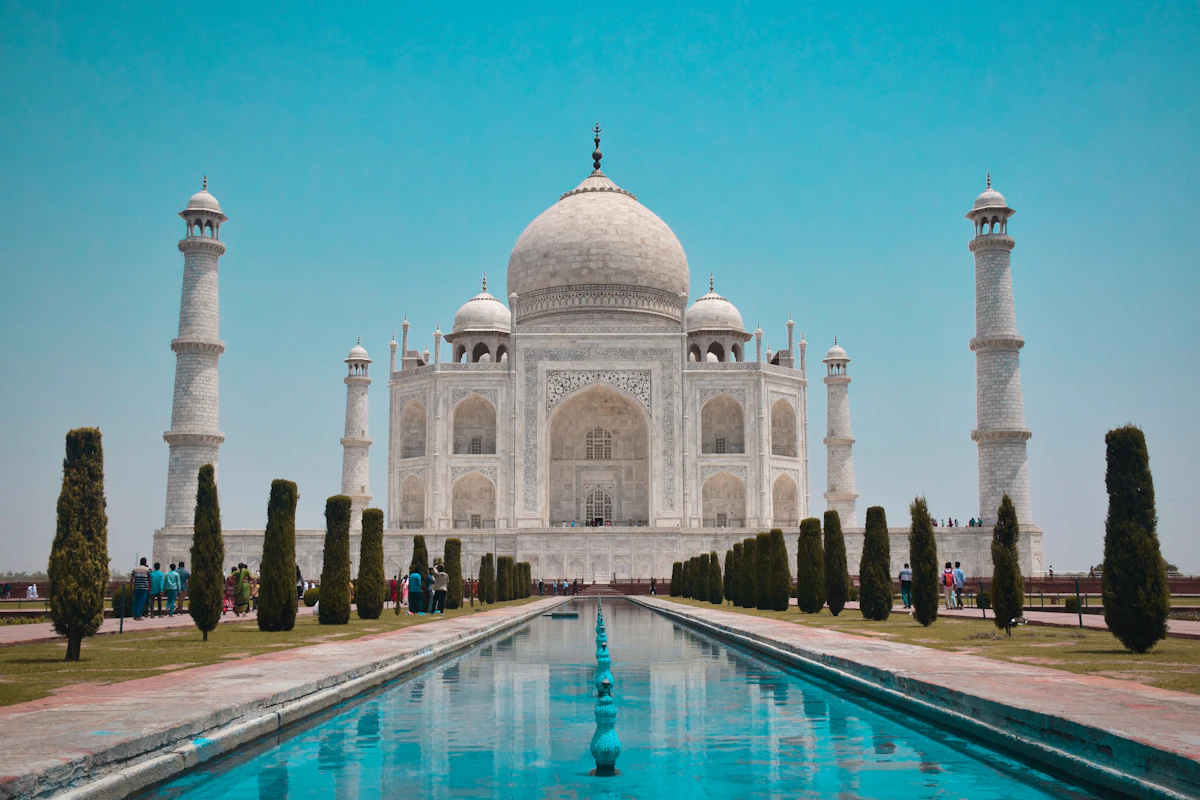
5. Taj Mahal (India) Inscribed 1983
An immense mausoleum of white marble built between 1631 and 1648 by Emperor Shah Jahan in memory of his favorite wife Mumtaz Mahal. It represents the pinnacle of Mughal architecture, blending Indian, Persian, and Islamic styles.
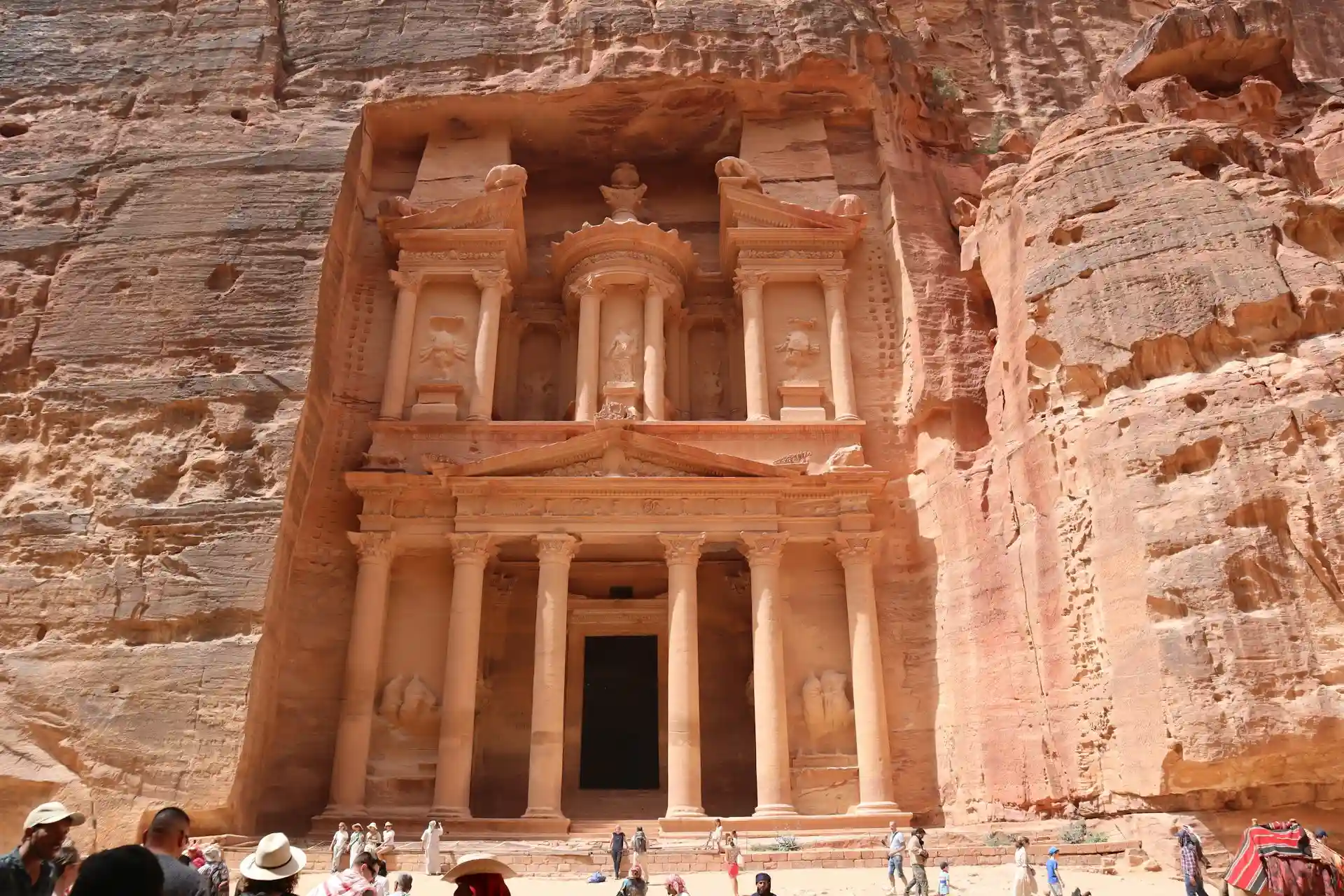
6. Petra (Jordan) Inscribed 1985
Half-built, half-carved into rose-red sandstone cliffs by the Nabataean Arabs over 2,000 years ago, Petra served as a crucial crossroads on the caravan routes that carried incense and spices between Arabia, Egypt and the Mediterranean.
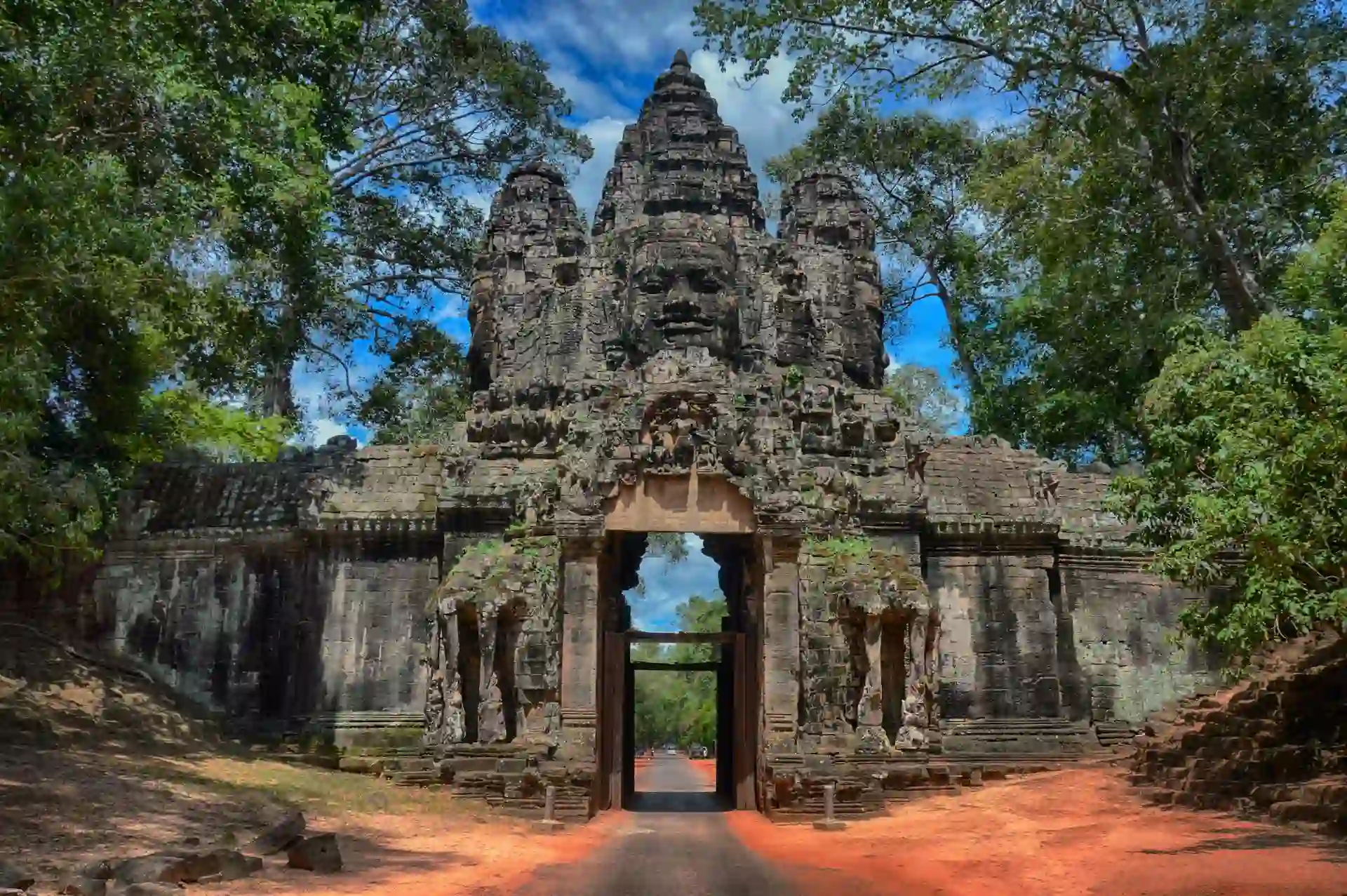
7. Angkor Archaeological Park (Cambodia) Inscribed 1992
Spanning over 400 km², Angkor contains the magnificent remains of the Khmer Empire from the 9th to 15th centuries, including the famous temple of Angkor Wat, Bayon’s giant stone faces, and Ta Prohm overgrown with giant tree roots.
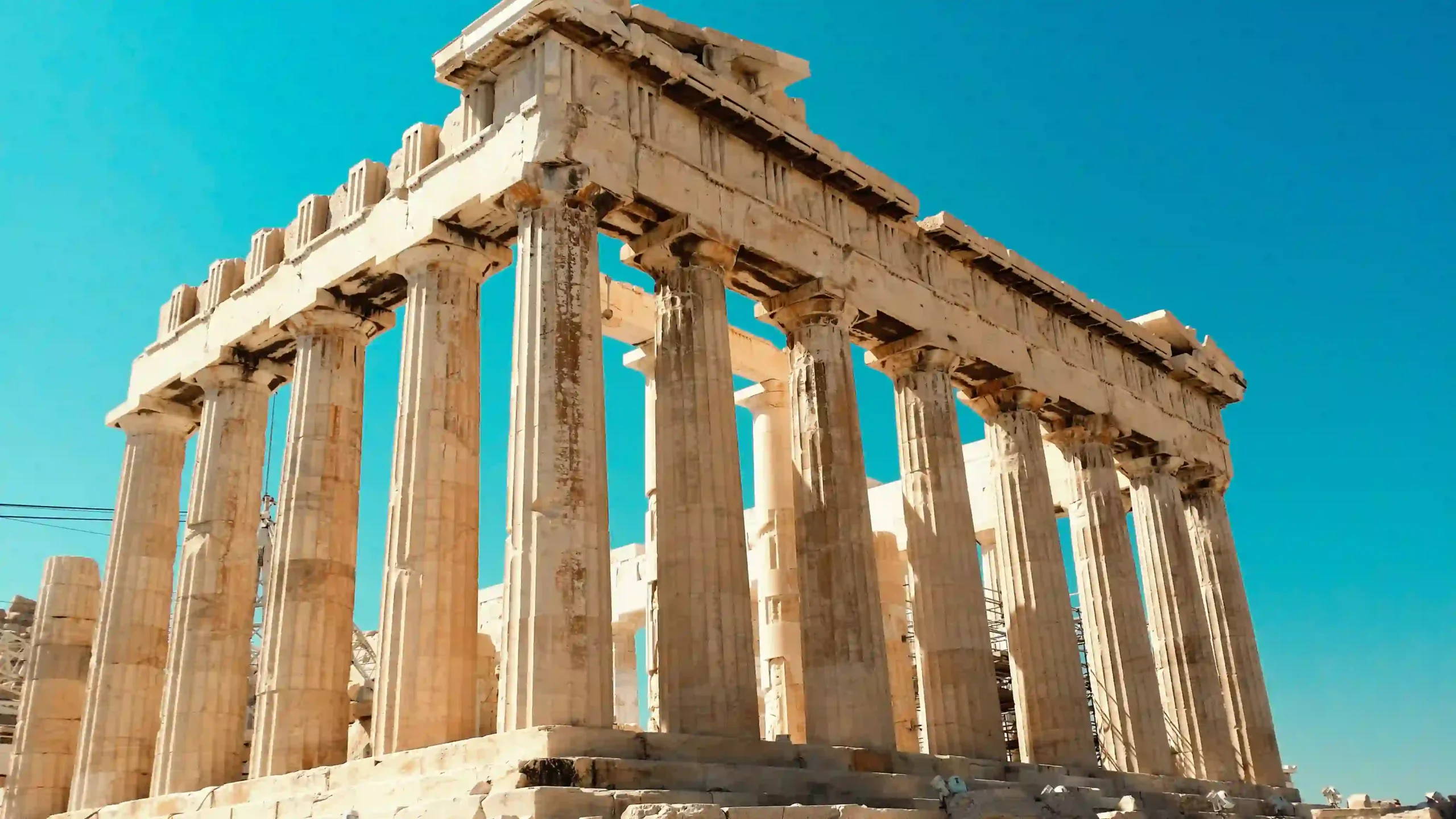
8. Acropolis of Athens (Greece) Inscribed 1987
Rising on a rocky outcrop above Athens, the Acropolis contains the Parthenon, Erechtheion, and Propylaea. Built in the 5th century BC, it remains the universal symbol of classical spirit and Athenian democracy.

9. Pre-Hispanic City of Chichen Itza (Mexico) Inscribed 1988
A major focal point of the Maya civilization, Chichen Itza exhibits a variety of architectural styles. The Temple of Kukulcán (El Castillo) has 365 steps, one for each day of the solar year, and at the equinoxes its shadows form a serpent descending the stairway.
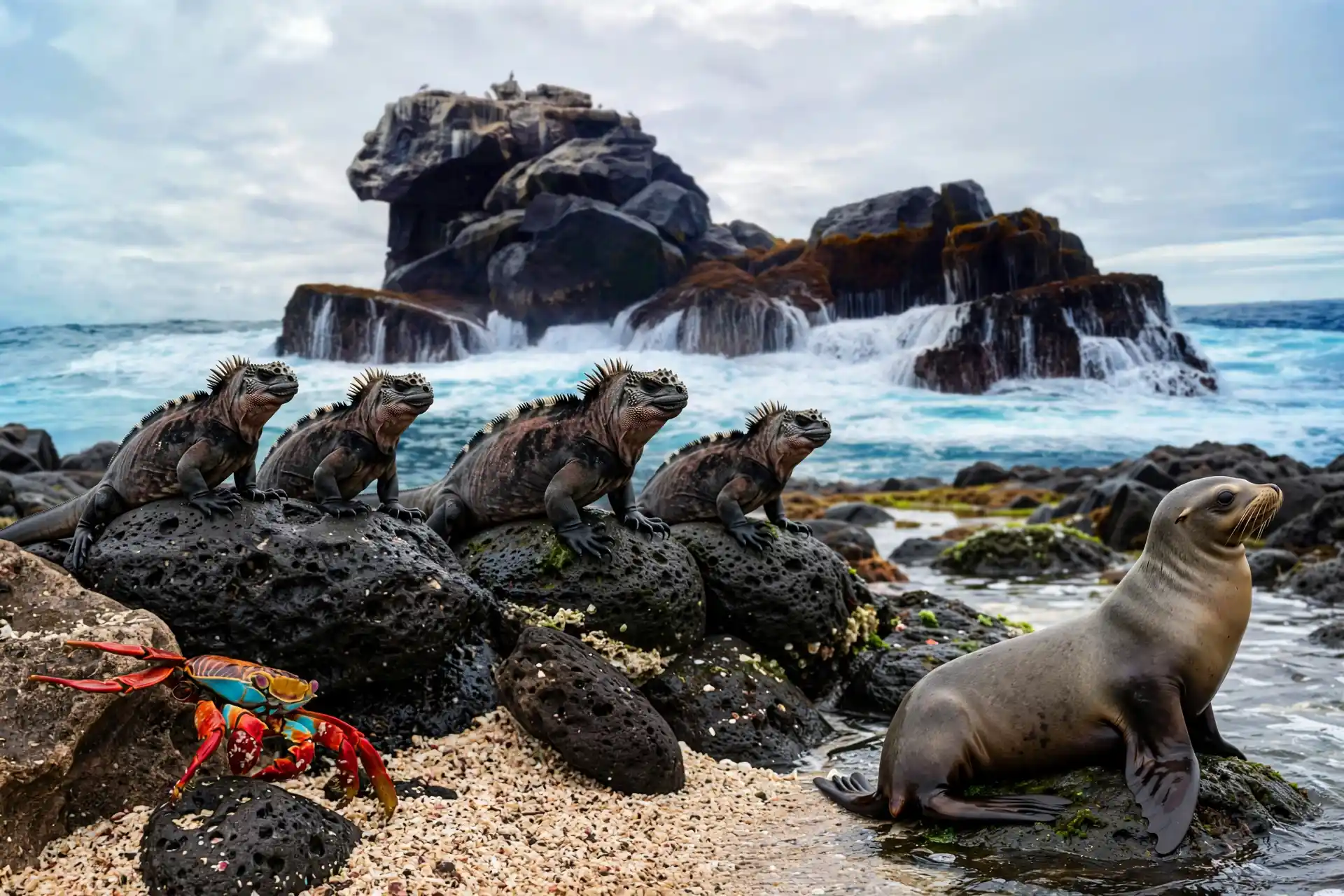
10. Galápagos Islands (Ecuador) Inscribed 1978
Located 1,000 km off the South American coast, this volcanic archipelago inspired Charles Darwin’s theory of evolution by natural selection. Its extreme isolation nurtured endemic giant tortoises, marine iguanas, and flightless cormorants.

11. Serengeti National Park (Tanzania) Inscribed 1981
Comprising 1.5 million hectares of acacia woodlands, riverine forests, and grassy plains, the Serengeti hosts the largest land mammal migration on Earth: more than a million wildebeest, with hundreds of thousands of zebras and gazelles, followed by lions, cheetahs and hyenas.

12. Great Barrier Reef (Australia) Inscribed 1981
Containing over 2,900 individual reefs and 900 islands stretching for 2,300 kilometers, the Great Barrier Reef is the largest structure on Earth built by living organisms and can be seen from space.

13. Yellowstone National Park (USA) Inscribed 1978
Established in 1872 as the world’s first national park, Yellowstone has more than 10,000 hydrothermal features, including about half of the world’s active geysers, Old Faithful Geyser, Grand Prismatic Spring, and abundant populations of bison and wolves.
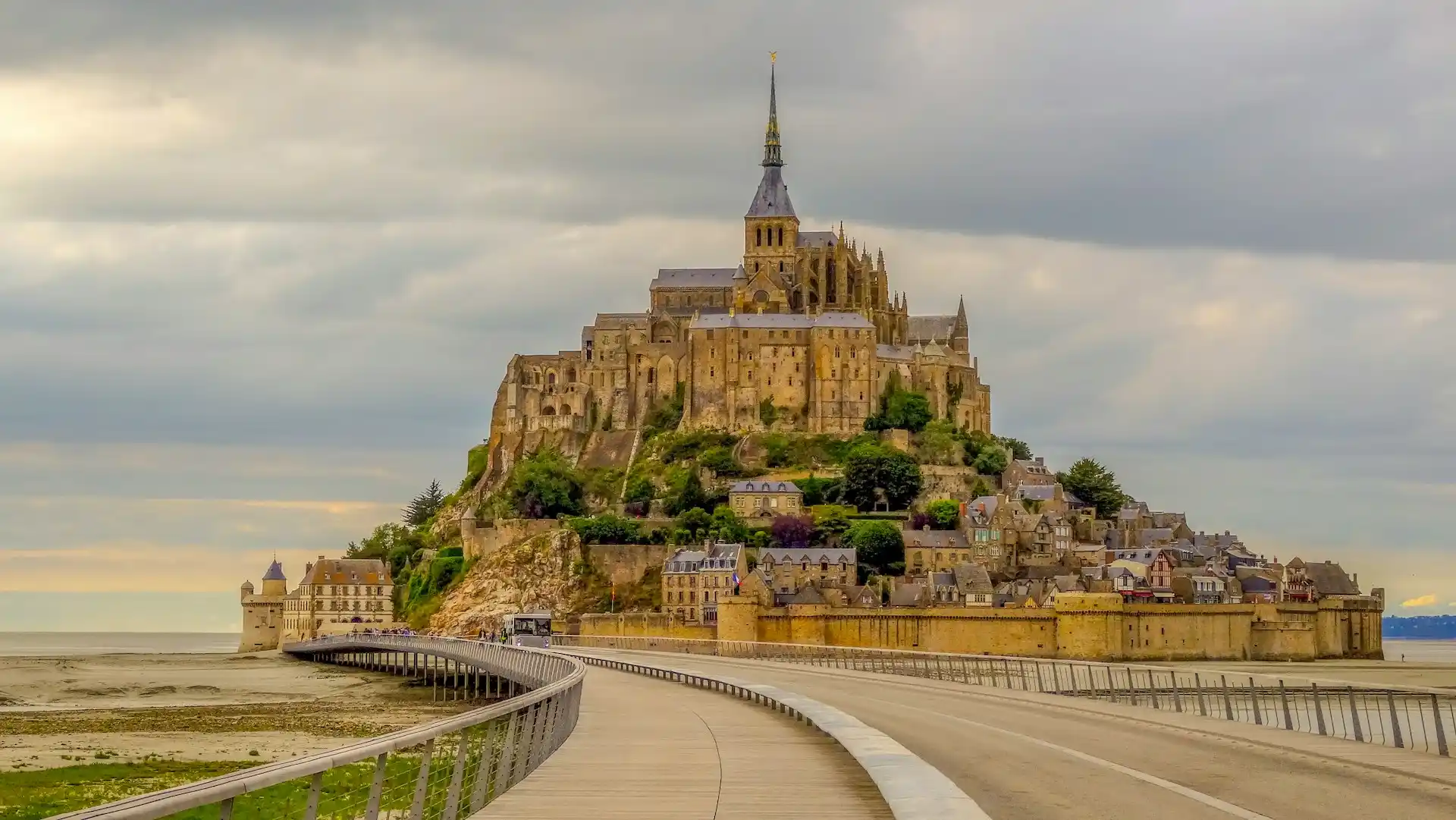
14. Mont-Saint-Michel and its Bay (France) Inscribed 1979
Perched on a rocky islet in Normandy surrounded by some of the highest tides in Europe, this Benedictine abbey dedicated to the Archangel Michael is a masterpiece of medieval Gothic architecture and pilgrimage history.
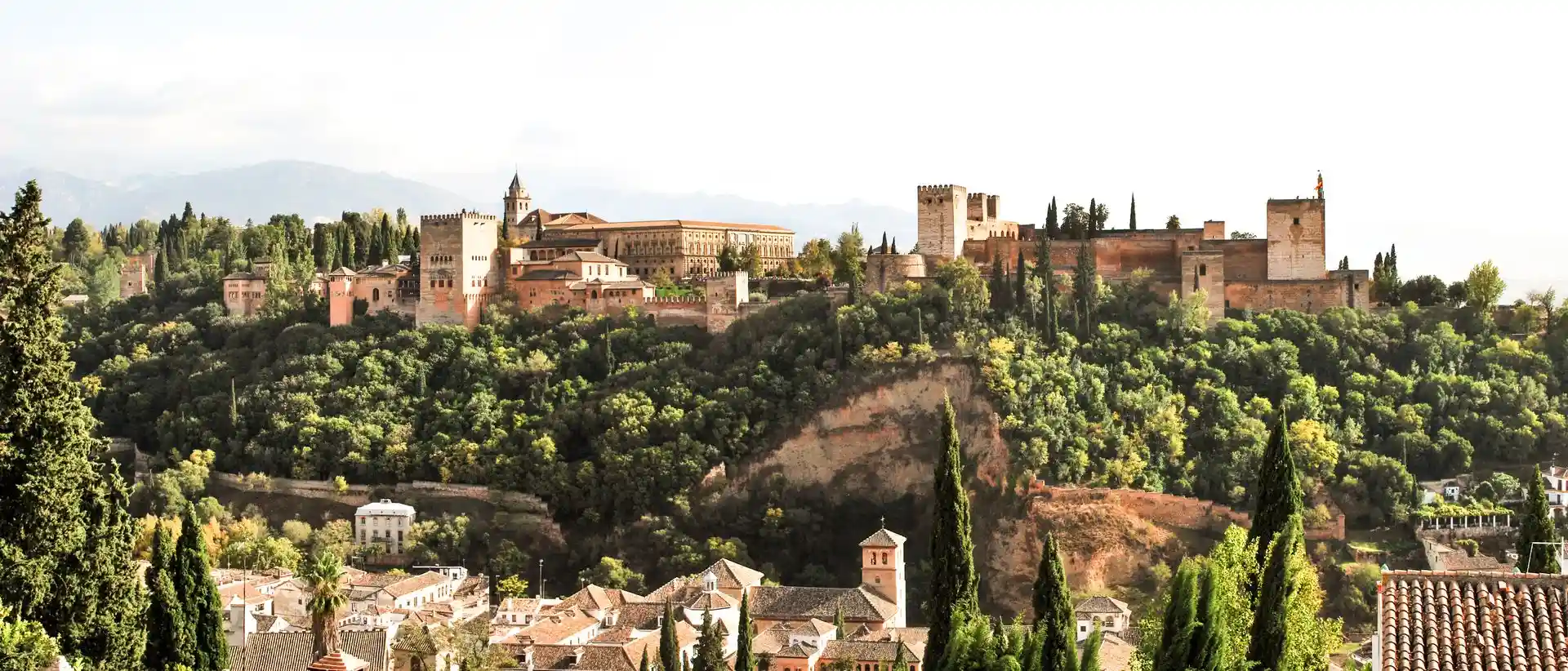
15. Alhambra, Generalife and Albayzín (Spain) Inscribed 1984
Overlooking Granada, the Alhambra was built by Moorish rulers of the Nasrid dynasty. With its exquisite Nasrid Palaces, courtyard arcades, and tranquil Generalife gardens, it represents the pinnacle of Islamic art in Europe.

16. Historic Centre of Prague (Czech Republic) Inscribed 1992
Built between the 11th and 18th centuries, Prague’s historic center boasts an intact architectural ensemble ranging from Romanesque and Gothic to Baroque and Art Nouveau, connected by the iconic stone Charles Bridge across the Vltava River.
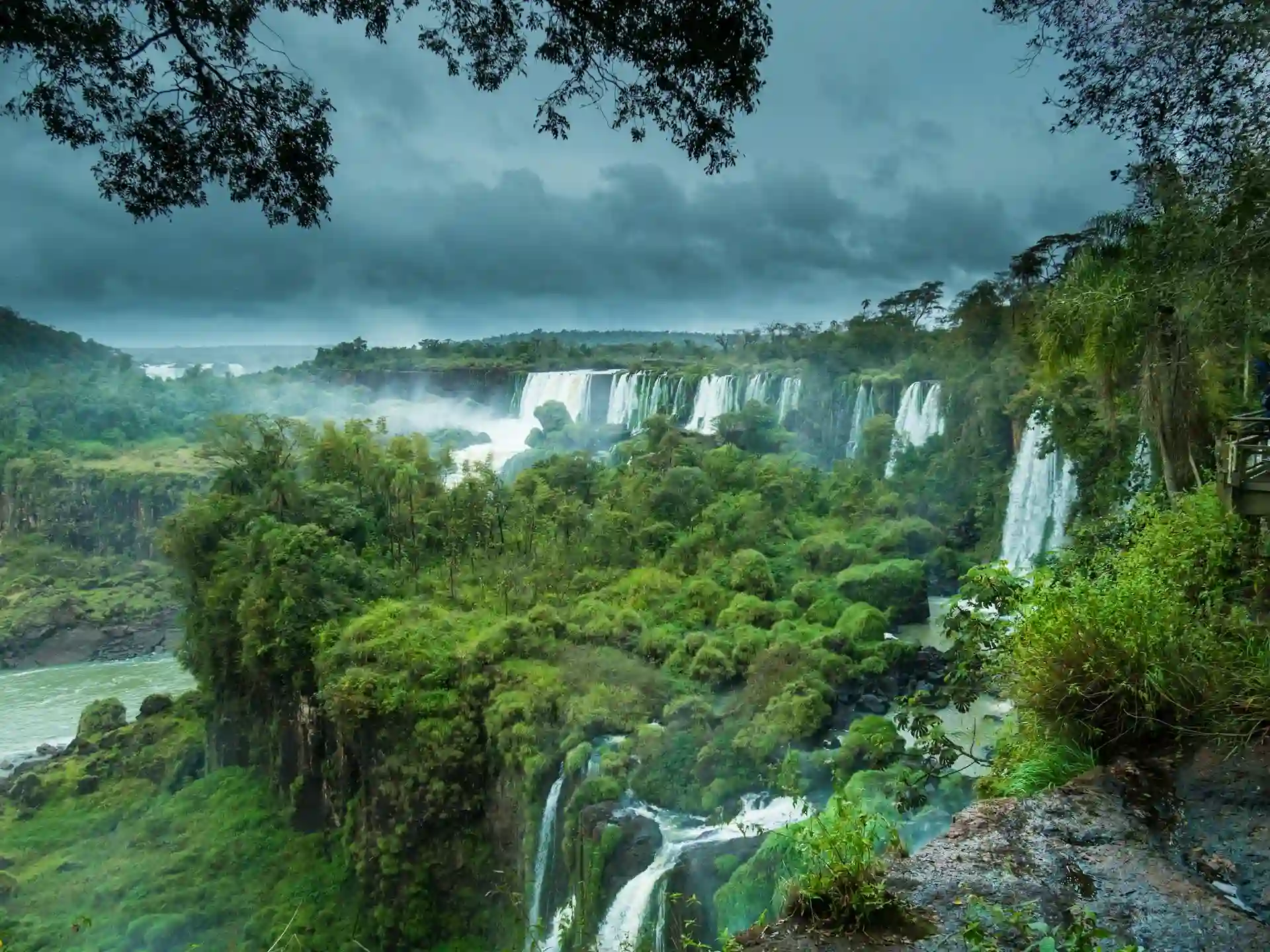
17. Iguazú & Iguaçu National Parks (Argentina / Brazil) Inscribed 1984 & 1986
Straddling the border between Argentina and Brazil, and protected as two World Heritage sites (Argentina’s Iguazú National Park in 1984 and Brazil’s Iguaçu National Park in 1986), the semicircular Iguazu Falls consist of 275 individual cascades spanning nearly 2.7 km. Surrounded by lush subtropical rainforest, it produces constant rainbows and mist.

18. Historic Monuments of Ancient Kyoto (Japan) Inscribed 1994
Kyoto served as Japan’s imperial capital from 794 to 1868. This UNESCO property encompasses 17 separate historic sites, including wooden Buddhist temples like Kiyomizu-dera, Zen dry rock gardens, and traditional Shinto shrines.

19. Venice and its Lagoon (Italy) Inscribed 1987
Founded in the 5th century and spread across 118 small islands connected by canals and bridges, Venice was a major medieval maritime power. Its architectural masterpieces house art by Titian, Veronese, and Tintoretto.
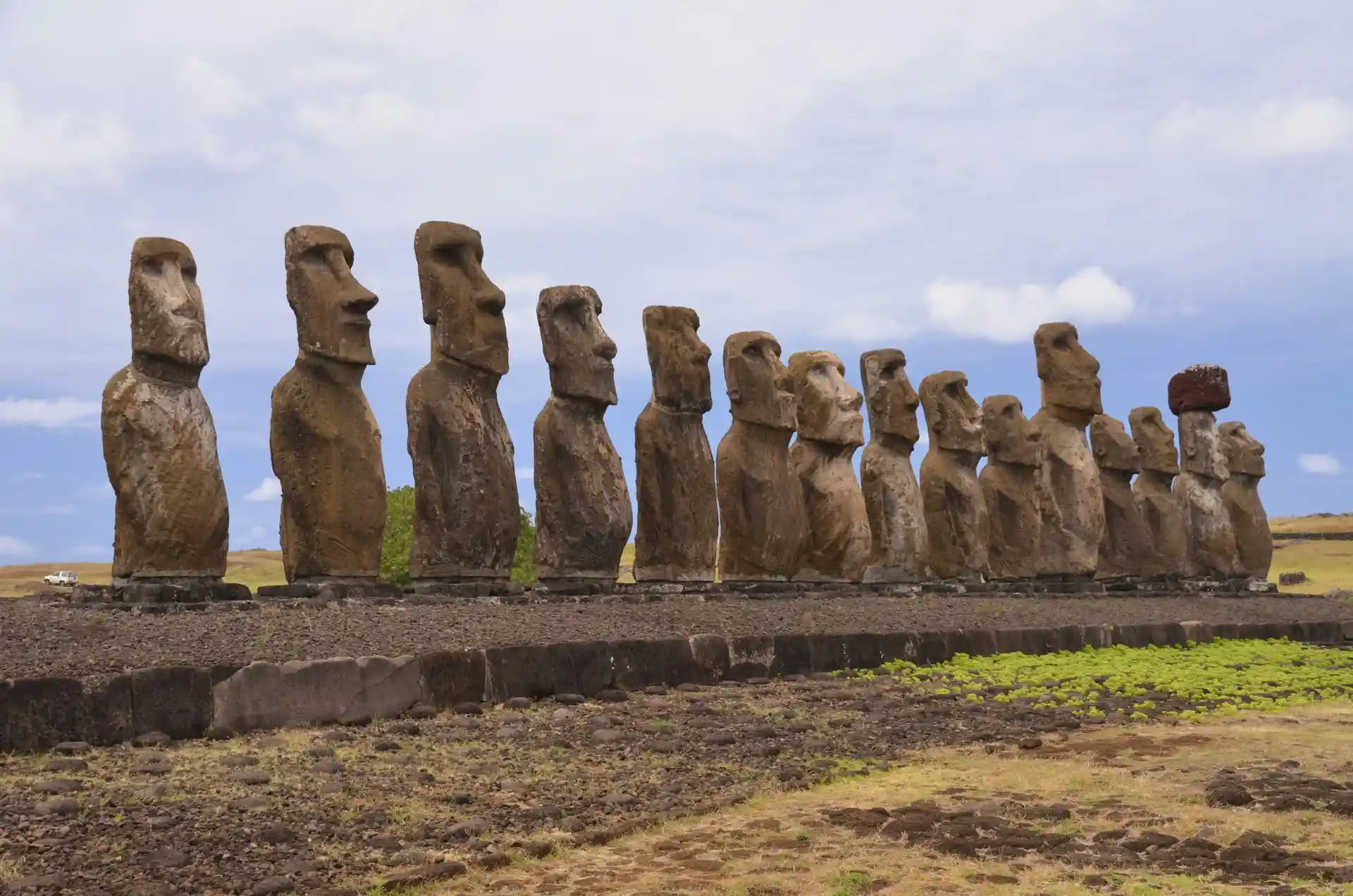
20. Rapa Nui National Park (Easter Island, Chile) Inscribed 1995
Located in isolation in the South Pacific, Rapa Nui bears witness to a unique Polynesian culture. From the 10th to the 16th centuries, islanders carved nearly 900 colossal stone statues known as Moai.
🛡️ Essential UNESCO Visitor Guidance Advice
- Reserve Timed Entry Passes Early: Fragile cultural landmarks like Machu Picchu, the Colosseum, and the Alhambra strictly limit daily visitor capacity.
- Practice Sustainable Tourism: Do not touch ancient frescoes or marble sculptures, and never climb restricted ruins.
- Respect Sacred Dress Codes: Modest attire covering shoulders and knees is expected at religious sites, and it is enforced at Angkor Wat’s upper terrace and at Kyoto’s temples and shrines.
- Hire Certified Official Guides: Engaging licensed local experts ensures historical accuracy and directly supports local heritage preservation.
- Leave No Trace in Natural Sites: Pack out all waste, refrain from feeding wildlife, and stick strictly to marked wooden boardwalks.
UNESCO World Heritage Sites at a Glance: All 20 Compared
| # | Site | Country | Type | Inscribed | Best time | Know before you go |
|---|---|---|---|---|---|---|
| 1 | Machu Picchu | Peru | Mixed | 1983 | May to October | Timed tickets on set circuits; Inca Trail permits sell out |
| 2 | Great Wall of China | China | Cultural | 1987 | September to November | Mutianyu is the easiest restored section from Beijing |
| 3 | Pyramids of Giza (Memphis and its Necropolis) | Egypt | Cultural | 1979 | October to April | Pair with the Grand Egyptian Museum |
| 4 | Colosseum & Historic Centre of Rome | Italy | Cultural | 1980 | April to May, September to October | Timed Colosseum tickets; book ahead |
| 5 | Taj Mahal | India | Cultural | 1983 | October to March | Closed on Fridays; go at sunrise |
| 6 | Petra | Jordan | Cultural | 1985 | March to May, September to November | Enter at opening; allow a full day to reach the Monastery |
| 7 | Angkor | Cambodia | Cultural | 1992 | November to February | Angkor Pass (1, 3 or 7 days) |
| 8 | Acropolis of Athens | Greece | Cultural | 1987 | April to June, September to October | Timed entry slots; go at opening |
| 9 | Chichen Itza | Mexico | Cultural | 1988 | November to April | No climbing El Castillo (since 2006) |
| 10 | Galápagos Islands | Ecuador | Natural | 1978 | December to May | Park entry fee paid on arrival |
| 11 | Serengeti National Park | Tanzania | Natural | 1981 | June to October; January to February for calving | Follow the migration with a licensed safari operator |
| 12 | Great Barrier Reef | Australia | Natural | 1981 | June to October | Wear a stinger suit November to May |
| 13 | Yellowstone National Park | USA | Natural | 1978 | May, September to early October | Most roads closed to cars in winter |
| 14 | Mont-Saint-Michel and its Bay | France | Cultural | 1979 | May to September | Check the tide tables; cross the bay only with a guide |
| 15 | Alhambra, Generalife and Albayzín | Spain | Cultural | 1984 | April to May, September to October | Nasrid Palaces have a fixed entry time |
| 16 | Historic Centre of Prague | Czech Republic | Cultural | 1992 | May to September; December markets | Visit Charles Bridge early in the morning |
| 17 | Iguazú / Iguaçu National Parks | Argentina / Brazil | Natural | 1984 / 1986 | March to May, September to November | See both sides: two separate parks and tickets |
| 18 | Historic Monuments of Ancient Kyoto | Japan | Cultural | 1994 | Late March to April; November | 17 sites spread across Kyoto, Uji and Otsu |
| 19 | Venice and its Lagoon | Italy | Cultural | 1987 | April to May, September to October | Day-tripper access fee on peak days |
| 20 | Rapa Nui National Park | Chile | Cultural | 1995 | December to February | Certified local guide required at park sites |
Learn and Teach World Heritage Sites
Studying World Heritage Sites for school, or teaching them in a geography class? Test what you know with our free quizzes and games, and find ready-to-use lesson materials for classrooms and homeschooling.
Tickets, Permits and Rules at Famous UNESCO Sites
Popular World Heritage sites protect themselves with visitor caps, timed entry and local rules. These are the ones most likely to affect your plans. Prices and rules change, so always confirm on the official site before booking.
- Machu Picchu: Entry is by timed ticket on a fixed circuit, with daily caps. The classic Inca Trail needs a permit through a licensed operator, sells out months ahead for May to August, and closes every February for maintenance.
- Colosseum, Acropolis and Alhambra: All three use timed entry. Book on the official sites as early as you can, and arrive a little before your slot.
- Taj Mahal: Closed every Friday. Buy tickets online, carry as little as possible (large bags and many items are not allowed inside), and go at sunrise.
- Angkor: You need an Angkor Pass (1, 3 or 7 days) bought at the official ticket centre or online. Dress with shoulders and knees covered to climb to Angkor Wat’s upper terrace.
- Galápagos Islands: Foreign adults pay a national park entry fee on arrival (US$200 since August 2024) and need a transit control card, bought before the flight from mainland Ecuador.
- Venice: Day-trippers pay an access fee on peak days (introduced in 2024). Overnight guests in the city are exempt. Check the official calendar before you travel.
- Rapa Nui (Easter Island): Buy the national park ticket in advance. Visitors must be accompanied by a certified local guide at the park’s sites, and Rano Raraku and Orongo can each be entered only once per ticket.
How to Choose Which UNESCO Sites to Visit
Frequently Asked Questions About UNESCO World Heritage Sites
What is a UNESCO World Heritage Site?
A UNESCO World Heritage Site is a place that the World Heritage Committee has added to the World Heritage List because it has outstanding universal value for all of humanity. Sites are listed as cultural (such as the Taj Mahal), natural (such as the Galápagos Islands) or mixed (such as Machu Picchu), and the countries that hold them commit to protecting them under the 1972 World Heritage Convention.
How many UNESCO World Heritage Sites are there?
There are 1,273 UNESCO World Heritage Sites in 173 countries: 991 cultural, 240 natural and 42 mixed. The World Heritage Committee added 25 new sites at its July 2026 session in Busan, South Korea. The number grows every year, so check the official list at whc.unesco.org for the latest total.
Which country has the most World Heritage Sites?
Italy has the most World Heritage Sites (62), followed by China (61), France (56), Germany (55), Spain (50) and India (45). Europe and North America together hold almost half of all sites on the list.
What are the most famous UNESCO World Heritage Sites?
Some of the most famous UNESCO sites are Machu Picchu in Peru, the Great Wall of China, the Pyramids of Giza in Egypt, the Colosseum in Rome, the Taj Mahal in India, Petra in Jordan, Angkor in Cambodia and the Acropolis of Athens. Famous natural sites include the Galápagos Islands, the Serengeti, the Great Barrier Reef and Yellowstone.
What are the best UNESCO sites to visit for a first trip?
For a first trip, pick sites that are easy to reach and simple to visit on your own: the Historic Centre of Rome, the Historic Centre of Prague, Venice, the Acropolis of Athens and the Alhambra in Granada are all in cities with good transport. For a bucket-list adventure, Machu Picchu, Petra and Angkor are the classic choices.
Do you need tickets for UNESCO World Heritage Sites?
Many do. Machu Picchu, the Colosseum, the Acropolis and the Alhambra’s Nasrid Palaces use timed tickets that can sell out, Angkor requires an Angkor Pass, Rapa Nui National Park requires a park ticket and a certified local guide, and Venice charges day-trippers an access fee on peak days. Historic city centres such as Prague are free to walk around, although individual monuments charge entry.
What were the first UNESCO World Heritage Sites?
The first 12 sites were inscribed in 1978. They include the Galápagos Islands (site number 1 on the list), Yellowstone National Park, Mesa Verde in the USA, the historic centres of Kraków and Quito, Aachen Cathedral, L’Anse aux Meadows in Canada and the Rock-Hewn Churches of Lalibela in Ethiopia.
How does a place become a World Heritage Site?
A country places it on its Tentative List, then submits a full nomination. Experts from ICOMOS (cultural sites) or IUCN (natural sites) assess it, and the 21-member World Heritage Committee decides at its yearly session. The site must meet at least one of ten criteria and have a plan to protect it.
Can a World Heritage Site lose its status?
Yes, although it is rare. Threatened sites are first placed on the List of World Heritage in Danger. Three have been removed completely: the Arabian Oryx Sanctuary in Oman (2007), the Dresden Elbe Valley in Germany (2009) and Liverpool Maritime Mercantile City in the UK (2021).
Can you climb El Castillo at Chichen Itza?
No. Climbing El Castillo (the Temple of Kukulcán) has been banned since 2006 to protect the pyramid and visitors. You can still walk the site, see the Great Ball Court and the Sacred Cenote, and visit at the spring or autumn equinox to see the serpent shadow on the staircase.
When is the Taj Mahal closed?
The Taj Mahal is closed to sightseers every Friday, when the mosque on the site is used for prayers. On other days it opens around sunrise, which is the best time to visit for soft light and smaller crowds. Night viewing is available on a few nights around each full moon.
Photo Credits
- Machu Picchu (card, sidebar and hero): Willian Justen de Vasconcellos on Unsplash
- Great Wall of China (card, sidebar and hero): Hanson Lu on Unsplash
- Pyramid of Khafre, Giza (card, sidebar and hero): Jeremy Bishop on Unsplash
- Colosseum, Rome (card, sidebar and hero): David Köhler on Unsplash
- Taj Mahal (card, sidebar and hero): Jovyn Chamb on Unsplash
- Chichen Itza (card and sidebar): Marv Watson on Unsplash
- Serengeti wildebeest crossing the Mara River: Jorge Tung on Unsplash
- Great Barrier Reef sandbar: Hongbin on Unsplash
- Grand Prismatic Spring, Yellowstone: Seth Cottle on Unsplash
- Prague Old Town panorama: Dmitry Goykolov on Unsplash
- Higashiyama and Yasaka Pagoda, Kyoto: Nathalie Lays on Unsplash
- Venice canal: Henrique Ferreira on Unsplash
Last updated: October 2026. Opening hours, ticket rules and fees change often; always confirm with the official site before you travel.