
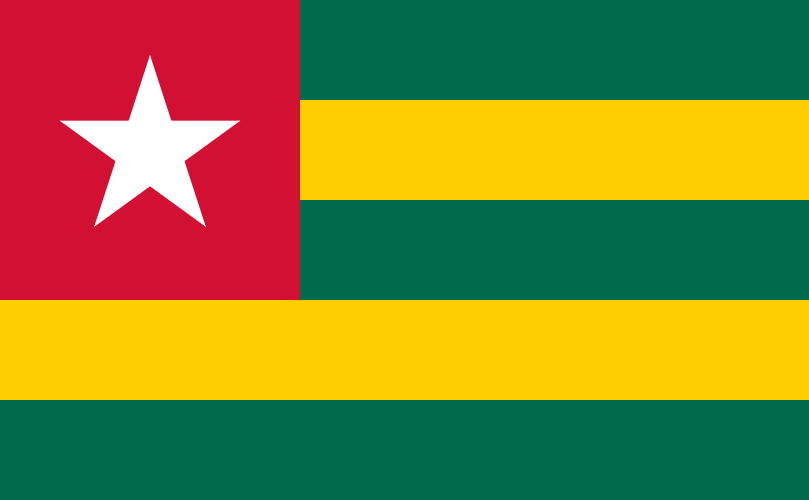
🇹🇬 Travel Guide to Togo — The Heartbeat of West Africa
This comprehensive travel guide to Togo will help you discover one of West Africa's most compact yet captivating nations. From the vibrant markets of Lomé to the misty mountains of Kpalimé and the sacred lake of Togoville, this travel guide to Togo covers everything you need to plan an unforgettable journey. As a slender country stretching from the Gulf of Guinea to the Sahel, Togo offers travellers a diverse tapestry of cultures, landscapes, and traditions. Whether you're exploring the voodoo shrines of Togoville, hiking Mount Agou, or relaxing on the palm‑fringed beaches of the Atlantic coast, this travel guide to Togo is your essential companion.
⚠️ Important Travel Advisory: Togo has experienced political and security challenges in recent years. This travel guide to Togo is intended for informational and cultural reference purposes. Please check your government's travel advisory and exercise caution before making any plans.
📢 AdSense Leaderboard #1 (728x90 or responsive)
📊 Quick Facts
- Capital: Lomé 💡 A vibrant port city on the Gulf of Guinea
- Currency: CFA Franc (XOF) 💡 1 USD ≈ 610 XOF
- Language: French 💡 Ewe, Kabiye, and other local languages are widely spoken
- Population: 9.0 million (2026 est.)
- Area: 56,785 km²
- Time Zone: UTC +0 (GMT)
📅 Plan Your Perfect Trip with This Travel Guide to Togo
When planning your travel guide to Togo, the tropical climate offers two main seasons. The dry season (November–March) brings warm days with lower humidity and cooler nights—ideal for exploring Lomé and hiking the Togo Mountains. The rainy season (April–October) brings higher rainfall, with a brief break in August. The coastal area is generally hotter, while Kpalimé and the mountains can be cooler by as much as 8°C. Wildlife viewing is best at the end of the dry season. This travel guide to Togo will help you plan the perfect trip for every season.
Best for: Hiking, markets, and city exploration – lower humidity and cooler nights
Best for: Lush landscapes and budget travel – brief dry spell in August
Best at the end of the dry season (February–March) in the national parks
Evala Festival in July (Kabyé initiation ceremony) – one of Togo's most significant cultural events
📢 AdSense Leaderboard #2 (728x90 or responsive)
🛂 Visa Information for Your Travel Guide to Togo
Visa‑Free Access: Citizens of 18 countries can enter Togo without a visa for stays up to 7–90 days. These include Ghana, Nigeria, Côte d'Ivoire, Senegal, Benin, and other ECOWAS nations. Most other nationalities, including the UK, US, Canada, Australia, and European citizens, can obtain an e‑visa online before travel or a visa on arrival for a fee of approximately USD 100 for up to 7 days (or USD 145 for 15 days). For a complete travel guide to Togo, verify your requirements before booking.
🌍 Visa‑Free Countries (ECOWAS)
📋 Other Visa Types
- E‑Visa Available for many nationalities – apply online before travel
- Visa on Arrival Available at Lomé Airport – 7 days (USD 100) or 15 days (USD 145)
- Student Visa For academic study – requires enrolment at a recognised Togolese institution
- Work Visa For employment – requires a job offer and work permit approval
🔗 Official Resource: Togo Ministry of Tourism (Check local embassy for visa details)
📚 Trusted Resources for Your Travel Guide to Togo
- Lonely Planet – Togo Travel information and attractions
- Smartraveller – Togo Australian government travel advisory
- UK Foreign Travel Advice – Togo Official travel advisory and safety information
🌍 Explore our other guides: Ghana · Benin · Côte d'Ivoire
💡 Key Travel Tips for Your Togo Adventure
XOF is official – cash is essential; ATMs are available in Lomé but unreliable in rural areas
Try fufu, pâte (maize dough), grilled fish, and palm wine – a taste of West Africa
Shared taxis and moto‑taxis (zemidjans) are the main ways to get around – agree on the fare before setting off
Northern and border areas have security risks – stay in urban centres, avoid travel after dark, and consult local advice
Yellow fever vaccination is compulsory for entry – check requirements and bring malaria prophylaxis
🏙️ Top Cities and Destinations to Visit in Togo
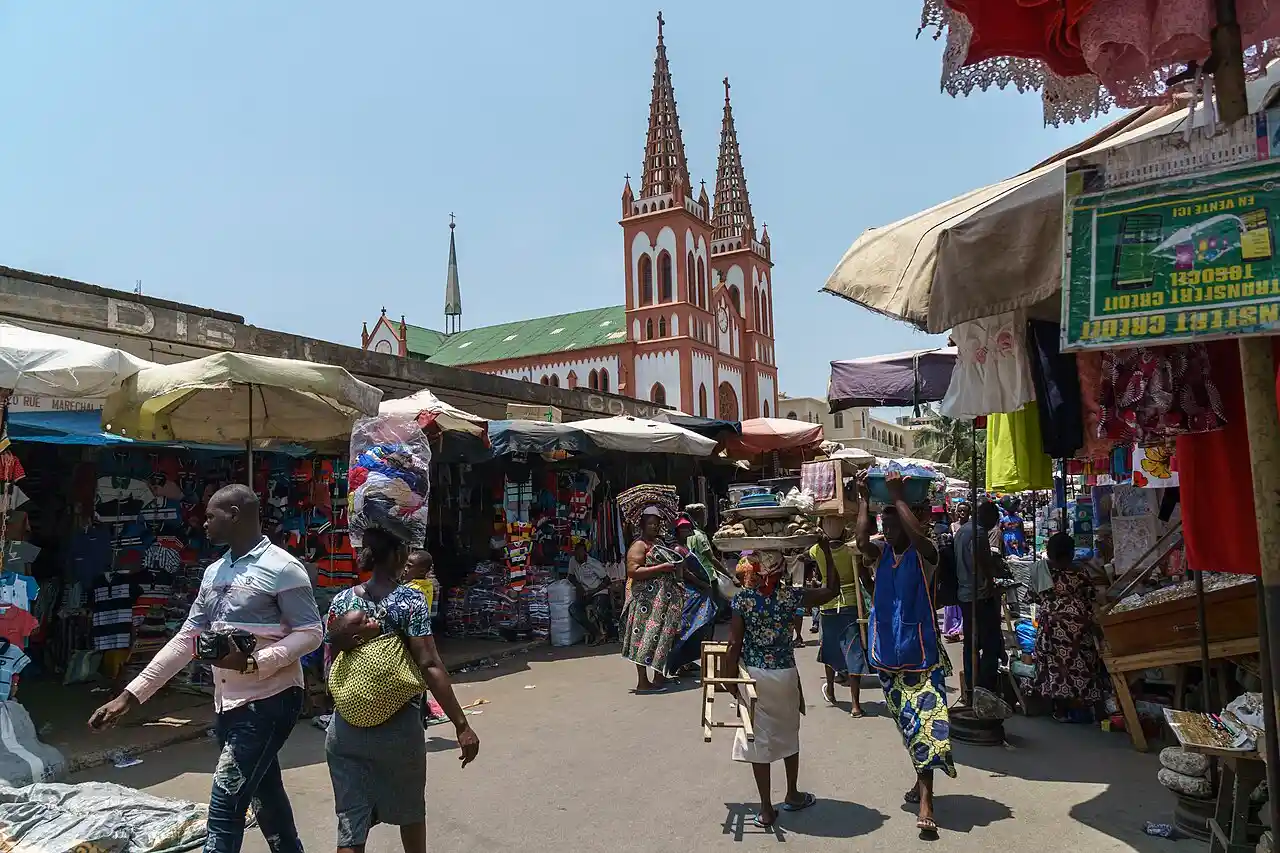
The vibrant capital – Grand Marché, Lomé Cathedral, the sea beach, and Independence Monument
💡 Best time: Nov–MarThe mountain getaway – waterfalls, Mount Agou (Togo's highest peak), and coffee plantations
💡 Best time: Nov–MarThe spiritual heartland – voodoo shrines, Lake Togo, and the site of a 1910 German treaty
💡 Best time: Nov–MarThe second-largest city – busy markets, traditional temples, and a rich Islamic heritage
💡 Best time: Nov–MarThe highland city – Togo's former colonial administrative centre, with scenic views
💡 Best time: Nov–MarTogo's largest national park – elephants, buffalo, antelope, and over 200 bird species
💡 Best time: Feb–MarThe coastal getaway – palm‑fringed beaches and former slave trade sites
💡 Best time: Nov–MarTogo's highest peak (986m) – hiking, panoramic views, and forest trails
💡 Best time: Nov–Mar📢 AdSense Leaderboard #3 (728x90 or responsive)
🏨 Top Hotels in Togo
Accommodation options in Togo range from international hotels to locally owned guesthouses. Book in advance, especially in the dry season.
⚠️ Please note: Hotel availability and contact details may be affected by the current situation in Togo. Always verify through official channels or your travel agent.
🎓 Top Universities in Togo
Lomé
Visit Website → 🌍 Private Catholic university with a regional networkKpalimé
Contact directly 🌿 Specialising in agriculture and rural development⚠️ Please note: University operations and website availability may be affected by the current situation in Togo. Always verify through official channels.
🌺 Culture & Cuisine in Togo
Togolese culture is a rich mosaic of over 30 ethnic groups, with the Ewe, Kabyé, and Mina being the largest. The country is famous for its vibrant voodoo (fetish) traditions, particularly in Togoville, where elaborate ceremonies and shrines play a central role in community life. Togo also celebrates a range of festivals, including the Evala Festival in July, a Kabyé initiation ceremony featuring wrestling competitions and traditional rites, and the Guelle festival of the Ewe people.
Togolese cuisine is built around staple starches and flavorful sauces. The most common dishes include pâte (maize or cassava dough), fufu (pounded yam or plantain), akoume (a fermented corn dish), and gbo (a thick sauce). Meals are often accompanied by grilled fish, chicken, or meat. Street food is abundant, with brochettes (grilled skewers) and fried plantains being popular snacks.
Dress codes are generally modest, particularly in rural areas and during religious ceremonies. Women should avoid revealing clothing in villages. Like many countries in the region, Sunday is an important day of rest and church attendance.
🇹🇬 Ready to learn more about Togo?
Explore the vibrant culture and diverse landscapes of this West African nation.
Read Our Full Travel Guide →This travel guide to Togo is your ultimate resource for understanding this captivating West African country. Discover its vibrant markets, sacred traditions, and warm hospitality through our expert insights and practical advice.