
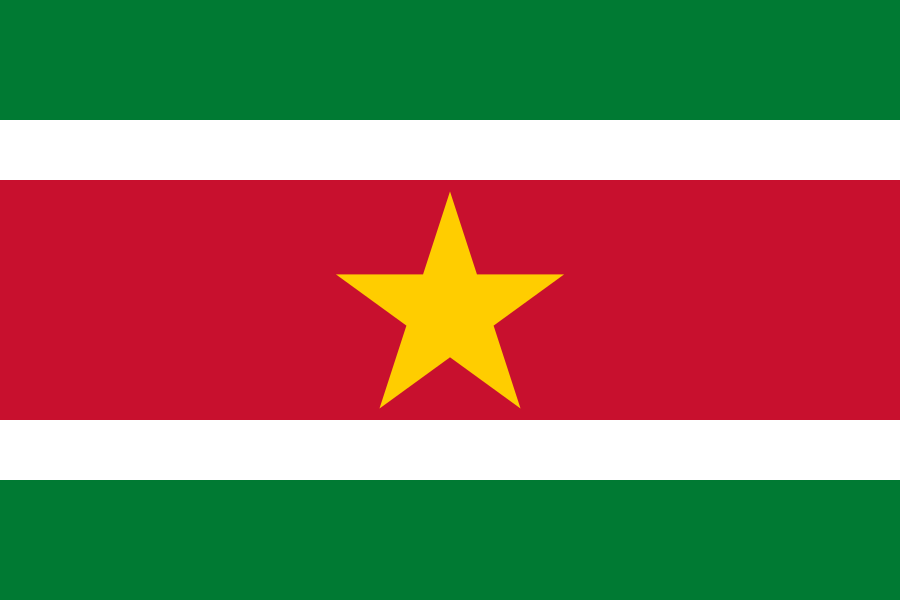
🇸🇷 Travel Guide to Suriname — The Green Heart of South America
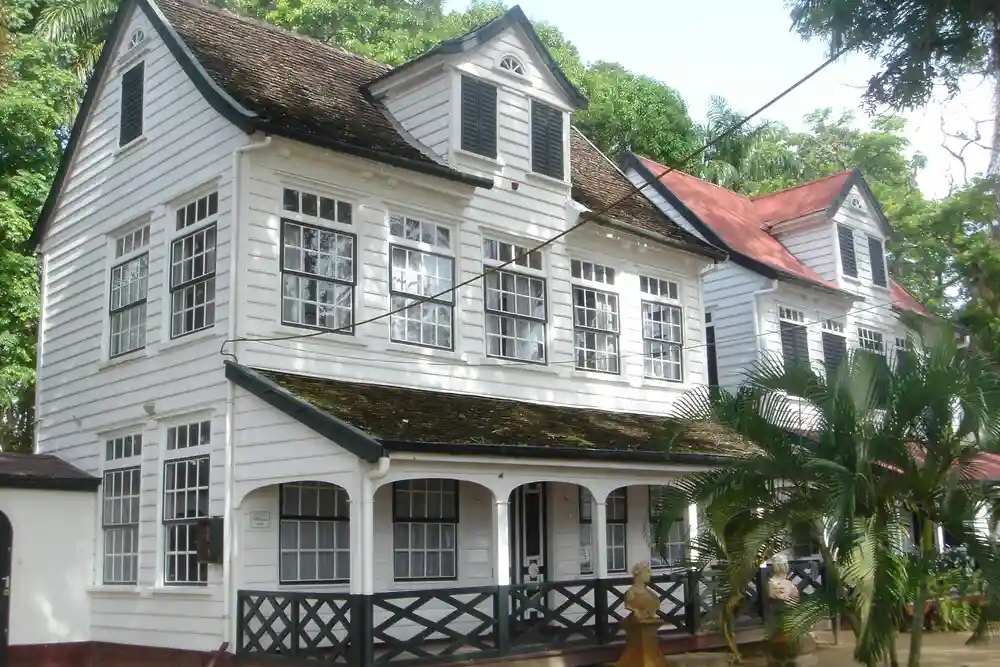
This comprehensive travel guide to Suriname will help you discover one of South America's most underrated and diverse nations. From the UNESCO‑listed colonial streets of Paramaribo to the vast untouched rainforests of the interior, this travel guide to Suriname covers everything you need to plan an unforgettable journey. As the smallest independent country in South America, Suriname offers travellers a remarkable blend of Caribbean, Dutch, Indigenous, African, Javanese, and Hindustani cultures, all wrapped in a lush, green landscape. Whether you're exploring the wooden architecture of the historic city centre, canoeing through the remote villages of the Marowijne River, or birdwatching in the Central Suriname Nature Reserve, this travel guide to Suriname is your essential companion.
⚠️ Important Travel Advisory: Suriname is a safe destination for tourists, but crime and civil unrest have been reported. This travel guide to Suriname is intended for informational and cultural reference purposes. Please check your government's travel advisory and exercise caution before making any plans.
📢 AdSense Leaderboard #1 (728x90 or responsive)
📊 Quick Facts
- Capital: Paramaribo 💡 A UNESCO-listed city with beautifully preserved Dutch colonial architecture
- Currency: Surinamese Dollar (SRD) 💡 1 USD ≈ 36 SRD (check current rates)
- Language: Dutch, Sranan Tongo, English 💡 Dutch is the official language; Sranan Tongo is widely spoken
- Population: ~650,000 (2026 est.)
- Area: 163,820 km²
- Time Zone: UTC -3 (SRT)
📅 Plan Your Perfect Trip with This Travel Guide to Suriname
When planning your travel guide to Suriname, the tropical climate brings warmth year‑round, with temperatures averaging 26–31°C. The best time to visit Suriname is during the long dry season from August to November when rainfall is at its lowest and roads are most passable. The short dry season from February to April is also good. The rainy seasons (April–July and November–January) can make travel to the interior difficult but bring lush, vibrant landscapes. This travel guide to Suriname will help you plan the perfect trip for every season.
Best for: Rainforest exploration, river trips, and cultural festivals — lowest rainfall
Best for: Beach and city exploration — pleasant weather
Best for: Budget travel and lush landscapes — expect heavy showers
Phagwa/Holi (March), Javanese New Year (August), and Keti Koti (July 1 — Emancipation Day)
📢 AdSense Leaderboard #2 (728x90 or responsive)
🛂 Visa Information for Your Travel Guide to Suriname
Visa‑Free Access: Citizens of 20+ countries can enter Suriname without a visa for stays up to 30–90 days, including the UK, US, Canada, Australia, New Zealand, Japan, South Korea, and most European nations. Many other nationalities can obtain an e‑visa online before travel. For a complete travel guide to Suriname, verify your requirements before booking.
🌍 Visa‑Free Countries (Select List)
📋 Other Visa Types
- E‑Visa Available for many nationalities — apply online before travel
- Student Visa For academic study — requires enrolment at a recognised Surinamese institution
- Work Visa For employment — requires a job offer and work permit approval
🔗 Official Resource: Suriname Embassy — Visa Information
📚 Trusted Resources for Your Travel Guide to Suriname
- UNESCO – Historic Inner City of Paramaribo World Heritage listing
- Suriname Tourism Official tourism board of Suriname
- Lonely Planet – Suriname Travel information and attractions
🌍 Explore our other guides: Guyana · French Guiana · Brazil
💡 Key Travel Tips for Your Suriname Adventure
The Surinamese Dollar (SRD) is official — cash is widely used; credit cards are accepted in hotels and larger shops
Try roti, nasi goreng, moksi alesi (mixed rice), pom (taro root casserole), and fresh Surinamese coffee
Domestic flights connect Paramaribo to the interior; river transport is common; hire a 4x4 for jungle trips
Suriname is religiously diverse — respect all cultural and religious traditions, dress modestly in religious sites
Malaria is present in the interior — take prophylaxis, use insect repellent, and sleep under a net
🏙️ Top Cities and Destinations to Visit in Suriname
The UNESCO-listed capital — Fort Zeelandia, St. Peter and Paul Cathedral, and the Waterkant
💡 Best time: Feb–Apr & Aug–NovOne of the world's largest man‑made lakes — fishing, boating, and wildlife watching
💡 Best time: Aug–NovUNESCO-listed rainforest — home to the highest mountain (Juliana Top) and diverse wildlife
💡 Best time: Aug–NovThe indigenous village on the Marowijne River — leatherback turtles nesting (Feb–Jul)
💡 Best time: Feb–Jul (turtle season)A historic town with a colonial fort and a fascinating open‑air museum
💡 Best time: Feb–Apr & Aug–NovThe ruins of an 18th‑century Jewish settlement — a unique cultural heritage site
💡 Best time: Aug–NovA mountain plateau with spectacular views, waterfalls, and abundant birdlife
💡 Best time: Aug–NovBoat trips to the Maroon communities — immerse yourself in traditional culture
💡 Best time: Aug–Nov📢 AdSense Leaderboard #3 (728x90 or responsive)
🏨 Top Hotels in Suriname
Accommodation in Suriname ranges from luxury international hotels in Paramaribo to jungle lodges in the interior. Book in advance during peak seasons.
Paramaribo
Visit Website → 🏨 Suriname's most reputable hotel group — Torarica, Royal Torarica, and Eco Resort⚠️ Please note: Hotel availability and contact details may be affected by the current situation in Suriname. Always verify through official channels or your travel agent.
🎓 Top Universities in Suriname
Paramaribo
Visit Website → 🏆 The only public university in Suriname — ranked #1Paramaribo
Visit Website → 📚 A leading institution for engineering and technologyParamaribo
Visit Website → 📚 Offers vocational and applied science programmesParamaribo
Visit Website → 📚 Private higher education institution🌺 Culture & Cuisine in Suriname
Suriname's culture is one of the most diverse in the Americas, shaped by its history as a Dutch colony and its vibrant mix of Indigenous, African, Indian, Javanese, Chinese, and European communities. The official language is Dutch, but Sranan Tongo (a Creole language) is widely spoken as a lingua franca, along with Hindi, Javanese, and Chinese. The country is religiously diverse, with Hinduism, Islam, Christianity, and Indigenous beliefs coexisting peacefully. The cultural calendar is rich with festivals, including Phagwa (Holi), Eid al‑Fitr, Keti Koti (Emancipation Day, July 1), and Javanese New Year.
Surinamese cuisine is a delicious reflection of its diverse population. Roti (with chicken, potatoes, and vegetables) is a national favourite. Nasi goreng and bami goreng reflect the Javanese influence. Moksi alesi is a rice dish with meat, shrimp, beans, and salted fish. Pom is a casserole made from taro root, chicken, and citrus juice. Fresh tropical fruits, such as pomme‑ci, maraca, and papaya, are abundant. Street food is excellent — try bara (fried split pea snack) and saoto soup.
Dress codes are generally casual, but modest attire is appreciated when visiting temples, mosques, and religious sites. The Surinamese are known for their warmth and friendliness, and you'll often be greeted with a smile. Tipping is not obligatory but is appreciated for good service.
🇸🇷 Ready to explore Suriname?
Start planning your South American adventure with our expert guides and resources.
Read Our Full Travel Guide →This travel guide to Suriname is your ultimate resource for planning an unforgettable trip to the Green Heart of South America. Start your adventure today with our expert tips, insider recommendations, and practical advice.