
🇲🇷 Travel Guide to Mauritania — Sahara's Ancient Caravan Kingdom
This comprehensive travel guide to Mauritania will help you navigate one of West Africa's most spellbinding, raw, and historically rich Saharan destinations. From the bustling Atlantic coastal capital of Nouakchott and its vibrant Port de Pêche fish markets to the ancient UNESCO-listed holy manuscript towns of Chinguetti & Ouadane, the vast coastal bird paradise of Banc d'Arguin National Park, and the world-famous Mauritania Sahara Iron Ore Train, this travel guide to Mauritania covers everything you need. Situated where the Arab Maghreb meets sub-Saharan West Africa, Mauritania offers visitors an unfiltered taste of traditional Moorish hospitality, centuries-old Islamic scholarship, sweeping sand seas in the Adrar region, and dramatic desert geological wonders like the mysterious Richat Structure (Eye of the Sahara). Whether trekking through desert oases, riding open hopper cars across the desert, or exploring coastal reserves, this travel guide to Mauritania is your ultimate resource.
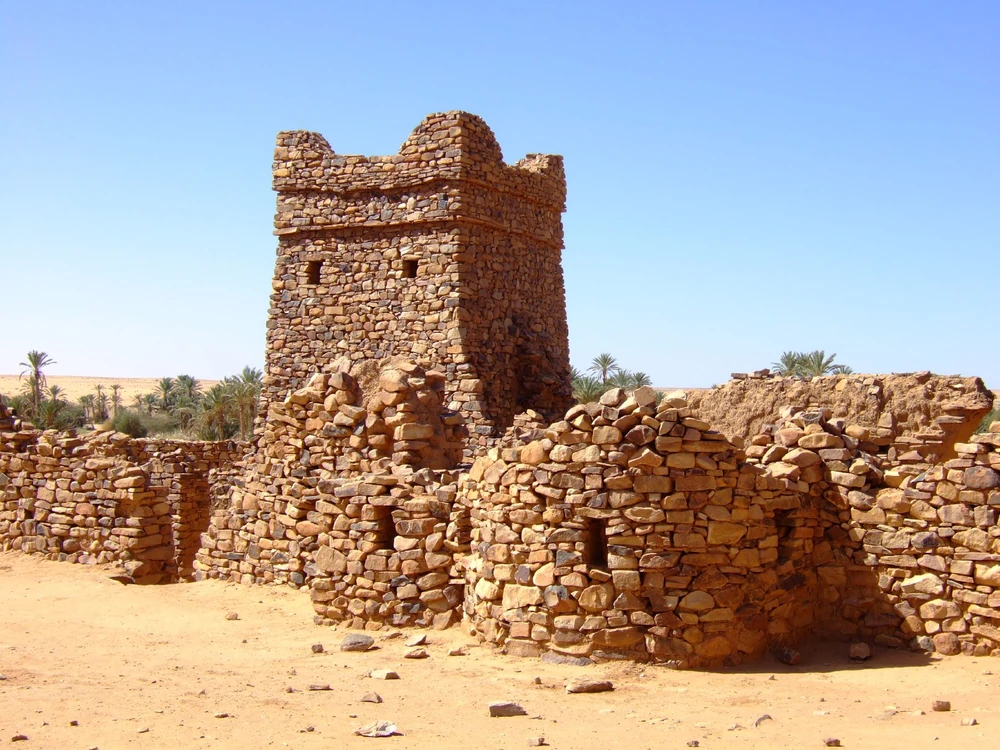
Mauritania is home to Chinguetti—the Seventh Holy City of Islam—known worldwide for its medieval mud-brick libraries guarding centuries-old illuminated Quranic manuscripts.
🏜️ Saharan Logistics Note: Desert expeditions in the Adrar plateau (Chinguetti, Ouadane, Terjit) require a sturdy 4x4 vehicle with an experienced local driver-guide. Always carry sufficient drinking water and secure necessary travel permits for interior routes.
📢 AdSense Leaderboard #1 (728x90 or responsive)
📊 Quick Facts
- Capital: Nouakchott 💡 Located on the West African Atlantic coastline
- Currency: Mauritanian Ouguiya (MRU) 💡 Cash economy; carry MRU, Euros, or USD
- Language: Arabic (Official), Hassaniya, French 💡 French is fluently used across commerce & administration
- Population: ~4.9 million (2026 est.)
- Area: 1,030,000 km²
- Time Zone: UTC +0 (GMT)
📅 Plan Your Perfect Trip with This Travel Guide to Mauritania
When consulting your travel guide to Mauritania, timing is everything due to extreme Saharan temperatures. Mauritania experiences a warm desert climate year-round. The cool dry season from November to March is the prime period to travel, offering pleasant daytime temperatures (20°C–28°C / 68°F–82°F) and cool desert nights—ideal for Adrar trekking, visiting Chinguetti libraries, and desert camping under starry skies. The summer months (May to September) bring scorching desert heat often exceeding 42°C (108°F), along with dry dust winds (Harmattan). The coastal towns of Nouakchott and Nouadhibou enjoy milder Atlantic ocean breezes throughout the year. Use this travel guide to Mauritania to schedule your travel during the cooler months.
Best for: Adrar desert 4x4 safaris, Chinguetti libraries, iron ore train rides, and birdwatching in Banc d'Arguin
Best for: Coastal stays in Nouakchott or Nouadhibou — interior Saharan regions experience intense heat
Festival of Ancient Cities (Chinguetti/Ouadane/Tichitt) · Nomad cultural gatherings
National celebration commemorating independence declared in 1960 — military parades and cultural shows
📢 AdSense Leaderboard #2 (728x90 or responsive)
🛂 Visa Information for Your Travel Guide to Mauritania
Visa on Arrival & Pre-Registration: Mauritania offers an efficient Visa on Arrival service for foreign tourists arriving at Nouakchott–Oumtounsy International Airport (NKC) and major land borders (such as the PK55 border crossing with Western Sahara/Morocco). The biometric tourist visa costs approximately €55 / $60 USD and is issued quickly upon arrival. Travelers must register online prior to boarding using the official electronic entry declaration. Passports must be valid for at least 6 months past arrival, and an international certificate of Yellow Fever vaccination is required. Review this travel guide to Mauritania for essential pre-trip rules.
📋 Entry Requirements
- Visa on Arrival (€55 / $60) Biometric entry visa issued upon arrival at airport or land borders
- Passport Validity Must be valid for at least 6 months with 1 blank visa page
- Yellow Fever Vaccination Mandatory yellow card vaccination certificate required upon entry
- Travel Copies & Permits Carry multiple printed passport copies (Fiche) for interior police checkpoints
🔗 Official Resources: UNESCO World Heritage Mauritania · Nouakchott City Overview
📚 Trusted Resources for Your Travel Guide to Mauritania
- UNESCO — Mauritania World Heritage Chinguetti, Ouadane, Tichitt, Oualata & Banc d'Arguin
- Lonely Planet — Mauritania Desert itineraries, iron ore train guides, and culture
- Mauritania Railway Guide Route information for Zouérat to Nouadhibou iron ore train
🌍 Explore our other West African guides: Morocco · Senegal · Mali
💡 Key Travel Tips for Your Mauritania Adventure
The Mauritanian Ouguiya (MRU) is standard — carry paper cash (Euros/USD); credit cards are rarely accepted outside top hotels
Savor Thieboudienne (spiced fish and rice), grilled camel meat, and sweet foam-topped mint tea served in three traditional rounds
Print 15–20 copies of your passport data page ("Fiche") to hand to security officers at road checkpoints outside cities
If riding the open iron ore train wagon from Choum to Nouadhibou, bring goggles, ski mask, sleeping bag, and warm clothes
Dress conservatively (cover shoulders and knees); alcohol is legally prohibited and unavailable throughout Mauritania
Drink strictly sealed bottled water and carry a traditional cheche turban cloth to protect your face against desert wind and dust
🏔️ Top Cities and Destinations to Visit in Mauritania
Ancient UNESCO Holy Cities — 13th-century dry-stone libraries, ancient illuminated manuscripts, and golden dunes
💡 Best time: Nov–MarCapital city — Port de Pêche colorfully painted pirogues, Saudi Mosque, National Museum, and craft markets
💡 Best time: Year-roundUNESCO coastal wetland preserve — millions of migratory pelicans, flamingos, and traditional Imraguen sailboat tours
💡 Best time: Nov–AprWorld's longest freight train (2.5km long) — bucket-list open hopper car desert transit through Saharan landscapes
💡 Best time: Nov–MarLush Saharan canyon oasis — natural freshwater spring pools, date palm canopy, and Adrar plateau hiking
💡 Best time: Nov–MarGeological phenomenon in Ouadane — 40km wide concentric ring formation visible from space
💡 Best time: Nov–MarNorthern economic coastal city — Cap Blanc Mediterranean monk seal sanctuary and historical ship graveyard
💡 Best time: Year-roundRemote eastern UNESCO Saharan towns famous for intricately painted mudbrick wall frescoes and Islamic scholar heritage
💡 Best time: Dec–Feb📢 AdSense Leaderboard #3 (728x90 or responsive)
🏨 Top Hotels in Mauritania
Hotels in Mauritania offer modern international accommodations in Nouakchott alongside traditional Saharan desert guesthouses (Auberges) across Adrar.
Nouakchott City Center
Visit Website → 🏨 Premier 4-star international hotel with outdoor swimming poolTevragh-Zeina, Nouakchott
Visit Website → 🏊 Modern hotel featuring garden dining and executive amenitiesNouakchott
Contact directly 🏨 Full-service resort featuring spa, Turkish bath & diningNouakchott Center
Contact directly 🏨 Popular business hotel located close to government ministriesTevragh-Zeina, Nouakchott
Contact directly 🏬 Central boutique hotel with rooftop terrace and restaurantChinguetti Old Town
Contact directly 🕌 Authentic traditional Saharan stone guesthouse near old librariesTerjit Oasis, Adrar
Contact directly 🌴 Eco-lodge offering traditional Bedouin tents under palm grove canopyNouadhibou
Contact directly ⚓ Comfortable coastal hotel for travelers on the iron ore railway route⚠️ Please note: Outside Nouakchott, accommodations consist primarily of authentic Saharan guesthouses (Auberges) and desert campsites. Cash payment is required.
🎓 Top Universities in Mauritania
Nouakchott
Visit Website → 🏆 Mauritania's flagship public national university systemNouakchott
Visit Website → 📚 Prominent private university offering business, engineering & pharmacyNouakchott
Contact directly 🏛️ Prestigious state institute training civil servants, judges & journalistsNouakchott
Contact directly 📜 Renowned center for Islamic jurisprudence, Arabic literature & theology📘 Higher education in Mauritania emphasizes Islamic jurisprudence, medicine, science, and public administration.
🌺 Culture & Cuisine in Mauritania
Mauritania's rich cultural heritage is defined by nomadic Moorish traditions, ancient Saharan scholarship, and West African riverine customs. The traditional garment worn by men is the Daraa (a flowing blue or white wide-sleeved robe tailored for desert climate), while women wear colorful draped Mlahfa veils. In historic trade stops like Chinguetti and Ouadane, family guardians maintain ancient stone libraries preserving hand-bound manuscript texts on law, astronomy, and poetry that date back to the 12th century.
Mauritania is home to UNESCO World Heritage sites including the Ancient Ksour of Ouadane, Chinguetti, Tichitt, and Oualata, as well as Banc d'Arguin National Park—one of Earth's greatest migratory bird sanctuaries.
Mauritanian cuisine combines fresh Atlantic seafood with hearty desert grains and camel meat dishes. The national dish is Thieboudienne (known locally as Chebbjin—spiced fish cooked with rice, cassava, and vegetables). Other staples include Mechoui (whole-roasted spiced lamb), grilled camel steaks served with couscous, and fresh dates from the Adrar oases. Hospitality centers around the traditional Ataya tea ceremony, where green mint tea is poured from high above into small glasses to form three distinct bittersweet rounds of foam.
Hassaniya Arabic and French are widely spoken. Greetings like "Salam Alaikum" (Peace be upon you) followed by asking about family well-being express essential desert respect and warmth.
🇲🇷 Ready to explore Mauritania?
Start planning your Saharan caravan journey to Mauritania with our expert travel resources.
Read Our Full Travel Guide →This travel guide to Mauritania is your ultimate resource for planning an unforgettable Saharan adventure across ancient cities and desert landscapes. Start your expedition today!