

🇩🇯 Travel Guide to Djibouti — Alien Rift Landscapes, Salt Lakes & Red Sea Marine Safaris
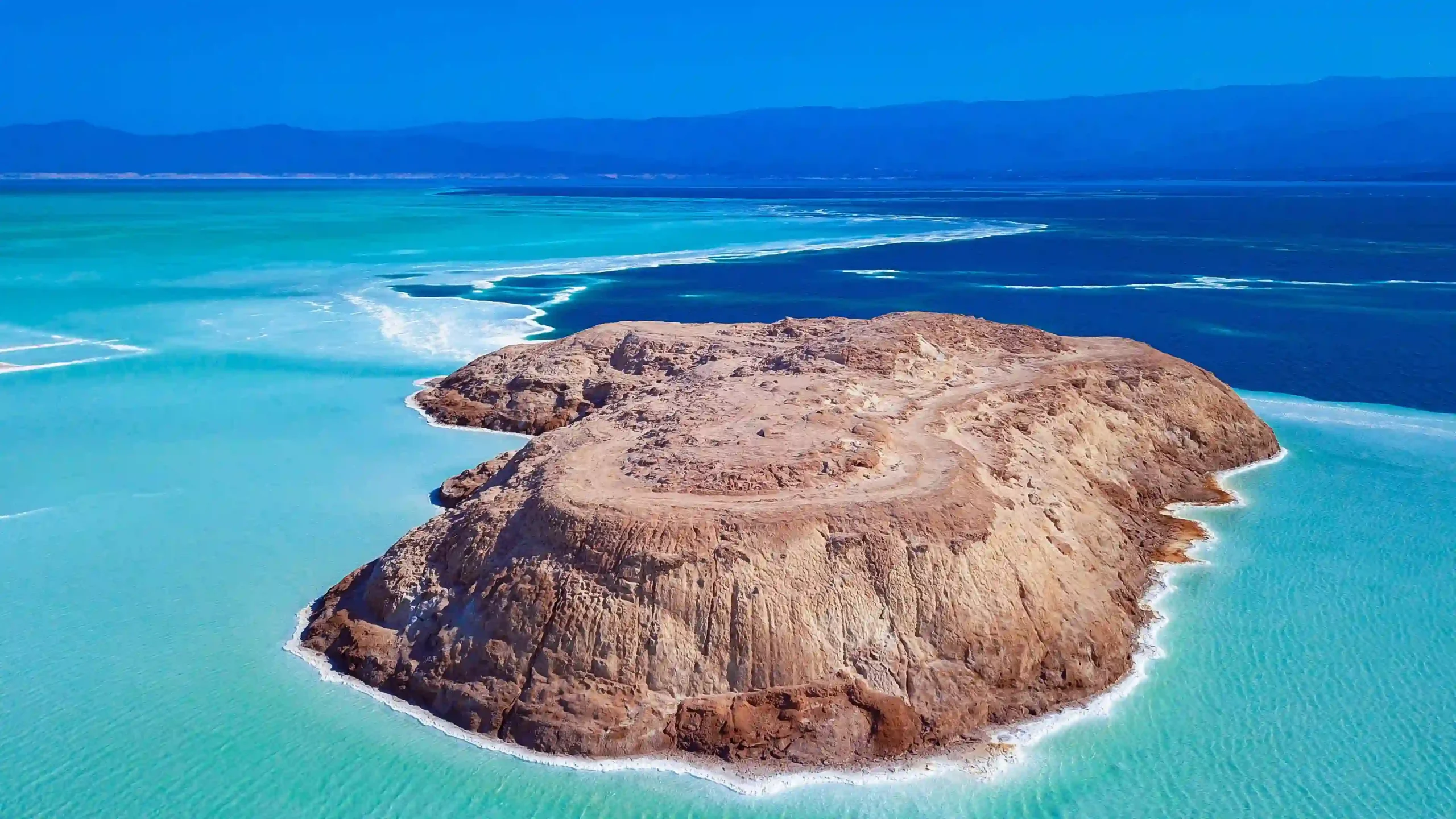
This comprehensive travel guide to Djibouti welcomes you to one of Africa's most extraordinary natural crossroads—where three tectonic plates tear apart at the Great Rift Valley, creating surreal geothermal ecosystems, hyper-saline lakes, and pristine Red Sea coral reefs. From the lowest point in Africa at Lake Assal (-155m) with its brilliant turquoise waters and blinding white salt flats to the limestone steam chimneys of Lake Abbe, the whale shark nurseries in the Gulf of Tadjoura, and the bustling capital of Djibouti City, this travel guide to Djibouti covers all entry requirements, travel permits, and regional itineraries. Whether swimming alongside giant whale sharks, trekking through Day Forest National Park, or enjoying French-Afar fusion dining, this travel guide to Djibouti is your essential resource.
Djibouti features Africa's lowest point (Lake Assal), the lunar landscapes featured in Planet of the Apes (Lake Abbe), world-renowned seasonal whale shark aggregations, and strategic maritime views across the Bab-el-Mandeb strait.
🛂 Official eVisa System: International tourists must secure an official online tourist eVisa prior to travel via the government portal. Passports must have at least 6 months validity from intended departure, and proof of onward travel and hotel reservation is required.
📢 AdSense Leaderboard #1 (728x90 or responsive)
📊 Quick Facts
- Capital: Djibouti City 💡 Historic coastal port featuring French colonial architecture and vibrant Moorish markets
- Currency: Djiboutian Franc (DJF) 💡 Fixed exchange rate to USD (~177.7 DJF per 1 USD); cash accepted widely
- Language: French & Arabic (Official) 💡 Somali and Afar are widely spoken native mother tongues
- Population: ~1.1 million (2026 est.)
- Land Area: 23,200 km²
- Time Zone: UTC +3 (EAT year-round)
📅 Plan Your Visit with This Travel Guide to Djibouti
When using your travel guide to Djibouti, choosing the right travel season is vital for comfortable desert exploration, whale shark encounters, and clear sea diving. Djibouti experiences an arid desert climate with two primary seasons. The cooler winter season (November to April) is universally recognized as the best time to visit—offering daily temperatures between 25°C and 30°C, clear desert skies, comfortable hiking weather, and peak whale shark swimming conditions in the Gulf of Tadjoura. The extreme summer season (May to September) brings intense desert heat exceeding 40°C–45°C and hot dry winds (*Khamsin*). Plan using this travel guide to Djibouti.
Best for: Lake Assal tours, Lake Abbe chimney walks, desert camping, and comfortable weather
Juvenile whale sharks gather in large numbers close to shore in Arta Bay for plankton feeding
Pristine marine visibility around Mucha Island, Seven Brothers Archipelago, and Gulf of Tadjoura
National holiday commemorating 1977 independence from France with military parades and cultural celebrations
📢 AdSense Leaderboard #2 (728x90 or responsive)
🛂 Visa & Entry Regulations for Your Travel Guide to Djibouti
eVisa System & Border Control: Entering Djibouti is simple and electronic. All foreign tourists must secure an official **eVisa online** prior to departure via the government portal. Processing typically takes 3 to 5 business days. Passports must have at least 6 months validity beyond the departure date and contain at least 2 blank pages. All international flights arrive via Djibouti-Ambouli International Airport (JIB), located 6 km from downtown Djibouti City. A valid Yellow Fever vaccination certificate is mandatory if arriving from endemic countries. Review this travel guide to Djibouti before departure.
📋 Entry Requirements Checklist
- Official Tourist eVisa Apply online prior to travel; valid for 14-day or 90-day single entry
- Passport Validity Must be valid for at least 6 months from entry date with 2+ blank visa pages
- 4x4 Vehicle Travel Requirement Overland excursions to Lake Abbe and Day Forest require an experienced driver & 4WD vehicle
- Cash Foreign Currency (USD / EUR) US Dollars and Euros are easily exchanged at official banks and exchange bureaus
🔗 Official Resources: National Tourism Office of Djibouti · Official Djibouti eVisa Portal
📚 Trusted Official Resources for Your Travel Guide to Djibouti
- National Tourism Office of Djibouti Official destination portal for excursion permits, eco-lodges, and whale shark tour operators
- Official Djibouti eVisa Portal Official Ministry of Foreign Affairs application portal for international tourist visas
- Lonely Planet — Djibouti Guide Independent Horn of Africa travel advice, diving trip planners, and safety tips
🌍 Explore neighboring Horn of Africa & East African destinations: Ethiopia · Eritrea · Kenya
💡 Key Travel Tips for Visiting Djibouti
Book a boat snorkeling tour from November to January to swim alongside gentle juvenile whale sharks in calm waters
Sample Djiboutian cuisine delicacies: Mukbasa (spiced grilled fish with honey and banana bread), Fah-fah beef soup, and French baguettes
Credit cards are accepted at major Djibouti City hotels; carry cash in DJF or USD for desert excursions
Stay in woven *toukoul* huts to witness sunrise steaming fumaroles and flamingos feeding along the mudflats
Polite greetings like "Bonjour", "Salam Alaikum", and "Merci" will bring warm smiles everywhere
Djibouti uses European Type C and Type E electrical outlets operating at 220V / 50Hz
🏛️ Top Destinations & Attractions to Visit in Djibouti
Surreal saline crater lake (-155m below sea level) — turquoise waters, thick salt crust beaches, and black volcanic lava fields
💡 Best time: Nov–AprAlien landscape — hundreds of natural limestone steam vents, bubbling hot springs, pink flamingos, and cinematic sunrises
💡 Best time: Nov–AprPremier marine destination — world-famous snorkeling spot in Arta Bay for swimming alongside juvenile whale sharks
💡 Best time: Nov–JanCoral islands in the Gulf of Tadjoura — white sand beaches, crystal turquoise lagoons, scuba diving, and mangrove kayaking
💡 Best time: Oct–MayCool mountain oasis in the Goda Mountains (1,500m elevation) — ancient juniper forests, endemic Djibouti francolin birds, and hiking trails
💡 Best time: Nov–AprHistoric coastal towns — whitewashed coral buildings, traditional mosques, palm-lined beaches, and peaceful seaside atmosphere
💡 Best time: Nov–AprVast dried clay desert plain — famous for land-sailing (sand yachting), desert rallies, and endless horizon mirages
💡 Best time: Nov–AprUninhabited volcanic islands — world-class liveaboard scuba diving, pelagic fish species, grey reef sharks, and pristine corals
💡 Best time: Oct–May📢 AdSense Leaderboard #3 (728x90 or responsive)
🏨 Top Luxury Hotels & Coastal Resorts in Djibouti
Djibouti offers premier international 5-star seaside resorts alongside comfortable city business hotels.
Ilot du Heron, Djibouti City
Visit Website → 🏆 Flagship 5-star luxury seaside resort featuring infinity pools, private beach, luxury spa, and fine international diningPlateau du Serpent, Djibouti City
Visit Website → ⭐ Modernized 5-star oceanfront hotel situated on a peninsula overlooking the Red Sea with private beach accessHeron District, Djibouti City
Visit Website → 👑 Contemporary international business hotel featuring comfortable rooms, outdoor pool, and walking access to restaurantsWhite Sands Beach, Tadjoura
Visit Website → 🌿 Premier coastal eco-resort situated on a white sand bay near Tadjoura, offering seaside bungalows and snorkelingHeron Quarter, Djibouti City
Visit Website → ✨ Chaming beachfront hotel with a private swimming pool, garden terrace, and seafood restaurantBoulevard Teimour, Djibouti City
Visit Website → 🏙️ Highly rated city-center hotel offering modern amenities, airport shuttle service, and central market access⚠️ Note: Booking Djibouti City resorts and whale shark tour packages 2 to 4 months in advance for peak winter season (November–February) is highly recommended.
🎓 Major Academic Institutions in Djibouti
Balbala Campus, Djibouti City
Visit Website → 🏆 Djibouti's premier national public university, founded in 2006, leading in medicine, logistics, law, engineering, and environmental researchDjibouti City
Visit Website → ⚙️ National scientific institute dedicated to geosciences, medicinal plants, renewable energy, and Red Sea marine ecosystems📘 Higher education in Djibouti is administered by the Ministry of Higher Education and Research (MENSUR).
🌺 Culture & Culinary Heritage of Djibouti
Djibouti's culture is a rich tapestry born from centuries of nomadic trading heritage between Afar and Somali ethnic communities, enriched by French colonial history and Arab maritime influences across the Red Sea. Hospitality is deeply embedded in local social life. Traditional music combines pastoral poetry with instruments like the **tanbura** lyre and oud, showcased during vibrant wedding celebrations and national festivals.
Djibouti is home to singular geological wonders, protecting delicate desert ecosystems at Lake Assal (-155m below sea level) and the sacred juniper cloud forests of Day Forest National Park.
Djiboutian cuisine is a delicious fusion of French culinary technique, aromatic Yemeni spices, and Somali pastoral staples. The national specialty is Mukbasa—fresh Red Sea fish (like red snapper or kingfish) marinated in berbere spices, baked in a traditional clay oven, and served alongside mashed bananas, honey, and warm flatbread (*Lahooh*). Enjoy **Fah-fah** (a slow-cooked aromatic beef and vegetable soup), spicy lamb samosas (*Sambusa*), crispy French baguettes, and sweet spiced cardamon tea (*Shaah*).
French and Arabic are official languages. Friendly greetings like "Bonjour" or "Salam Alaikum" bring immediate warm smiles everywhere you travel.
🇩🇯 Ready to explore Djibouti?
Start planning your Lake Assal expedition, whale shark safari, and Lake Abbe chimney trek with our expert travel resources.
Read Our Full Travel Guide →This travel guide to Djibouti is your ultimate reference for exploring the Horn of Africa's geological wonder. Start planning today!